


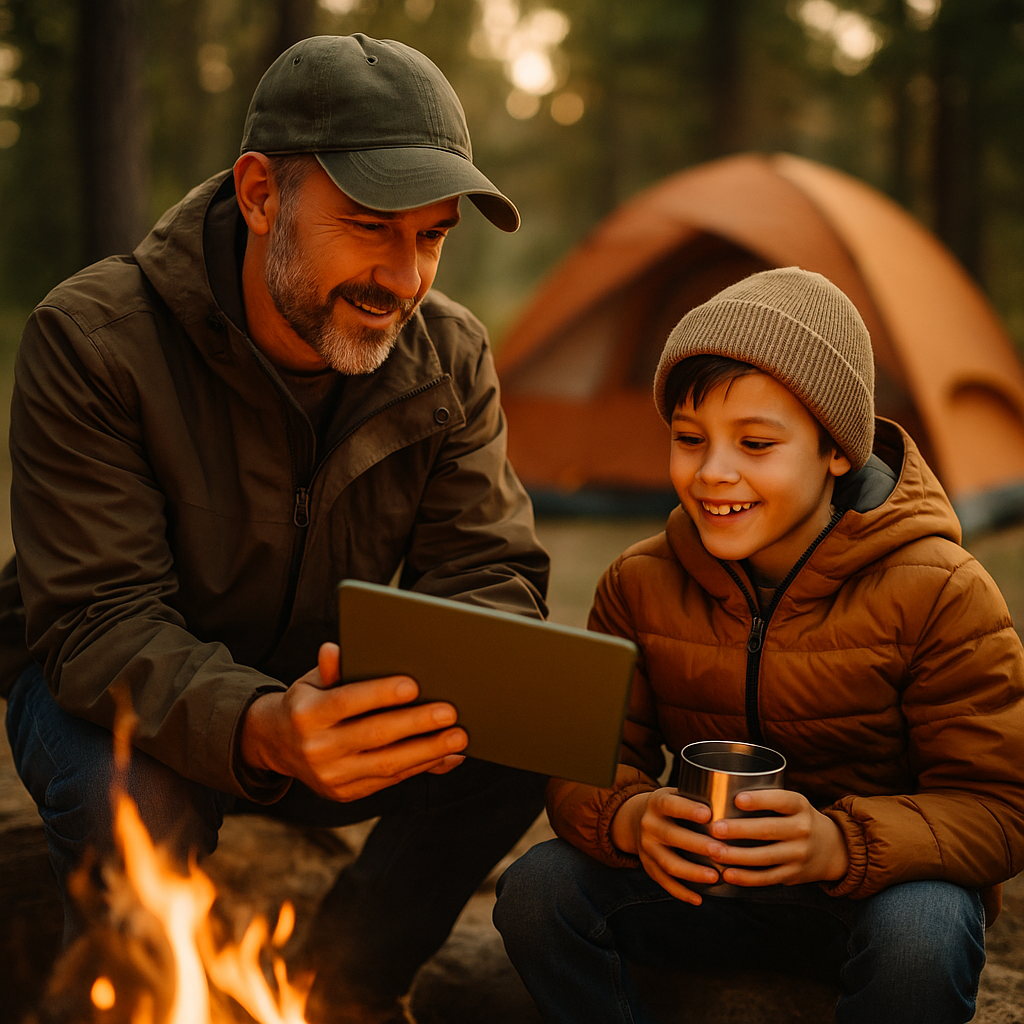
In 2025, legacy brands face a hard truth: younger audiences don’t inherit loyalty; they choose it. This case study: how a legacy outdoor brand successfully targeted Gen Alpha breaks down the strategy behind a measurable turnaround, from product design to platform choices and parent trust. You’ll see what changed, what stayed true, and why the playbook works when attention is scarce—ready to steal the blueprint?
Gen Alpha marketing insights: define the audience beyond age
Gen Alpha is not “older Gen Z.” They are growing up with short-form video as a default language, voice search as normal, and community validation as a purchase signal. But they rarely control the wallet alone, which makes them different from teen segments that can buy independently. Successful Gen Alpha work treats the audience as a triangle: kids (desire), parents (permission), and peers (social proof).
The legacy outdoor brand in this case study started with a disciplined reset: it stopped segmenting purely by demographics and built behavioral segments tied to context. The team used three primary cohorts:
- Backyard explorers: kids who engage with nature near home (parks, schoolyards), often in urban/suburban settings.
- Weekend trail families: parent-led outdoor time; buying decisions prioritize safety, durability, and value.
- Skill builders: kids in camps, scouting-style programs, or sports where gear “signals” competence.
That segmentation unlocked clearer creative and product decisions. Instead of saying “Gen Alpha likes fun,” the brand asked: What problem are we solving for the child, and what risk are we removing for the parent? It also clarified channel strategy: kids discovered through creator content; parents verified through reviews, retailer pages, and safety details.
To align with Google’s helpful content and EEAT principles, the brand documented assumptions, defined how success would be measured, and put real-world testing ahead of trend-chasing. That set the foundation for what followed.
Brand repositioning strategy: modernize without abandoning heritage
The brand’s core challenge wasn’t awareness; it was relevance. Parents knew the name, but kids didn’t care. The repositioning avoided a full rebrand (which often confuses loyal customers) and focused on a sharper promise: “Outdoor confidence for first adventures.”
Three positioning choices made the shift stick:
- Keep the heritage signals that reassure parents: warranties, repair options, materials, and clear safety documentation remained prominent.
- Translate heritage into kid language: product pages and packaging included “what you can do with it” in simple, action-led statements, not technical jargon.
- Build a consistent identity system: colors and icons were standardized across social, retail packaging, and in-store signage so kids could recognize the brand instantly.
Crucially, the brand didn’t pretend to be a youth streetwear label. Instead, it leaned into what it could authentically own: experience with rugged conditions and real outdoor use. That authenticity mattered because parents can spot empty hype, and kids are quick to dismiss anything that feels like a forced “hello fellow kids” performance.
Follow-up question most teams ask: Does heritage limit creativity? In this case, no. Heritage became a credibility engine—so the brand could take bolder creative swings in content while maintaining trust in purchase moments.
Outdoor brand social strategy: win attention where Gen Alpha actually spends it
The brand shifted from polished, product-centric posts to a “playable outdoors” content system designed for short-form platforms. The goal was simple: earn repeat attention rather than chase one viral hit.
The new social strategy had four pillars:
- Mini challenges: 15–25 second prompts kids could try anywhere (e.g., “3 textures scavenger hunt,” “shadow trail,” “silent step challenge”). These were designed to be safe and parent-approved.
- Creator partnerships with boundaries: the brand worked with family and kid-safe creators and required clear disclosure, age-appropriate language, and no risky stunts.
- Duet/stitch-friendly templates: simple formats that encouraged remixing without needing expensive production.
- “Parent confirm” clips: short videos that answered practical questions parents ask (fit, cleaning, durability, return policy) in plain language.
Instead of treating parents as an afterthought, the brand built parallel content streams: kid-first discovery content and parent-first validation content. That reduced drop-off between “my kid wants it” and “I’m willing to buy it.”
To keep execution consistent, the team created a weekly cadence with repeatable series (not one-off concepts). They also used a lightweight testing system: every week, they tested two hooks, two captions, and two call-to-actions, then rolled winners into the next cycle.
Another common follow-up: What about paid social? Paid was used primarily to scale proven organic concepts and to retarget parents who had visited product pages after watching kid-focused content. The brand avoided over-targeting kids directly and prioritized compliance and reputation protection.
Kid-friendly product design: build for independence and parent trust
Marketing did not carry the turnaround alone. The product team made changes that were small in manufacturing complexity but large in perceived value for both kids and parents.
They redesigned several best-selling items using a kid-centered lens:
- Easy-on features: closures and adjusters that kids could use without help, reducing frustration and increasing pride of ownership.
- Comfort-first fit: fewer pinch points, softer contact surfaces, and clearer sizing guidance to reduce returns.
- Modular personalization: patches, tags, and color accents that let kids “make it theirs” without compromising durability.
- Practical durability cues: reinforced high-wear zones paired with transparent explanations of why they matter.
The brand also improved packaging to function as a quick-start guide. A parent could scan the box in 10 seconds and understand safety notes, care instructions, and what makes the item different. That reduced decision fatigue, especially in-store.
EEAT showed up here through clear evidence: the brand published easy-to-find material specs, care guidance, and warranty terms, and it trained customer support with a standardized “family gear” script. That consistency reduced negative reviews driven by confusion rather than product failure.
Key question: How do you design for Gen Alpha without making “kids versions” that feel cheap? This brand kept the same performance standards as its adult line, then adjusted usability and aesthetics. Parents interpreted that as respect, and kids felt they were getting “real gear,” not a toy.
Parent and child purchase journey: reduce friction from discovery to checkout
Gen Alpha influence often starts with a clip, a friend, or a school activity. The sale closes when a parent feels confident the purchase is safe, worth it, and easy to manage. The brand mapped the journey across five moments and fixed the friction in each:
- Discovery: kid-facing content showed the product in action within everyday settings, not remote, elite adventures.
- Consideration: landing pages answered the top parent questions immediately (sizing, safety notes, washing, warranty) before lifestyle copy.
- Validation: the brand upgraded reviews by prompting buyers to mention age, height, and use case, making reviews more useful.
- Purchase: checkout reduced steps, added clearer shipping/returns, and offered “buy now for next weekend” delivery messaging.
- Post-purchase: email and SMS focused on setup tips and care, plus a simple “first adventure checklist” that encouraged use (and reduced returns).
Retail also mattered. The brand added shelf tags with kid-friendly icons and parent-friendly proof points. Sales associates received a short training card: two kid benefits to say out loud and two parent reassurances to cover quickly.
Because the audience includes children, the brand treated trust as a product feature. It avoided dark patterns, kept privacy policies easy to locate, and minimized data collection. That protected the brand long-term and made parents more willing to engage.
Influencer marketing for kids: safe partnerships and measurable outcomes
The brand’s influencer approach prioritized credibility and safety over follower counts. It built a roster of family creators, outdoor educators, and youth activity leaders who already spoke to parents and kids in a balanced way.
Partnership design followed three rules:
- Show, don’t claim: creators demonstrated real use (packing, cleaning, adjusting fit) rather than making exaggerated performance statements.
- Contextual honesty: every post included who the product is for, what it’s best at, and what it’s not for.
- Measured impact: each creator had a unique landing page, and the brand tracked assisted conversions, not just last-click sales.
To tighten measurement, the brand aligned influencer content with search intent and retailer behavior. When a creator posted a “first camping checklist,” the brand ran matching on-site content and ensured retailer pages were updated with the same terminology. That improved continuity between social discovery and search-based validation.
Results were evaluated in a way leadership could trust: changes in branded search, product page conversion rate, return rate, review quality, and repeat purchase. The brand treated influencer marketing as a product education channel, not only an awareness tool.
If you’re wondering whether this works without huge budgets: yes, when the content system is repeatable and the purchase journey is frictionless. The biggest waste is paying for attention that can’t convert because parents can’t verify the product quickly.
FAQs
What makes Gen Alpha different to market to compared with Gen Z?
Gen Alpha has grown up with short-form video from the start and typically needs parent approval to purchase. Marketing must win kid attention while also giving parents fast, trustworthy proof around safety, value, and usability.
Which channels are most effective for a legacy outdoor brand targeting Gen Alpha in 2025?
Short-form video platforms drive discovery, but conversion often depends on search, retailer product pages, reviews, and parent-focused content. A dual-stream approach (kid discovery plus parent validation) performs best.
How do you market to kids ethically?
Use age-appropriate creative, avoid manipulative pressure, keep disclosures clear, minimize data collection, and design content that encourages safe activities. Build trust with parents through transparent product information and policies.
What product changes matter most for Gen Alpha?
Features that support independence (easy-on adjustments), comfort, durability, and personalization. Parents respond to clear warranties and care guidance; kids respond to “I can use it myself” and “it feels like real gear.”
How do you measure success when kids influence but parents buy?
Track assisted conversions, branded search lift, product page conversion rate, review quality, return rate, and repeat purchase. Pair creator links with parent-friendly landing pages to connect influence to outcomes.
Can a heritage brand target Gen Alpha without losing older customers?
Yes. Keep performance standards and heritage proof points for existing buyers, while translating benefits into simpler language and more playful content for younger audiences. The key is consistency in quality and clarity, not chasing trends.
Legacy doesn’t attract Gen Alpha by itself; usefulness does. In this case, the outdoor brand earned relevance by pairing kid-first discovery content with parent-first proof, then backing it with product changes that improved independence, comfort, and durability. The takeaway is practical: design the full triangle—kids, parents, and peers—and remove friction at every step so attention can become trust, and trust can become sales.