


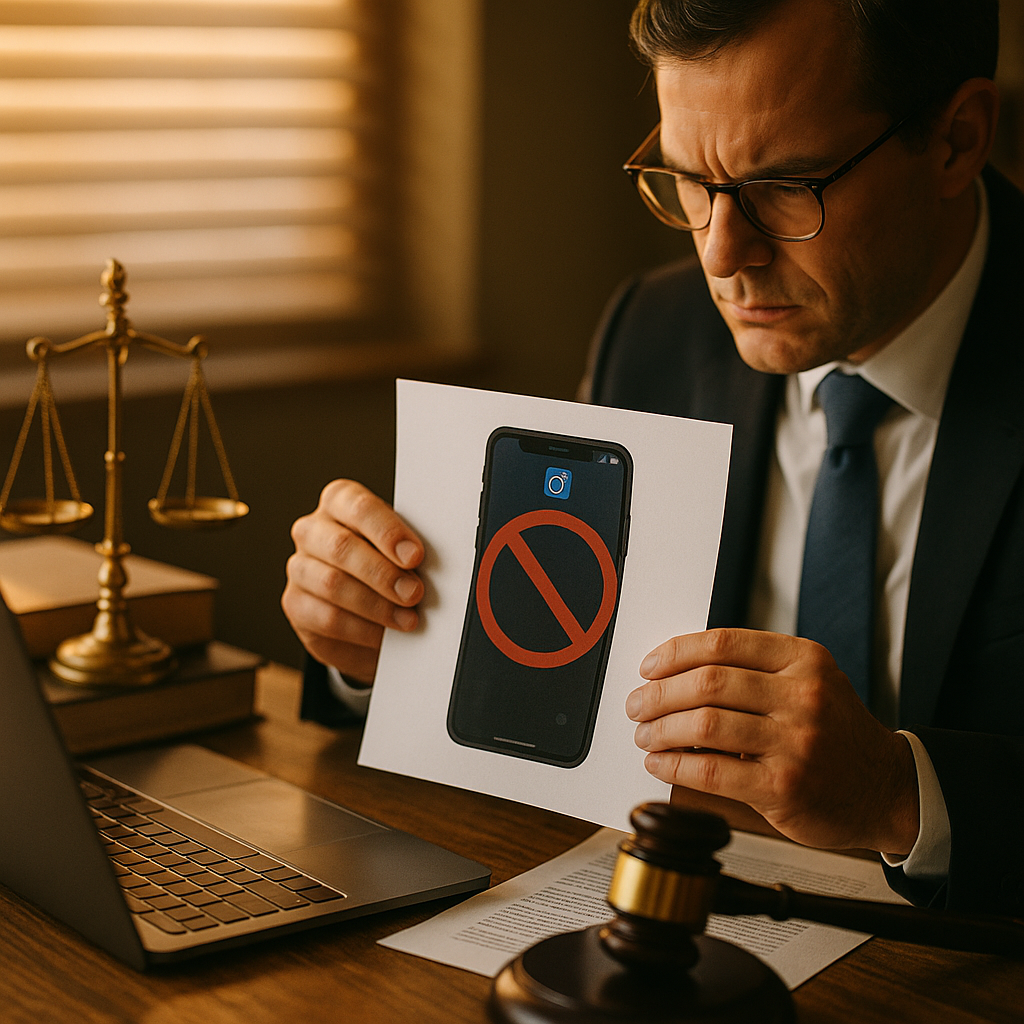
For brands that depend on social reach, legal risks of platform shadow banning for brands now extend far beyond lower engagement. Reduced visibility can damage revenue, trigger contract disputes, raise advertising compliance questions, and complicate platform relationships. In 2026, marketers need more than theories about hidden suppression—they need a practical legal framework. What exactly is at stake when distribution quietly disappears?
Platform shadow banning explained: what brands need to know
Shadow banning is the informal term used when a platform limits the visibility of an account, post, hashtag, or ad without issuing a clear suspension or removal notice. A brand may still publish content, but fewer followers see it, search discoverability drops, hashtags stop indexing, or recommendation systems stop amplifying posts. The result is often measurable business harm without a transparent explanation.
From a legal and operational standpoint, brands should avoid treating shadow banning as a purely emotional or anecdotal complaint. Platforms rarely use the term themselves. Instead, they may refer to ranking adjustments, integrity enforcement, quality filtering, recommendation eligibility, or automated policy actions. That distinction matters because legal rights often turn on the platform’s written terms, moderation disclosures, and appeal procedures.
For in-house counsel and marketing leaders, the first question is not “Were we shadow banned?” but “What exact platform action occurred, and how can we prove it?” Helpful evidence includes:
- Sharp drops in impressions, reach, profile visits, or referral traffic
- Posts failing to appear in hashtag, search, or discovery surfaces
- Differences between follower feed performance and non-follower performance
- Platform notifications referencing integrity, spam, authenticity, or safety review
- Internal records showing no major change in content strategy, posting cadence, or budget
These facts support a more credible assessment and align with EEAT principles: experience, expertise, authoritativeness, and trustworthiness. In practice, brands that document what happened, compare benchmark data, and preserve platform communications are in a much stronger position than brands that rely on screenshots and assumptions.
Brand reputation risk and business harm from reduced visibility
When platform visibility drops without warning, the immediate concern is often marketing performance. The deeper issue is business harm. If a brand relies on social distribution for customer acquisition, investor confidence, partner relationships, or product launches, shadow banning can quickly create reputational and financial consequences.
Consider a brand running a time-sensitive campaign tied to a launch, event, or seasonal promotion. If reach collapses mid-campaign, several legal and commercial risks can follow:
- Lost revenue claims: Lower visibility may reduce conversions, subscriptions, app installs, or ecommerce sales.
- Agency and vendor disputes: Performance-based agreements may become contentious when campaign metrics fall for reasons outside the marketer’s control.
- Influencer contract issues: Sponsored creators may underdeliver against contracted impressions or engagement thresholds.
- Consumer trust concerns: A sudden drop in responses can create the false impression that a brand is inactive or losing relevance.
- Investor or board scrutiny: A decline in digital performance may trigger questions about compliance, content risk, or operational oversight.
Not every visibility decline creates a viable legal claim, but brands should treat unexplained suppression as a material business event when it affects major channels or high-value campaigns. Legal teams should be brought in early if the brand has public reporting obligations, major advertising commitments, or regulated products and services.
Another overlooked issue is reputational asymmetry. If a platform quietly demotes content because of suspected misinformation, unsafe claims, spam signals, or authenticity concerns, outside partners may infer misconduct even when no formal violation was proven. That can affect media coverage, B2B negotiations, affiliate relationships, and creator collaborations. Documentation and a measured response are essential.
Terms of service liability and platform governance issues
Most disputes over shadow banning begin and end with the platform’s terms of service, community guidelines, advertising policies, and creator monetization rules. These documents typically give platforms broad discretion to rank, demote, restrict, or remove content in order to protect user experience, safety, or system integrity. That discretion is often the platform’s strongest defense.
For brands, this creates a central legal tension. On one hand, platforms present themselves as key business channels and often encourage investment in followers, paid amplification, storefront features, and creator ecosystems. On the other hand, the same platforms generally reserve the right to alter distribution at any time, including through automated enforcement systems. That can leave brands exposed if they overestimate their rights.
Key clauses to review include:
- Language allowing content ranking or demotion based on quality or integrity signals
- Disclaimers stating the platform does not guarantee reach, engagement, or uninterrupted service
- Arbitration and forum selection provisions limiting where disputes can be brought
- Appeal procedures and deadlines for content or account restrictions
- Rules governing bots, automation, giveaways, affiliate links, health claims, financial claims, or political content
In 2026, brands should also pay attention to platform transparency reports and regulatory disclosures. Some large platforms now publish more detail about recommendation systems, moderation logic, and systemic risk controls. While these reports rarely prove a specific shadow ban, they can help brands understand what type of content is likely to face reduced distribution.
A practical takeaway: if a brand’s organic reach is strategically important, the legal team should review the relevant platform terms before a crisis occurs. Waiting until after a major distribution loss often means critical evidence, escalation windows, or internal explanations are harder to obtain.
Advertising compliance exposure when content is algorithmically limited
Shadow banning becomes especially sensitive when a brand runs paid and organic campaigns together. If organic content is quietly limited for policy reasons, the same underlying issue may affect ad approvals, advertiser trust scores, account quality status, or future campaign delivery. This is where marketing operations and legal compliance intersect.
Common triggers include:
- Unsubstantiated health, wellness, or performance claims
- Financial promotions lacking required disclosures
- Before-and-after creative or exaggerated results language
- Misleading scarcity tactics, pricing claims, or subscription terms
- User-generated content reused without proper rights or context
A platform may not publicly accuse a brand of unlawful advertising, but algorithmic suppression can signal that content has been flagged as risky, low-quality, or potentially deceptive. That matters because regulators and private litigants often look at the same categories of conduct: transparency, substantiation, disclosure, and consumer harm.
Brands should ask a simple question: if a platform’s systems appear to distrust this message, would a regulator or plaintiff’s lawyer view it the same way? This does not mean the platform is always right. Automated moderation can be inaccurate or overbroad. Still, suppression can expose weak points in claims review, substantiation files, and approval workflows.
To reduce risk, brands should build a defensible content governance process:
- Create written review standards for high-risk categories such as health, finance, children’s products, and regulated goods.
- Maintain substantiation for express and implied claims.
- Ensure required disclosures are visible, clear, and tailored to the format.
- Train social, creator, and paid media teams on platform-specific policy triggers.
- Audit influencer and affiliate content, not just brand-owned posts.
This is good legal hygiene and good marketing discipline. A strong compliance record can also support escalation requests when a platform action appears mistaken.
Contract disputes and influencer marketing legal considerations
Shadow banning can disrupt more than platform relationships. It can create contract disputes across the brand’s wider marketing ecosystem. If a platform restricts visibility during a campaign, parties may disagree over who bears the loss, whether delivery obligations were met, and whether make-goods are required.
Influencer agreements are a common flashpoint. If a creator’s content underperforms because the platform limits distribution, several questions arise:
- Was the creator responsible for following platform rules and brand guidelines?
- Did the brand approve content that increased policy risk?
- Are impression guarantees absolute or subject to platform factors outside either party’s control?
- Does the agreement require replacement posts, fee adjustments, or alternative deliverables?
- Who controls appeals or communications with the platform?
Agencies, SaaS vendors, and performance marketers may face similar issues. A brand may claim negligent strategy or poor compliance oversight. The vendor may respond that platform actions fall under force majeure, discretionary moderation, or excluded causes of underperformance. The answer depends on contract drafting.
In 2026, smart brands are revising marketing agreements to reflect platform uncertainty more realistically. Useful clauses include:
- Definitions of platform-driven visibility loss and how it affects KPIs
- Representations about compliance with platform policies and applicable advertising law
- Notice obligations if an account, post, or ad is restricted or demoted
- Allocation of responsibility for appeals, remediation, and revised deliverables
- Limits on guarantees tied to organic distribution metrics
These provisions do not eliminate risk, but they reduce ambiguity. They also show mature governance—an important EEAT signal for readers seeking practical, experience-based guidance rather than speculation.
How brands can document evidence and respond to shadow banning claims
When a brand suspects shadow banning, the worst response is a public accusation unsupported by evidence. The best response is structured, documented, and proportionate. That approach protects legal options, preserves credibility, and improves the chances of a useful platform review.
Start with internal fact-finding. Compare current performance to a meaningful baseline, ideally across multiple content formats and time periods. Separate ordinary algorithm volatility from sudden, sustained, and account-specific suppression. Then preserve evidence in a central file.
A practical response plan includes:
- Collect analytics: Save reach, impressions, search visibility, referral traffic, and monetization data.
- Map the timeline: Identify what changed before the drop—creative style, hashtags, automation tools, claim language, posting behavior, or policy notices.
- Review platform rules: Check community, ad, commerce, and monetization policies relevant to the affected content.
- Escalate properly: Use in-platform appeal tools, account representatives, or formal support channels.
- Audit linked risks: Review ad account quality, creator partnerships, affiliate activity, and third-party posting tools.
- Prepare external messaging: If needed, communicate carefully with partners, creators, or investors without making unsupported allegations.
Brands should also consider when outside counsel is appropriate. Legal review is advisable if the visibility loss affects regulated claims, public company disclosures, major campaign commitments, or potential disputes with agencies, creators, or the platform itself.
Finally, do not build a business model that depends on one opaque algorithm. Diversification is not just a growth strategy; it is a legal risk control. Email, search, owned communities, retail media, apps, partnerships, and CRM channels can reduce the damage when any one platform quietly limits reach.
FAQs about social media legal risk and shadow banning
Can a brand sue a platform for shadow banning?
Sometimes, but success is often difficult. Most platforms reserve broad rights to rank, demote, or restrict content under their terms. A viable claim depends on the facts, governing law, contract language, evidence of harm, and whether the platform made specific representations that were false or misleading.
Is shadow banning illegal by itself?
No. Reduced visibility is not automatically illegal. The legal issue usually comes from related factors such as deceptive platform representations, discriminatory enforcement, breach of contract, unfair competition, or downstream commercial harm. The key is the surrounding conduct and provable damage.
How can a brand prove it was shadow banned?
Absolute proof is rare without platform confirmation. Strong evidence includes sudden reach declines, loss of search or hashtag indexing, account-specific suppression compared with benchmarks, policy notices, and documentation showing no comparable change in content strategy or audience behavior.
What is the biggest legal risk for brands?
It depends on the business model. For many brands, the biggest risks are contract disputes, lost campaign value, and advertising compliance exposure. For regulated industries, suppressed content may also indicate claims or disclosure problems that require immediate legal review.
Should marketers or lawyers handle the response?
Both. Marketing teams should gather analytics and campaign facts. Legal teams should assess contracts, claims substantiation, escalation risks, and external communications. A coordinated response is usually faster and more defensible than siloed action.
Can influencer content cause a brand to be shadow banned?
Potentially, yes. If creators make noncompliant claims, omit disclosures, or use prohibited engagement tactics, the platform may limit distribution of that content and possibly affect connected campaigns or advertiser trust signals. Brands should monitor creator compliance, not just final creative quality.
How can brands reduce future shadow banning risk?
Use clear content review rules, substantiate claims, train teams on platform policies, audit influencers and affiliates, preserve analytics, and diversify acquisition channels. The goal is not merely to avoid suppression, but to build a business that can withstand it.
Platform shadow banning is not just a visibility problem; it is a legal, contractual, and operational risk that can affect revenue and trust. Brands in 2026 should document evidence, review platform terms, tighten advertising compliance, and update partner contracts. The clearest takeaway is practical: treat unexplained suppression as a governance issue early, before a marketing dip becomes a wider legal dispute.