


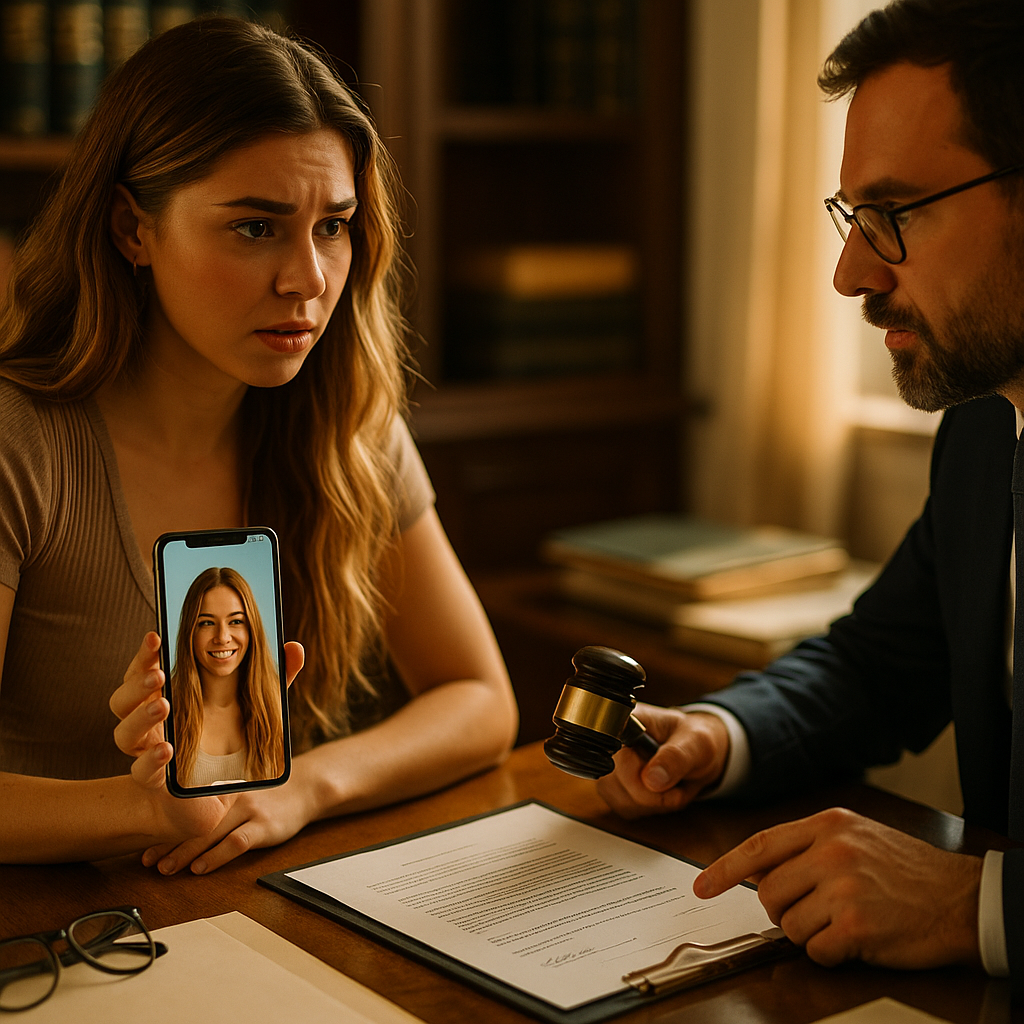
Understanding Legal Risks In Posthumous Licensing Of Digital Creators has become essential in 2025 as influencer estates, brands, and platforms monetize legacy content, AI replicas, and archived collaborations. The same assets that generate revenue can also trigger lawsuits over consent, ownership, and misleading endorsements. This guide explains the legal fault lines and practical safeguards so you can license responsibly, protect audiences, and avoid disputes before they start.
Rights of publicity & consent: managing posthumous identity licensing risks
For digital creators, the “product” often includes their name, image, voice, signature phrases, and recognizable style. After death, licensing these elements can create value—and exposure. The biggest risk comes from assuming an estate automatically has unlimited authority to commercialize identity assets across all media, globally.
Key issue: rights of publicity (sometimes called personality rights) vary by jurisdiction and can be transferable, inheritable, time-limited, or not recognized at all. In some places, these rights persist after death and can be enforced by an estate. In others, protection may be narrow or uncertain, pushing claims into trademark, unfair competition, or consumer protection law instead.
Common risk scenarios:
- Implied endorsement claims when a brand uses a creator’s likeness in an ad that suggests the creator personally supported the product.
- Scope creep where a license granted for “social posts” expands into out-of-home ads, paid media, or product packaging without explicit permission.
- Cross-border campaigns that trigger different rules country to country, especially for global platforms and multinational brands.
Practical safeguards: define “identity elements” precisely (name, handle, image, voice, catchphrases), specify approved categories of products, channels, territories, and campaign durations, and include a strict “no endorsement beyond approved copy” clause. If there is no clear posthumous consent document, treat the project as high risk and obtain written estate authority that specifically covers the intended use.
Copyright ownership & contracts: licensing digital content after death
Many disputes in posthumous licensing are not about likeness—they are about content. Copyright typically covers videos, photos, music, scripts, podcasts, thumbnails, and other creative outputs. The legal risk is assuming the estate owns everything the public associates with the creator.
Key issue: ownership depends on authorship, work-for-hire rules, platform terms, collaboration agreements, and contributor releases. A creator’s channel may feature editors, co-hosts, guest performers, composers, or brand-supplied footage—each potentially holding rights.
Follow-up questions readers usually have:
Who can license old videos and posts? Often the copyright owner (or their authorized agent). That may be the creator’s estate, but it might be a production company, a label, a network, or multiple co-authors. If rights are split, one party cannot safely grant a broad license alone.
Do brand collaborations automatically allow reuse after death? Not necessarily. Many influencer agreements limit usage by time, geography, media type, or require new approvals for repurposing. Posthumous reuse can breach contract even if copyright is cleared.
Where posthumous licensing fails in practice:
- Missing chain of title: no clear documentation proving ownership from capture to publication to archive.
- Uncleared elements: background music, memes, third-party clips, or stock assets licensed only for the original post.
- Contributor disputes: editors or collaborators claim co-authorship or unpaid royalties.
Practical safeguards: build a “rights map” per asset (who created what, who appears, what third-party elements exist, what licenses were used). Require warranties and indemnities from the licensing party, but don’t rely on them alone—verify with documentary evidence, including contributor agreements, music licenses, and prior brand contracts.
AI voice clones & deepfakes: synthetic media legal exposure in posthumous deals
In 2025, posthumous licensing increasingly includes synthetic media: AI voice clones for narration, animated likenesses for ads, and chatbots trained on creator content. These uses can deliver major revenue, but the legal and reputational downside is steep when consent or disclosure is weak.
Key issue: synthetic replicas blur the boundary between protected expression and protected identity. Even when an estate authorizes a clone, you still face risk from consumer deception claims, platform policy violations, and disputes from prior business partners if the clone implies renewed sponsorships.
High-risk triggers:
- “New speech” in the creator’s voice promoting products or taking positions the creator never expressed.
- Training on content without rights, especially where archived footage includes third-party contributors or copyrighted material not owned by the estate.
- Insufficient disclosure that an ad uses an AI-generated performance, creating allegations of deceptive marketing.
Practical safeguards: use a written “synthetic performance” addendum that sets boundaries: approved scripts, prohibited topics, required disclaimers, and a human review process. Require model documentation: training data sources, consent records, security controls, and takedown procedures. If a platform has specific policies for manipulated media or AI-generated content, align creative execution to those policies before launch—not after a complaint.
Trademark, unfair competition & false endorsement: brand confusion in legacy monetization
A creator’s name, handle, logo, and slogans often function like a brand. Even without formal registrations, they can create enforceable rights through use. Posthumous licensing can collide with existing trademark owners, prior sponsors, or opportunistic third parties registering marks after a creator’s death.
Key issue: audiences may interpret licensed content as current endorsement. That creates exposure under trademark and unfair competition theories, especially when marketing looks like an official partnership.
Common risk scenarios:
- Merchandising conflicts when an estate launches apparel using a creator’s catchphrase that another party has registered or used in the same category.
- Channel rebranding that implies a “new season” or “new collaboration” with brands the creator previously mentioned.
- Search and social ads bidding on a creator’s name to sell unrelated products, increasing confusion and enforcement costs.
Practical safeguards: conduct trademark clearance for new product lines and key territories, even if the creator was famous. Use clear labeling such as “licensed archive” or “estate-authorized” where appropriate, and avoid “present tense” endorsement language. If you manage an estate, consider a brand protection plan: monitoring for impostor accounts, unauthorized merch, and misleading ads—and a process to act quickly with takedowns and cease-and-desist letters.
Privacy, data protection & platform terms: handling accounts and archived data lawfully
Posthumous licensing often requires access to accounts, DMs, drafts, subscriber data, and monetization dashboards. That is where privacy and platform rules become the hidden legal trap. Even with good intentions, mishandling account access can violate data protection duties or breach terms of service.
Key issue: “digital assets” are not just content files. They include account credentials, analytics, customer lists, and private communications. Estates and partners must treat these as sensitive data with legal constraints.
Where risk concentrates:
- Unauthorized access by assistants, managers, or family members using old passwords without formal authority.
- Repurposing fan data (emails, addresses, purchase history) for new campaigns without proper consent or notice.
- Publishing private drafts or messages that contain third-party personal data, creating privacy claims and reputational harm.
Practical safeguards: document authority to access accounts (estate appointment papers where applicable), use platform-approved legacy tools and transfer processes, and implement role-based access with audit trails. Minimize data use: only collect or export what you need, store it securely, and set retention limits. If a license partner requests “all historical analytics,” push back and share aggregated insights instead of raw user-level data unless you have a clear legal basis.
Estate planning & deal structures: reducing litigation risk for creators, heirs, and brands
The most effective way to reduce legal risk is to plan while the creator is alive and to structure posthumous deals with governance, not just payment terms. Brands and platforms increasingly expect professional estate operations; informal permissions lead to disputes, inconsistent approvals, and public backlash.
Key issue: posthumous licensing sits at the intersection of IP, contracts, privacy, and consumer trust. A deal can be legally “valid” yet still create reputational damage if it feels exploitative or misleading. The best structures anticipate both court scrutiny and audience expectations.
What creators should document now:
- A digital IP inventory listing content libraries, brand deals, music licenses, collaborators, and storage locations.
- Authority and preferences for posthumous uses: what is allowed, what is prohibited, and who decides.
- Creator integrity guidelines defining categories they would never endorse, and rules for political, health, and financial content.
What brands and estates should put in the license:
- Clear scope and approvals (creative review, script sign-off, limits on edits, and a prohibition on “new statements” without explicit approval).
- Disclosure and labeling requirements for archive vs. synthetic performances.
- Morals and brand safety provisions that work both ways: protecting the estate from exploitative uses and protecting the brand from hidden rights issues.
- Dispute and takedown mechanisms with rapid escalation and defined timelines.
Answering the practical business question—who should be the licensor? Ideally, a single purpose entity or clearly authorized representative with documented authority and a complete rights map. If multiple heirs or partners must approve, bake that into the timeline and do not launch campaigns on assumptions.
FAQs
Can an estate legally license a deceased creator’s voice and likeness for advertising?
Sometimes, but not automatically. The ability to license posthumous identity rights depends on the jurisdiction and on whether the estate has clear authority. Even when allowed, the license must avoid misleading endorsements and should include disclosures, scope limits, and approvals—especially for AI-generated performances.
Do collaborators (editors, co-hosts, photographers) have rights that can block a posthumous license?
Yes. Collaborators may own copyright in their contributions, have performer rights, or hold contractual approvals. A posthumous license should confirm chain of title and include contributor agreements or releases; otherwise, a single contributor dispute can derail distribution.
Is it safer to license “archival content” than to create a new AI deepfake?
Archival content can still carry rights and contract problems, but it usually presents fewer deception and consent issues than synthetic media. AI deepfakes raise additional risks around new speech, disclosure, training data rights, and reputational harm, so they require stricter controls and documentation.
What disclosures should be used when content is AI-generated?
Use clear, audience-facing disclosures that the performance is synthetic or AI-generated, and avoid language that implies the creator personally participated. Also align with platform policies and any applicable advertising rules. Put disclosure requirements into the contract so they are not optional at launch time.
How can brands verify an estate actually has the right to license?
Request documentary proof of authority and ownership: estate appointment documentation, chain-of-title records, prior brand agreements affecting reuse, contributor releases, and evidence of rights for music and third-party materials. Include warranties and indemnities, but treat verification as essential, not redundant.
What is the single most important step to reduce legal risk?
Create a documented rights map and approval process before any campaign is produced. Most posthumous licensing disputes arise from unclear ownership, missing permissions, or expansion beyond the original scope—problems that a structured rights audit and tight contract language can prevent.
Posthumous licensing can preserve a creator’s legacy and create real value, but it carries legal risks that multiply across identity rights, copyright, AI replicas, trademarks, privacy, and platform rules. In 2025, the safest path is disciplined documentation: clear authority, verified ownership, tight scope, transparent disclosures, and rapid takedown procedures. Treat every use as a trust exercise—because audiences notice shortcuts.