


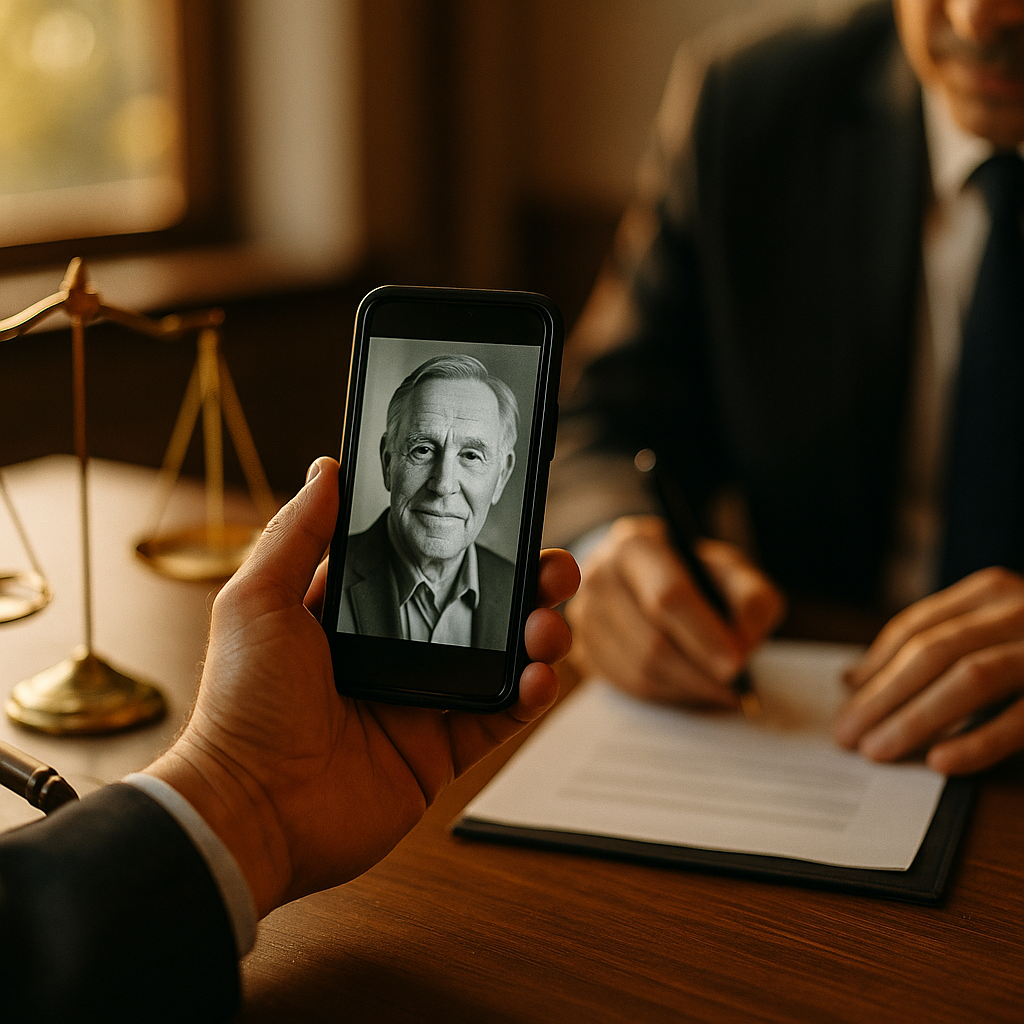
In 2025, digital media can resurrect a person’s face and voice with unsettling realism, creating new business opportunities and new liability. This guide on Navigating The Legal Risks Of Posthumous Likeness Usage In Digital Media explains the rights, contracts, and compliance steps that keep creators, brands, and platforms out of court. The rules vary, and one wrong assumption can trigger expensive claims—so where do you start?
Posthumous right of publicity: what it protects and why it matters
The central legal concept behind most disputes is the right of publicity—the right to control commercial use of a person’s identity. In many jurisdictions, that right can survive death, becoming a posthumous right of publicity that an estate (or designated heirs) can enforce. When you use a deceased person’s face, name, voice, signature, catchphrase, or distinctive mannerisms in an advertisement, game, film, or social post, you may be triggering that right even if you never say the person’s name.
Key point: this is not only a “celebrity” issue. Some laws protect any individual, while others emphasize commercial value. Either way, the risk increases when your use suggests endorsement, sells a product, or trades on reputation.
Because rules differ by location, risk analysis starts with two questions readers often overlook:
- Where is the content produced, published, and monetized? Distribution can create exposure in multiple states/countries at once.
- Where was the individual domiciled at death? Many postmortem publicity regimes tie enforceability to domicile.
Also distinguish publicity rights from privacy. Privacy typically ends at death in many places, but publicity can continue. That difference is why a “they’re deceased, so privacy doesn’t apply” argument often fails for commercial uses.
Estate licensing and chain of title: securing enforceable permissions
If you want to use a deceased person’s likeness, the safest route is a license from the rightsholder with a clean chain of title. In practice, “the estate” is not always a single clear entity. Rights may sit with a trust, a corporate holding company, heirs, or a manager empowered by contract.
To reduce disputes, treat this like any other rights clearance and insist on documentation. A robust clearance package typically includes:
- Proof of authority (letters testamentary, trust documents, or corporate authorization) showing the signatory can grant rights.
- Scope and territory (global vs. limited) aligned to your actual distribution plan.
- Media and technology explicitly covering digital, synthetic voice, deepfake-style generation, real-time rendering, and future formats to the extent enforceable.
- Term (how long you may use the likeness) and what happens if content remains online after expiration.
- Approval rights for scripts, context, wardrobe, and co-branding—especially for advertising and endorsements.
- Moral/brand integrity clauses that prohibit uses implying illegal activity, hate, explicit content, or political endorsements unless expressly approved.
- Indemnities and insurance allocating who pays if a third party claims ownership or alleges misuse.
Answering the common follow-up question—“Is a license always necessary?”—depends on context. Editorial works and expressive uses may rely on free-speech protections (discussed below), but commercial campaigns and product packaging rarely qualify. If you are selling, endorsing, or driving conversions, assume you need permission unless counsel identifies a clear exception.
Digital resurrection and deepfake regulation: special risks for AI-generated likenesses
AI tools now create “digital resurrection” performances: synthetic voiceovers, face swaps, de-aging, body doubles driven by motion capture, and fully generated avatars that mimic a specific person. Even when a project is respectful, AI makes it easier to cross legal lines because it scales quickly and can be repurposed across platforms.
Three risk areas dominate AI-generated posthumous likeness usage:
- Consent and provenance: If the underlying training data includes clips, scans, or voice samples sourced without authorization, you can face claims from the estate, rightsholders, or licensors of the source footage.
- Consumer deception: Marketing that implies “authentic participation” can trigger unfair competition, false endorsement, or consumer protection scrutiny if the individual did not actually participate.
- Context collapse: AI outputs can be remixed. If your licensed asset leaks or is reused in harmful ways, the estate may claim you failed to implement reasonable controls.
Practical compliance steps that materially reduce exposure:
- Maintain a model and asset log documenting datasets, prompts, tool versions, vendors, and approvals. This supports defensibility and speeds takedowns.
- Use technical controls such as access restrictions, watermarking, and limited-resolution deliverables when feasible.
- Add clear disclosures in credits or accompanying materials when a performance is synthetic, especially if the likeness appears to “speak” new lines.
- Implement vendor warranties requiring lawful data sourcing, non-infringement, and confidentiality.
If you are a platform or agency, build a review workflow for content featuring deceased persons. A lightweight checklist—identity verification, rights status, and context review—catches most high-risk cases early.
Copyright, trademarks, and defamation: overlapping legal exposure in media projects
Publicity rights are only one layer. Posthumous likeness projects often implicate other legal regimes, and plaintiffs frequently plead multiple claims to increase leverage.
Copyright can apply to photographs, film clips, recorded performances, and even some digital scans if they incorporate protectable expression. Even if you have a publicity license, you still need permission to use copyrighted source materials unless your use qualifies as fair use or you create entirely new assets without copying. A common mistake: licensing a face is not the same as licensing a particular photo.
Trademarks can arise when a deceased person’s name or signature functions as a brand. Merchandising, NFT-like collectibles, and sponsorships often intersect with trademark rights held by an estate or a business entity. Using the likeness in a way that suggests affiliation may create a likelihood of confusion claim, separate from publicity rights.
Defamation and false light claims can be complicated after death and vary by jurisdiction, but risk remains through claims by living relatives or businesses for related reputational harm, as well as claims for misleading advertising. Even when defamation technically does not apply to the deceased, creators can face backlash and legal pressure through other theories (false endorsement, unfair competition, intentional infliction claims in some contexts, or contract-based claims).
Answering another frequent question—“What if our portrayal is respectful and positive?”—respect helps, but it does not substitute for rights. A positive unauthorized endorsement can be just as actionable as a negative one because it still exploits identity for commercial gain.
First Amendment and fair use defenses: editorial, documentary, and artistic works
Creators often rely on free-speech protections for expressive works: documentaries, films, biographies, news reporting, commentary, parody, and art. These defenses can be strong, but they are fact-specific and weaken when the use looks like advertising.
Courts commonly examine whether the use is primarily expressive or primarily commercial, and whether it adds new meaning or message rather than serving as a substitute for authorized merchandise. While the specific tests vary by jurisdiction, practical guidance stays consistent:
- Keep the use integral to the story. A likeness used in a documentary segment is easier to defend than the same likeness on a product label.
- Avoid implying endorsement. Promotional materials are often where lawsuits begin. Trailers, key art, and social ads should not suggest approval by the estate unless you have it.
- Separate ads from editorial. Native advertising formats can blur lines and raise risk, particularly when the deceased appears to “recommend” a product.
- Be cautious with hyper-realistic synthetic performances. The more your output looks like newly recorded speech, the more it resembles a commercial exploitation rather than commentary.
If you are producing an expressive work and want extra safety, consider outreach to the estate for cooperation, even if you believe a defense applies. Cooperation can reduce litigation risk, provide access to materials, and prevent disputes around marketing and merchandising later.
Risk management checklist for brands, studios, and platforms: compliance that scales
Legal risk drops sharply when teams treat posthumous likeness usage as a standardized clearance process rather than a one-off negotiation. The following operational steps scale well across campaigns, episodic content, and user-generated ecosystems:
- Map the use cases: editorial depiction, marketing, merchandise, interactive experiences, AI-generated speech, voice assistants, or in-game avatars. Each carries different risk.
- Determine rights status early: domicile at death, likely rightsholders, existing endorsements, and any prior licenses that may conflict.
- Run a “marketing parity” review: ensure promotional materials stay within licensed or defensible boundaries; many projects clear the film but forget the ads.
- Build a documentation bundle: contracts, approvals, provenance logs, and disclosure language. Store it centrally for audits and takedown responses.
- Use insurance strategically: errors and omissions coverage may require documented clearances and can exclude synthetic media unless disclosed.
- Prepare a response plan: takedown process, stakeholder contacts, and a public statement template if controversy emerges.
Platforms and agencies should add policy guardrails for user-generated deepfakes involving deceased individuals. A clear policy plus enforcement records improves legal defensibility and reduces reputational fallout.
FAQs about posthumous likeness rights in digital media
Can I use a deceased celebrity’s face in an advertisement if I found the image online?
No. You likely need both a publicity rights license from the rightsholder and a copyright license for the photo (unless a narrow defense applies). “Publicly available” is not the same as “free to use.”
What if we only use a voice that sounds similar, not the exact person?
If the voice is identifiable as that person or deliberately evokes them, you can still face right of publicity and false endorsement claims. The risk increases if you market the connection or if consumers reasonably believe it is them.
Do we need permission for a documentary about a deceased person?
Often no for the core expressive work, but you still must clear copyrighted clips and images, and you must be careful with merchandising and promotional materials. If you use AI to generate “new” lines in their voice, reassess risk.
Who can legally grant rights after someone dies?
Usually the estate representative, a trust, heirs, or an entity that holds assigned rights. Always require proof of authority and confirm there are no competing claimants.
Is a disclaimer enough to avoid liability?
Disclaimers help but rarely cure an unauthorized commercial use. They are most useful to reduce confusion in expressive works and to clarify when a performance is synthetic.
How do we reduce risk when using AI-generated performances?
Get a clear license, document data provenance, restrict reuse with technical and contractual controls, disclose synthetic elements when appropriate, and review all marketing for implied endorsement.
In 2025, posthumous likeness projects can succeed when they combine creativity with disciplined rights management. The safest approach is to identify the applicable publicity regime, secure a clear chain of title, and separately clear any copyrighted source materials. AI increases both realism and liability, so document provenance and control reuse. When in doubt, treat marketing as the highest-risk surface—and get approvals before you publish.