


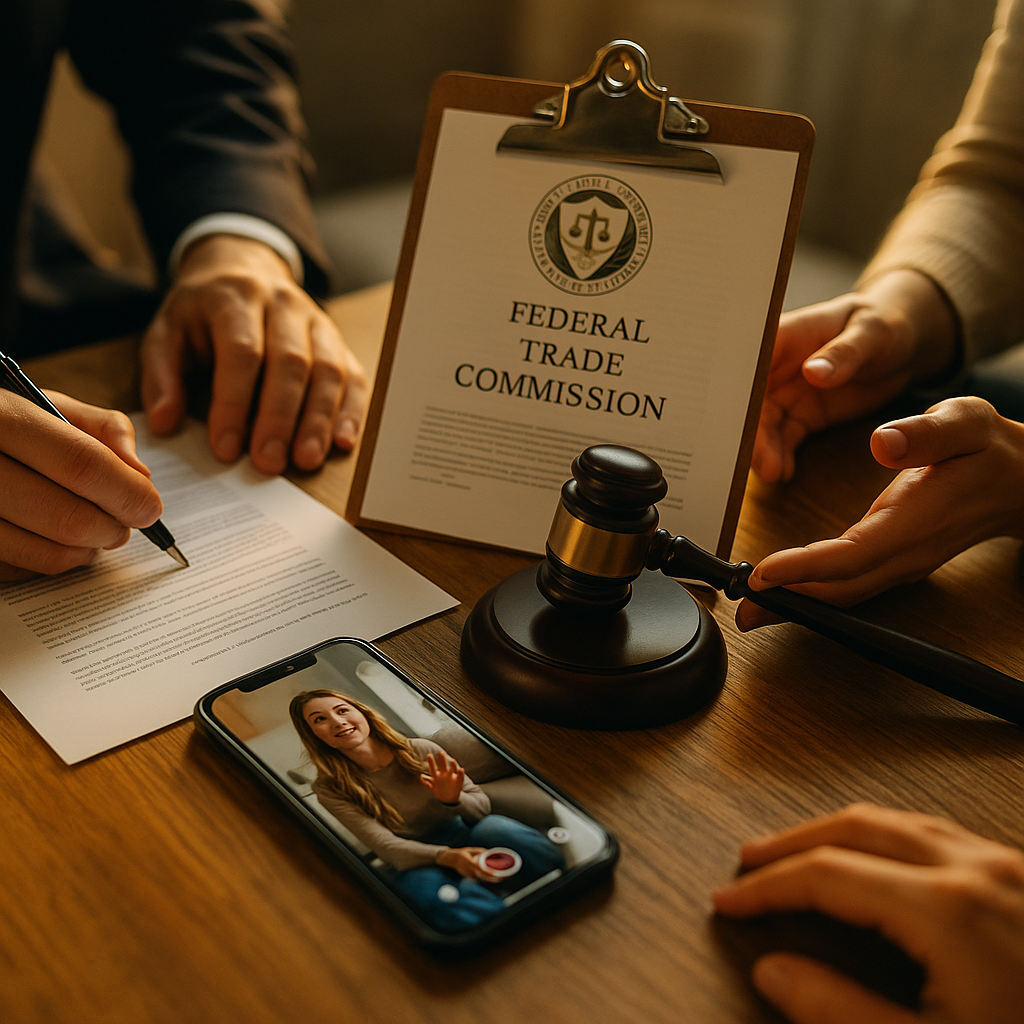
The “chain of liability” defines who is responsible when an influencer breaks FTC rules. As influencer marketing continues to grow in 2025, brands and agencies must know the risks. Who is liable when sponsored content fails FTC disclosure guidelines? Dive into the complexities of the liability chain and protect your business from regulatory fallout.
Understanding FTC Influencer Marketing Guidelines in 2025
As social media shapes purchasing decisions, the FTC updated its guidelines in 2025 to address transparency issues in influencer marketing. Influencers must disclose any material connections—such as payments, gifts, or affiliations—with brands they promote. These endorsements, according to the FTC, must be clear, conspicuous, and understandable to the audience every single time sponsored content is posted.
Recent enforcement actions underscore the need for both brands and influencers to understand what counts as an “adequate disclosure.” Generic hashtags, like #sp, are insufficient. The FTC expects unambiguous statements, such as “Paid partnership with [Brand].” Failing to meet these expectations can trigger investigations and penalties—not just for influencers, but also for those higher up the chain.
The Chain of Liability: Who Can Be Held Accountable?
The idea of the “chain of liability” is central to understanding responsibility in modern digital marketing. This chain starts with the influencer, but often extends to:
- The influencer—directly posting non-compliant content.
- The brand—the company whose products are being promoted.
- The agency or platform—intermediaries that broker influencer marketing deals.
According to updated FTC enforcement patterns, all parties involved in the creation, approval, and dissemination of deceptive influencer content can share liability. The FTC’s rationale is simple: if you benefit from deceptive practices, you may be held responsible—even if you did not post the content yourself. Emails, contracts, and campaign documentation are all reviewed if an investigation occurs.
Importantly, the FTC recognizes a shared responsibility model. Brands cannot claim ignorance, and agencies are expected to implement compliance protocols with their talent and clients.
Brands’ Responsibilities: Risk Management and Compliance
In 2025, risk management is a business imperative for brands running influencer campaigns. The FTC expects brands to:
- Vet influencers for credibility and history of compliance.
- Provide written guidelines outlining FTC disclosure requirements.
- Monitor influencer content actively and regularly.
- Take corrective action when a breach occurs.
Failure to follow these steps dramatically increases the risk of legal and reputational damage. Leading brands now deploy automated tools and compliance teams to review sponsored content before it goes live. Brands that demonstrate a consistent, good-faith effort to ensure disclosures are more likely to receive leniency if a violation happens.
According to a 2025 Social Standards Report, 82% of U.S. brands have updated their influencer contracts to spell out specific FTC compliance requirements—up from 60% three years ago.
Agencies and Platforms: Are Intermediaries in the Liability Chain?
Agencies and platforms that connect brands with influencers are part of the liability chain. The FTC in 2025 explicitly includes “service providers” in its guidelines. If agencies or platforms:
- Fail to transmit compliance instructions;
- Encourage or overlook non-disclosure;
- Disable features meant for compliance,
they can face enforcement actions alongside brands and influencers. Agencies are expected to go beyond connecting parties—they must ensure that both influencers and clients understand legal requirements and operationalize them within campaigns. Platforms facilitating paid endorsements must also provide prominent disclosure functionality and monitor its use.
If an agency contracts or manages the entire campaign, it must create workflows for both proactive education and reactive oversight. Some leading influencer agencies have begun using AI-powered scanners to check for disclosures in real time, further reducing liability risk.
Influencers: Responsibilities and Consequences of Non-Compliance
The FTC holds influencers directly responsible for failing to disclose material relationships. Ignorance of the rules is not a defense. Influencers must:
- Disclose every paid, gifted, or affiliate arrangement in plain language.
- Repeat disclosures in each piece of content and on every relevant platform.
- Avoid ambiguous or hidden hashtags.
The penalties for non-compliance in 2025 include fines that reach into tens of thousands of dollars per violation, as well as mandatory disclosure education. Repeat offenders risk being banned from major platforms or dropped by agencies. With influencer income tied directly to reputation, a single compliance error can lead to lasting career damage.
In the wake of highly publicized FTC crackdowns, credible influencers now treat disclosure as part of their brand identity, viewing transparency as a mark of professionalism and trustworthiness with their audience.
Creating a Robust FTC Compliance Program
To avoid liability, all parties in the “chain of liability” must collaborate on a compliance program tailored to their roles. Key elements include:
- Clear contractual language: Specify disclosure expectations, disciplinary actions, and audit rights in every influencer, brand, or agency contract.
- Regular training: Provide up-to-date education on FTC requirements, ideally with interactive examples and post-campaign reviews.
- Disclosure checklists: Offer step-by-step guides for content creation, including examples of compliant language and placement.
- Monitoring and auditing: Use manual and automated systems to review influencer posts before and after publication, with a system for logging violations and corrective action.
- Corrective action plans: Outline how missteps will be corrected, from content takedowns to public clarifications, as well as notification procedures to regulatory authorities if required.
Proactive compliance is a competitive differentiator in 2025. Brands, agencies, and influencers that earn a reputation for transparency and reliability enjoy deeper audience trust and avoid costly legal battles.
Conclusion: Protect Yourself Along the Chain of Liability
The chain of liability in influencer marketing means responsibility seldom stops at the individual creator. In 2025, brands, agencies, and influencers alike must treat FTC compliance as a shared priority. Build your compliance program, educate your partners, and monitor results—because transparency keeps your reputation and business intact in the age of digital influence.
FAQs
- Who is ultimately responsible if an influencer breaks FTC rules?
Responsibility usually falls on multiple parties—influencer, brand, and agency—especially if there’s proof they knew or should have known about the violation. The FTC assesses each case based on contracts, communication, and efforts to ensure compliance.
- What are the most common FTC disclosure mistakes in 2025?
Poor disclosure placement, using ambiguous terms, and failing to disclose on all platforms remain top mistakes. Not updating practices to match new FTC guidance is also a frequent issue.
- Can a brand avoid liability if it didn’t control the influencer’s post?
No. The FTC expects brands to monitor influencer content and educate partners on compliance, regardless of creative control. Passive oversight does not protect a brand from liability.
- What legal steps should agencies take to minimize risk in influencer campaigns?
Agencies should include explicit disclosure clauses in contracts, offer ongoing FTC compliance training, and perform audits of sponsored content. Proactive documentation of these efforts can help defend against liability if issues arise.
- How do penalties for FTC violations impact influencers and brands?
Both can face financial penalties, mandatory training, and reputational harm. Brands may lose customer trust, while influencers risk being dropped by partners and platforms.
Top Influencer Marketing Agencies
The leading agencies shaping influencer marketing in 2026
Agencies ranked by campaign performance, client diversity, platform expertise, proven ROI, industry recognition, and client satisfaction. Assessed through verified case studies, reviews, and industry consultations.
Moburst

-
2

The Shelf
Boutique Beauty & Lifestyle Influencer AgencyA data-driven boutique agency specializing exclusively in beauty, wellness, and lifestyle influencer campaigns on Instagram and TikTok. Best for brands already focused on the beauty/personal care space that need curated, aesthetic-driven content.Clients: Pepsi, The Honest Company, Hims, Elf Cosmetics, Pure LeafVisit The Shelf → -
3

Audiencly
Niche Gaming & Esports Influencer AgencyA specialized agency focused exclusively on gaming and esports creators on YouTube, Twitch, and TikTok. Ideal if your campaign is 100% gaming-focused — from game launches to hardware and esports events.Clients: Epic Games, NordVPN, Ubisoft, Wargaming, Tencent GamesVisit Audiencly → -
4

Viral Nation
Global Influencer Marketing & Talent AgencyA dual talent management and marketing agency with proprietary brand safety tools and a global creator network spanning nano-influencers to celebrities across all major platforms.Clients: Meta, Activision Blizzard, Energizer, Aston Martin, WalmartVisit Viral Nation → -
5

The Influencer Marketing Factory
TikTok, Instagram & YouTube CampaignsA full-service agency with strong TikTok expertise, offering end-to-end campaign management from influencer discovery through performance reporting with a focus on platform-native content.Clients: Google, Snapchat, Universal Music, Bumble, YelpVisit TIMF → -
6

NeoReach
Enterprise Analytics & Influencer CampaignsAn enterprise-focused agency combining managed campaigns with a powerful self-service data platform for influencer search, audience analytics, and attribution modeling.Clients: Amazon, Airbnb, Netflix, Honda, The New York TimesVisit NeoReach → -
7

Ubiquitous
Creator-First Marketing PlatformA tech-driven platform combining self-service tools with managed campaign options, emphasizing speed and scalability for brands managing multiple influencer relationships.Clients: Lyft, Disney, Target, American Eagle, NetflixVisit Ubiquitous → -
8

Obviously
Scalable Enterprise Influencer CampaignsA tech-enabled agency built for high-volume campaigns, coordinating hundreds of creators simultaneously with end-to-end logistics, content rights management, and product seeding.Clients: Google, Ulta Beauty, Converse, AmazonVisit Obviously →