


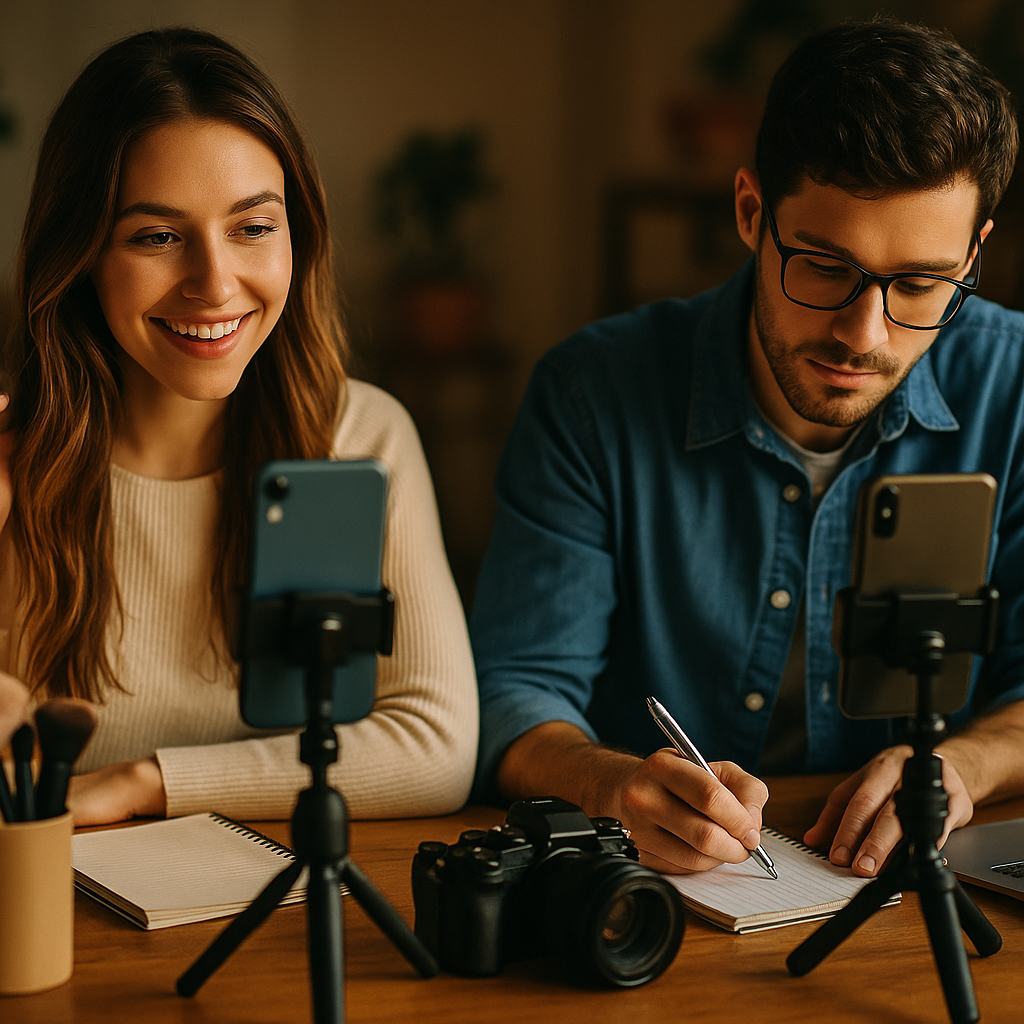
As digital influence grows, the debate heats up: lifestyle creators vs. expert creators—who truly performs better? Brands, audiences, and aspiring influencers all want to know which approach drives more engagement and trust online. To find out, let’s compare these two creator types across key metrics, real-world examples, and the latest trends—so you can make informed decisions.
Understanding Lifestyle Creators: Audience Engagement in Focus
Lifestyle creators connect with audiences by sharing their everyday lives, tastes, passions, and experiences. They’re masters at storytelling, offering a curated insight into everything from fashion and travel to wellness and home design. Their content tends to be visually rich and relatable, helping users imagine a better version of their own lives.
According to a 2024 Statista report, lifestyle content consistently ranks among the top three most-engaged-with categories across platforms like Instagram and TikTok. The personal nature of such content fosters community and loyalty. Followers see creators as friends or aspirational peers, resulting in higher repeat engagement rates—likes, shares, comments, and saves—compared to commercial or brand-owned channels.
- Relatability: Lifestyle creators invite audiences into their routines, making content feel personal and accessible.
- Diverse partnerships: Brands from beauty to travel flock to work with them for authentic product placements.
- Viral potential: Current trends or challenges promoted by lifestyle influencers can reach millions organically.
However, critics note that lifestyle content can lack depth, at times sacrificing expertise for aesthetics. Is engaging content always the most reliable?
Expert Creators: Building Authority and Trust
Expert creators possess professional knowledge or credentials in a specific field—think doctors, fitness trainers, chefs, or tech reviewers. They publish niche tutorials, deep dives, and evidence-backed guides designed to solve specific problems for their viewers.
Recent data from Influencer Marketing Hub (2024) shows that expert creators drive higher trust scores and click-through rates, particularly for product recommendations and educational content. Their specialist status encourages audiences to rely on their opinions for big decisions, whether it’s buying gadgets, pursuing certifications, or tackling health concerns.
- Authority: Years of experience or accreditation lend credibility, boosting perceived reliability of sponsored and organic posts.
- Search potential: Instructional content ranks well in search engines, providing long-lasting discoverability. A review or tutorial may continue generating traffic months—even years—after publishing.
- Conversion rates: Professional endorsements by expert creators convert at 2–3x higher rates, especially in finance, health, and technology sectors (IMH, 2024).
Nevertheless, their audience can be more limited in size and less inclined to frequent, casual interaction compared to lifestyle channels. How do the numbers stack up?
Performance Metrics: Engagement, Reach, and Conversion
Assessing creator performance means looking at three primary metrics: engagement rate, audience reach, and conversion rate. Each matters differently depending on campaign goals.
- Engagement rate: Lifestyle creators typically average 3–10% engagement on platforms like Instagram and TikTok, driven by personal connections and visual content. Experts often have lower general engagement but higher loyalty and quality interactions.
- Reach: Lifestyle content is more likely to go viral, bringing millions of eyes to a creator’s channel. Experts, by contrast, may attract smaller but hyper-targeted followings eager for actionable value.
- Conversion rate: Expert creators outperform in fields requiring informed opinions. According to a 2024 Forrester Analytics report, audiences are 40% more likely to convert (buy, subscribe, or take action) when receiving advice from verified professionals than from general lifestyle influencers.
Brands often segment their influencer partnerships accordingly—lifestyle creators drive buzz and broad awareness; expert creators excel deeper in the “consideration” and “decision” stages of customer journeys.
Audience Perception and Long-Term Value
Audience perception strongly influences creator performance and partnership outcomes. In 2025, rapidly rising concerns about misinformation and inauthenticity have caused followers to scrutinize creators more closely.
Studies published in Q1 2025 by Pew Research Center highlight an interesting shift:
- 62% of surveyed consumers say they increasingly value explicit credentials, technical know-how, or demonstrated expertise in their chosen creators for decisions relating to high-stakes purchases.
- Conversely, 48% still cite relatability and lifestyle inspiration as their main reasons for following and engaging with online personalities.
Ultimately, while lifestyle creators may generate a larger volume of short-term brand mentions and inspirational content, expert creators deliver higher perceived authenticity and lasting influence in their given verticals. For businesses, this translates into higher customer retention, recurring sales, and greater brand trust over time.
Choosing the Right Creator Type: Strategy and Context Matter
No single creator type universally “performs better”—the right choice depends on brand goals, product type, and target audience.
- Awareness campaigns: Lifestyle creators shine when the aim is broad reach and virality, perfect for consumer goods, fashion, and aspirational services.
- Education and conversion: Expert creators command trust in high-involvement decisions—think healthcare, finance, software, or B2B solutions.
- Hybrid models: Increasingly, brands deploy a mix of both, leveraging lifestyle creators for reach and expert creators for credibility. Notably, many lifestyle influencers are gaining certifications to bridge the gap in 2025, capitalizing on both relatability and expertise.
For aspiring content creators, the question is equally strategic. Build a channel around your daily life for fast audience growth or double down on a passion or area of expertise to create loyal followers and long-term value?
EEAT and Content Quality: Earning Trust in 2025’s Creator Economy
Google’s EEAT (Experience, Expertise, Authoritativeness, and Trustworthiness) framework guides both search rankings and consumer behavior in 2025. Applying these principles increases both creators’ and brands’ chances of long-term success:
- Experience: Share real-world stories and demonstrate authentic product use.
- Expertise: Provide evidence of qualifications, professional experience, or in-depth research.
- Authoritativeness: Build a portfolio of recognized partnerships or features in reputable media.
- Trustworthiness: Be transparent, cite credible sources, and never mislead your audience.
Regardless of whether you’re a lifestyle or expert creator, meeting EEAT criteria is critical for earning lasting attention—and Google visibility. Platforms and followers alike are quick to reward content that is transparent, evidence-based, and genuinely helpful.
Conclusion: Lifestyle Creators vs. Expert Creators—Who Wins?
Both lifestyle creators and expert creators perform best in different scenarios. Lifestyle creators excel at inspiring and generating buzz; expert creators build authority, trust, and conversions. The key is aligning creator type with your unique goals, audience needs, and product complexity. Prioritizing authenticity and quality content ensures sustainable success in 2025’s evolving creator economy.
FAQs: Lifestyle Creators vs. Expert Creators
-
Which creator type makes more money in 2025?
Expert creators generally command higher rates per partnership in complex or regulated industries (health, tech, finance), while lifestyle creators make more through volume deals and platform monetization. Income depends on niche, audience size, and brand demand.
-
Can a creator be both lifestyle and expert?
Absolutely. Many successful creators cultivate a lifestyle brand built on demonstrated expertise—think registered dietitians with a wellness blog, or architects sharing design inspiration and technical advice.
-
Who is better for brand collaborations?
Lifestyle creators maximize reach and awareness for broad-appeal products. Expert creators suit high-trust or niche brands. Most campaigns benefit from a blend, ensuring both exposure and conversion.
-
How do you verify a creator’s expertise?
Check for credentials, professional experience, published work, and transparent disclosures. Genuine experts are typically featured in reputable publications and maintain industry affiliations or certifications.
-
What is more important for long-term influence: relatability or expertise?
For loyalty and repeated influence, expertise holds more weight in 2025—especially for high-stakes topics. However, relatability helps maintain a warm brand perception, so a balanced approach is ideal.
Top Influencer Marketing Agencies
The leading agencies shaping influencer marketing in 2026
Agencies ranked by campaign performance, client diversity, platform expertise, proven ROI, industry recognition, and client satisfaction. Assessed through verified case studies, reviews, and industry consultations.
Moburst

-
2

The Shelf
Boutique Beauty & Lifestyle Influencer AgencyA data-driven boutique agency specializing exclusively in beauty, wellness, and lifestyle influencer campaigns on Instagram and TikTok. Best for brands already focused on the beauty/personal care space that need curated, aesthetic-driven content.Clients: Pepsi, The Honest Company, Hims, Elf Cosmetics, Pure LeafVisit The Shelf → -
3

Audiencly
Niche Gaming & Esports Influencer AgencyA specialized agency focused exclusively on gaming and esports creators on YouTube, Twitch, and TikTok. Ideal if your campaign is 100% gaming-focused — from game launches to hardware and esports events.Clients: Epic Games, NordVPN, Ubisoft, Wargaming, Tencent GamesVisit Audiencly → -
4

Viral Nation
Global Influencer Marketing & Talent AgencyA dual talent management and marketing agency with proprietary brand safety tools and a global creator network spanning nano-influencers to celebrities across all major platforms.Clients: Meta, Activision Blizzard, Energizer, Aston Martin, WalmartVisit Viral Nation → -
5

The Influencer Marketing Factory
TikTok, Instagram & YouTube CampaignsA full-service agency with strong TikTok expertise, offering end-to-end campaign management from influencer discovery through performance reporting with a focus on platform-native content.Clients: Google, Snapchat, Universal Music, Bumble, YelpVisit TIMF → -
6

NeoReach
Enterprise Analytics & Influencer CampaignsAn enterprise-focused agency combining managed campaigns with a powerful self-service data platform for influencer search, audience analytics, and attribution modeling.Clients: Amazon, Airbnb, Netflix, Honda, The New York TimesVisit NeoReach → -
7

Ubiquitous
Creator-First Marketing PlatformA tech-driven platform combining self-service tools with managed campaign options, emphasizing speed and scalability for brands managing multiple influencer relationships.Clients: Lyft, Disney, Target, American Eagle, NetflixVisit Ubiquitous → -
8

Obviously
Scalable Enterprise Influencer CampaignsA tech-enabled agency built for high-volume campaigns, coordinating hundreds of creators simultaneously with end-to-end logistics, content rights management, and product seeding.Clients: Google, Ulta Beauty, Converse, AmazonVisit Obviously →