


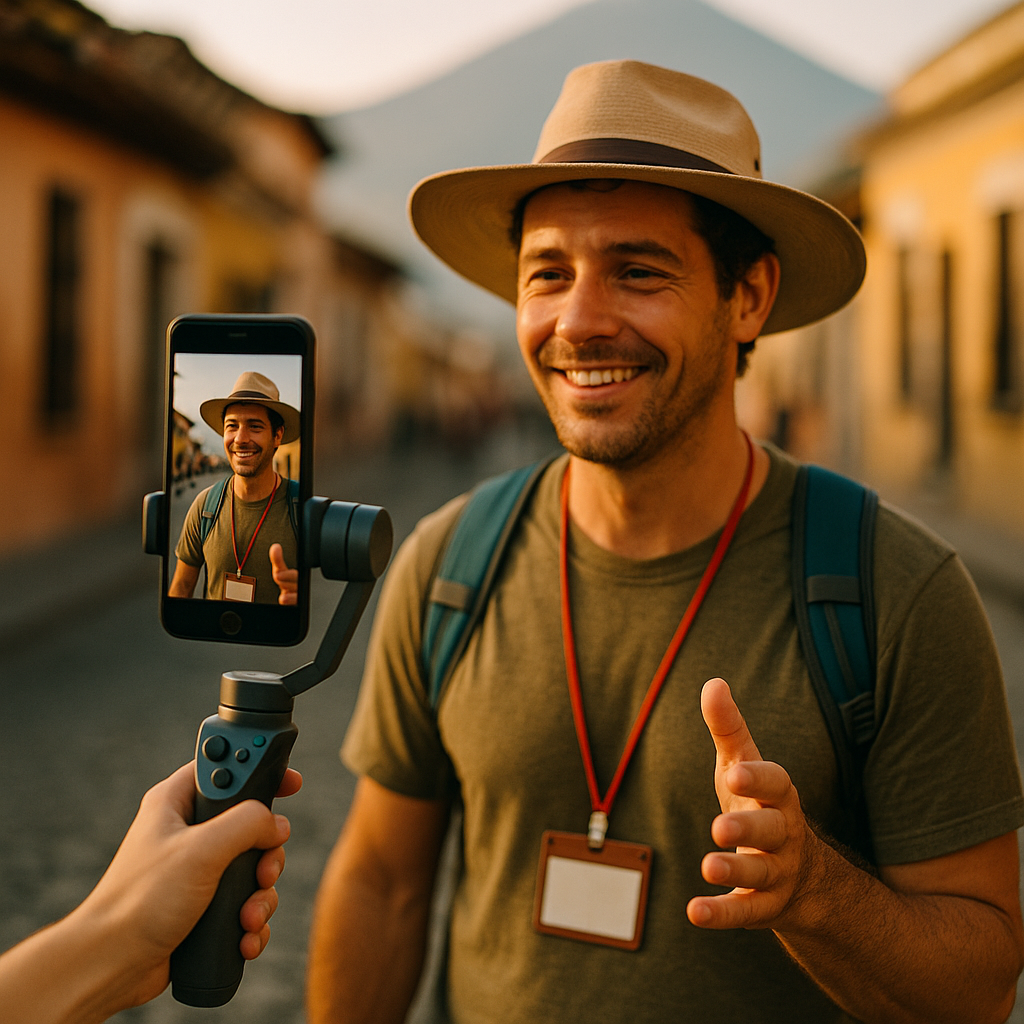
Destination marketers spend six figures on glossy hero films that get 4,000 views. Meanwhile, a 24-year-old with 8,000 followers posts a shaky walkthrough of her favorite ramen alley and drives 300 affiliate link clicks by lunchtime. The local guide takeover format isn’t a nice-to-have anymore. It’s the highest-converting content type most destination brands are still underfunding.
Why City Walkthroughs Outperform Polished Destination Films
Travelers don’t trust brochures. They trust people who look like them, walking routes they could actually replicate. A 2024 report from eMarketer found that user-generated and creator content consistently outperforms brand-produced travel video on engagement and click-through, particularly among Gen Z and millennial travelers researching mid-funnel decisions — the “where should I actually eat” stage, not the “should I visit Portugal” stage.
That mid-funnel moment is exactly where affiliate bookings live. Someone has already decided on the city. Now they’re deciding on the tour, the restaurant, the walking route, the hotel neighborhood. A local guide takeover video, done right, answers that question and hands the viewer a link in the same breath.
The format works because it mimics how travelers actually get advice from friends: unscripted, specific, slightly biased, and full of caveats. Strip out the caveats and you strip out the trust.
What “Local Guide Takeover” Actually Means
The format is simple on paper: a micro-creator, ideally a resident or frequent visitor with genuine local knowledge, takes over the brand’s account (or posts natively) to walk viewers through a neighborhood, a food crawl, or a day-in-the-life itinerary. It’s part vlog, part recommendation engine, part advertisement — but it only works if the advertisement part stays quiet.
Contrast this with a traditional influencer trip. Traditional trips optimize for scenic shots and brand mentions. Takeovers optimize for utility. The creator isn’t performing “wow, this city is amazing.” They’re performing “here’s exactly what I’d tell my friend to do, in order, with timestamps.”
That distinction matters for briefing. If you brief a takeover like a polished campaign, you’ll get a polished campaign — and polished campaigns don’t convert affiliate links nearly as well as ones that feel discovered rather than staged.
The Brief: What to Specify (and What to Leave Alone)
Most destination briefs fail for the same reason: they over-specify visuals and under-specify structure. Creators need freedom on tone and delivery, but tight guardrails on format, because format is what makes the video scannable and bookable.
- Give a route, not a script. Specify 4-6 stops in a logical geographic order (so viewers can literally follow it). Let the creator narrate naturally.
- Mandate on-screen text overlays for place names, prices, and booking links at the exact timestamp each location appears. This is non-negotiable — it’s what makes the video convert after the algorithm stops surfacing it.
- Require one “insider caveat” per stop. “Skip this on weekends,” “cash only,” “book the earlier slot” — these small honest notes are what separate a trust-building video from an ad.
- Set a runtime target of 60-90 seconds for the primary cut, with a longer 3-5 minute version for YouTube Shorts or a landing page embed.
- Ask for a pinned comment with the full itinerary and affiliate links, not just a bio link. Comments get read more than captions on discovery-heavy platforms.
Leave the following alone: wardrobe, exact phrasing, camera angle choices, and whether they show their face throughout. Over-directing these elements is the fastest way to make a takeover look like a takeover in the worst sense.
Choosing Creators: Local Knowledge Beats Follower Count
This is where most destination marketing teams get it backwards. They cast based on reach, then ask the creator to “learn the city” via a press-trip itinerary. The result is generic. It reads like every other city guide because it was built the same way every other city guide gets built: secondhand.
Prioritize creators who already live in or repeatedly visit the destination. Check their existing content for unprompted, organic mentions of local spots — that’s the strongest signal you’ll find. A creator who’s posted about the same noodle shop three times without being paid to is worth more than a creator with triple the following who’s never set foot in the city outside a sponsored trip.
Micro-creators (10K-100K) tend to outperform macro talent here specifically because their audience expects specificity. Followers of a 40K local food account expect real recommendations, not a highlight reel. That expectation gap is your conversion advantage.
Structuring for Affiliate Conversion, Not Just Views
A walkthrough with a million views and zero bookings is a vanity metric with production costs. Structure the video so every stop has a clear, low-friction path to action.
- Lead with the itinerary’s shape. “Here’s my perfect Saturday in Lisbon’s Alfama district” tells the viewer exactly what they’re getting and why they should stay.
- Anchor each segment to a bookable unit — a specific tour, a table reservation, a ticketed experience. Vague recommendations (“check out the old town”) don’t convert. Specific ones (“book the 6pm rooftop tour, it sells out”) do.
- Use trackable, creator-specific affiliate links so you can attribute bookings back to the individual video, not just the campaign. This also lets you pay performance bonuses, which improves creator retention on repeat campaigns.
- Close with a recap card — a single frame listing all stops and links — timed for viewers who skip to the end (a lot of them do).
This structure borrows heavily from itinerary-comparison content, which has proven especially effective at nudging undecided travelers toward a booking decision. If you haven’t looked at how comparison formats convert, it’s worth reviewing split-screen itinerary comparisons as a companion format — many destination brands now run both in the same quarter, alternating which creator anchors which format.
Disclosure and Compliance, Because Tourism Boards Get Audited Too
Affiliate links plus paid partnerships equals two disclosure obligations, not one. The FTC’s endorsement guidelines require clear disclosure whenever a creator has a material connection to the brand, and that includes affiliate commissions, not just flat-fee sponsorships. A creator who says “not sponsored, just love this spot” while running an affiliate link in the description is exactly the kind of ambiguity that draws regulatory attention.
Build disclosure language directly into the brief. Require #ad or #partner tags where a fee was paid, and require “affiliate link” language in the caption or pinned comment regardless of whether a separate fee changed hands. This isn’t just risk mitigation — audiences are savvier than brands assume, and murky disclosure erodes exactly the trust the format depends on.
An affiliate link without disclosure isn’t just a compliance risk. It’s a trust risk, and trust is the entire mechanism that makes this format convert.
For destination brands running these programs at scale, it’s worth building a compliance checklist alongside the creative brief, similar to how CPG brands have standardized disclosure language for FTC-safe product content. The same rigor applies whether you’re shipping a skincare sample or comping a walking tour.
Repurposing: One Shoot, Five Assets
A well-briefed takeover generates far more than one deliverable. Ask creators to shoot with repurposing in mind from the start:
A vertical primary cut for TikTok and Reels. A horizontal recap for YouTube or a destination landing page. Three to four standalone “single stop” clips for retargeting ads, since a 15-second clip about one restaurant often outperforms the full walkthrough in paid media. And a set of raw B-roll clips the brand can license for future campaigns.
This mirrors the approach outlined in vertical-horizontal hybrid briefs, where a single production day is engineered to serve multiple platform formats without reshoots. For destination marketing teams working with limited production budgets, this multiplies the ROI of every creator trip considerably.
Measuring What Actually Matters
Views and likes tell you almost nothing about booking intent. Track these instead:
Click-through rate on affiliate links segmented by video timestamp (which stop drove the click). Conversion rate from click to completed booking. Average order value per creator, since some creators attract higher-intent travelers even with smaller audiences. And repeat-view rate over 90 days, because good city guides get rediscovered by search and saves long after the initial post — unlike a typical branded ad, which dies within the first week.
Platforms like Sprout Social and native creator dashboards on TikTok and Instagram now surface enough of this data to build a real attribution model, provided you’re using unique affiliate codes per creator from the start. Retrofit tracking never works as cleanly.
If you’re comparing this format against other trust-building creator formats already in your content mix, the operational discipline looks a lot like what’s required for employee takeover content — clear guardrails, loose creative control, and heavy investment in the disclosure and tracking layer that most brands treat as an afterthought.
Where Brands Get This Wrong
The most common failure isn’t a bad creator or a bad city. It’s a brief written by someone who’s never walked the route themselves. If your team can’t sanity-check whether the itinerary is actually walkable in the stated time, whether the stops are open when the creator claims, and whether the affiliate links point to bookable inventory, you’re setting the creator up to publish something that quietly falls apart under scrutiny.
Do the walkthrough yourself, or send a local team member, before locking the brief. It costs an afternoon. It saves a retraction.
FAQs
What is the local guide takeover format in destination marketing?
It’s a content format where a micro-creator, typically someone with genuine local knowledge, films a first-person walkthrough of a city or neighborhood, embedding affiliate booking links for the tours, restaurants, or experiences featured along the route.
How many followers should a creator have for this format to work?
Micro-creators in the 10K-100K range typically outperform larger accounts here because their audiences expect specific, trustworthy local recommendations rather than polished travel content. Local credibility matters more than raw reach.
How do you track affiliate bookings from a creator video?
Assign each creator a unique affiliate link or discount code before filming. This lets you attribute clicks and completed bookings back to the individual video and timestamp, rather than relying on campaign-level estimates.
Do local guide takeovers require FTC disclosure?
Yes. Any material connection, including affiliate commissions, requires clear disclosure under FTC endorsement guidelines. This applies even if the creator wasn’t paid a flat sponsorship fee, since affiliate revenue itself counts as a material connection.
What’s the ideal length for a local guide takeover video?
A 60-90 second primary cut works best for TikTok and Reels, with a longer 3-5 minute version repurposed for YouTube or embedded on a destination landing page for viewers who want the full itinerary.
Next step: Pick one neighborhood, brief one local creator using the route-and-guardrails structure above, and track affiliate clicks by timestamp before scaling to a full city guide series. One well-measured pilot beats ten unmeasured trips.
FAQs
What is the local guide takeover format in destination marketing?
It’s a content format where a micro-creator, typically someone with genuine local knowledge, films a first-person walkthrough of a city or neighborhood, embedding affiliate booking links for the tours, restaurants, or experiences featured along the route.
How many followers should a creator have for this format to work?
Micro-creators in the 10K-100K range typically outperform larger accounts here because their audiences expect specific, trustworthy local recommendations rather than polished travel content. Local credibility matters more than raw reach.
How do you track affiliate bookings from a creator video?
Assign each creator a unique affiliate link or discount code before filming. This lets you attribute clicks and completed bookings back to the individual video and timestamp, rather than relying on campaign-level estimates.
Do local guide takeovers require FTC disclosure?
Yes. Any material connection, including affiliate commissions, requires clear disclosure under FTC endorsement guidelines. This applies even if the creator wasn’t paid a flat sponsorship fee, since affiliate revenue itself counts as a material connection.
What’s the ideal length for a local guide takeover video?
A 60-90 second primary cut works best for TikTok and Reels, with a longer 3-5 minute version repurposed for YouTube or embedded on a destination landing page for viewers who want the full itinerary.
Top Influencer Marketing Agencies
The leading agencies shaping influencer marketing in 2026
Agencies ranked by campaign performance, client diversity, platform expertise, proven ROI, industry recognition, and client satisfaction. Assessed through verified case studies, reviews, and industry consultations.
Moburst

-
2

The Shelf
Boutique Beauty & Lifestyle Influencer AgencyA data-driven boutique agency specializing exclusively in beauty, wellness, and lifestyle influencer campaigns on Instagram and TikTok. Best for brands already focused on the beauty/personal care space that need curated, aesthetic-driven content.Clients: Pepsi, The Honest Company, Hims, Elf Cosmetics, Pure LeafVisit The Shelf → -
3

Audiencly
Niche Gaming & Esports Influencer AgencyA specialized agency focused exclusively on gaming and esports creators on YouTube, Twitch, and TikTok. Ideal if your campaign is 100% gaming-focused — from game launches to hardware and esports events.Clients: Epic Games, NordVPN, Ubisoft, Wargaming, Tencent GamesVisit Audiencly → -
4

Viral Nation
Global Influencer Marketing & Talent AgencyA dual talent management and marketing agency with proprietary brand safety tools and a global creator network spanning nano-influencers to celebrities across all major platforms.Clients: Meta, Activision Blizzard, Energizer, Aston Martin, WalmartVisit Viral Nation → -
5

The Influencer Marketing Factory
TikTok, Instagram & YouTube CampaignsA full-service agency with strong TikTok expertise, offering end-to-end campaign management from influencer discovery through performance reporting with a focus on platform-native content.Clients: Google, Snapchat, Universal Music, Bumble, YelpVisit TIMF → -
6

NeoReach
Enterprise Analytics & Influencer CampaignsAn enterprise-focused agency combining managed campaigns with a powerful self-service data platform for influencer search, audience analytics, and attribution modeling.Clients: Amazon, Airbnb, Netflix, Honda, The New York TimesVisit NeoReach → -
7

Ubiquitous
Creator-First Marketing PlatformA tech-driven platform combining self-service tools with managed campaign options, emphasizing speed and scalability for brands managing multiple influencer relationships.Clients: Lyft, Disney, Target, American Eagle, NetflixVisit Ubiquitous → -
8

Obviously
Scalable Enterprise Influencer CampaignsA tech-enabled agency built for high-volume campaigns, coordinating hundreds of creators simultaneously with end-to-end logistics, content rights management, and product seeding.Clients: Google, Ulta Beauty, Converse, AmazonVisit Obviously →