


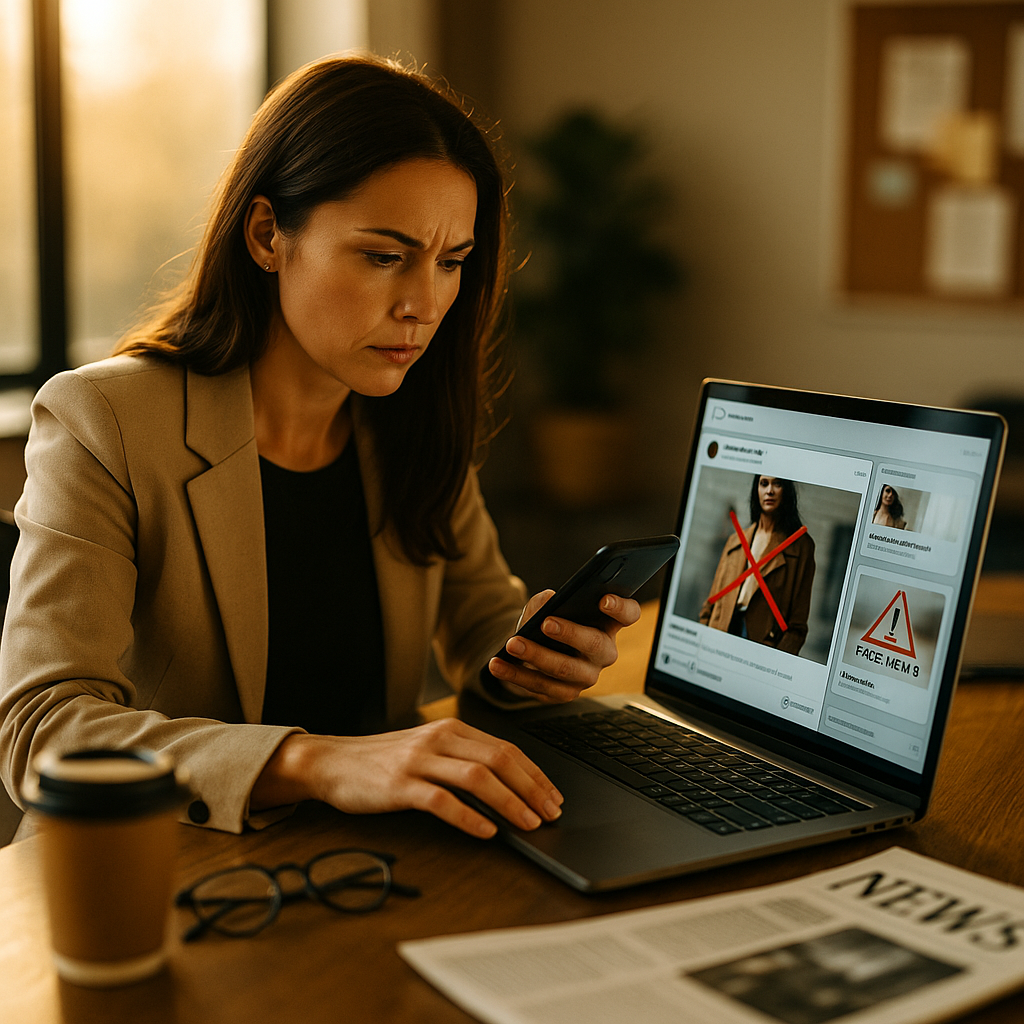
In 2026, brand trust can unravel in hours when false claims spread faster than facts. This case study on viral misinformation crisis management shows how one fashion label contained reputational damage, protected customers, and rebuilt credibility through speed, evidence, and disciplined communication. What actually worked, and which mistakes nearly made the situation worse?
Fashion brand crisis management: The background and the first 24 hours
A mid-sized direct-to-consumer fashion label, known for sustainable basics and limited seasonal drops, woke up to a crisis no marketing team wants to face. A viral post on short-form video platforms claimed the brand used unsafe chemicals in its fabrics and hid the source of its manufacturing. The post included edited screenshots, a mislabeled supplier document, and emotional commentary that encouraged users to boycott immediately.
Within hours, customer support tickets surged, return requests increased, influencers paused scheduled collaborations, and retail partners asked for clarification. The brand’s leadership initially faced a familiar temptation: stay quiet until legal counsel completed a review. That would have been a costly mistake. In a misinformation event, silence often looks like guilt, especially when audiences expect near real-time responses.
The company activated a cross-functional response team within two hours. That team included executives from communications, legal, customer care, supply chain, social media, and e-commerce. This structure mattered because a misinformation crisis is never just a PR issue. It affects operations, paid media, customer retention, wholesale relationships, and employee morale at the same time.
The team’s first move was not to argue online. It was to establish facts and assign decision rights. They built a rapid-response document covering:
- What claims were circulating
- Which claims were false, misleading, or unverified
- What proof the company already had on hand
- What proof still needed validation from suppliers and labs
- Who could approve public statements
- Which channels required immediate updates
This calm, evidence-first approach reflects strong EEAT principles. The label did not rely on vague brand language. It prepared verifiable information, designated subject-matter experts, and focused on transparency. That foundation shaped everything that followed.
Social media misinformation response: How the label stopped panic from spreading
The crisis accelerated because the original post triggered reaction content. Some creators repeated the allegations without checking sources. Others added unrelated accusations, expanding the story into a broader attack on the brand’s ethics. The label knew it could not reply to every mention. Instead, it prioritized high-impact interventions.
First, it posted a concise holding statement across its most active channels. The statement acknowledged the concern, confirmed that the brand was reviewing the claims urgently, and promised evidence-based updates. This was important because it showed responsiveness without making unsupported promises. It also reduced speculation from loyal customers who were waiting for direction.
Second, the brand created a central information page on its website and linked all social responses to it. That page became the source of truth. It included plain-language explanations about material safety standards, manufacturing partners, product testing, and current findings. Rather than burying answers in legal wording, the page was written for shoppers, journalists, and retail buyers.
Third, the social team categorized mentions into three groups:
- Customers seeking honest answers
- Creators sharing misinformation unknowingly
- Accounts acting in bad faith or encouraging harassment
Each group received a different response. Genuine customer concerns got empathetic replies and links to the evidence hub. Misinformed creators received direct outreach with corrected documentation and an offer to speak with the head of sourcing. Bad-faith accounts were monitored, documented, and in some cases reported under platform policies.
This targeted approach prevented the team from wasting energy on arguments that would only amplify the false narrative. It also helped the label maintain tone discipline. In fast-moving digital crises, brands often damage themselves by sounding defensive, sarcastic, or dismissive. This label stayed factual and calm, which made its corrections easier to trust.
One practical lesson stands out: speed matters, but message architecture matters more. The label used three repeatable points in every public answer:
- We take the concern seriously
- Here is what we can verify right now
- Here is where we will publish updates
That consistency reduced confusion across channels and improved search visibility for the brand’s own explanation.
Online reputation management: Using proof, experts, and transparency to regain trust
By day two, the label had enough verified documentation to move from response mode into reputation recovery. This phase required more than a statement from the founder. The company had to demonstrate expertise and trustworthiness in ways that independent observers could evaluate.
It published third-party lab certifications, compliance summaries, and supply-chain verification documents. It also added commentary from qualified internal experts, including the head of quality assurance and the director of sourcing. Their names, roles, and responsibilities were clearly stated. This strengthened perceived experience and expertise because audiences could see who was accountable for the facts being shared.
The brand then hosted a live briefing for media, wholesale partners, and selected creators. Instead of giving a polished marketing pitch, it walked attendees through the origin of the false claim, the supporting evidence that disproved it, and the safeguards used in product development. Questions were answered directly, including uncomfortable ones about supplier oversight and document accessibility.
Transparency worked because it was specific. For example, the label admitted one operational weakness: some compliance records were not easily accessible on the website before the crisis. That gap did not validate the misinformation, but it did explain why customers found the brand harder to trust in the moment. By acknowledging this issue and fixing it publicly, the company turned a weakness into evidence of accountability.
Search results were another battleground. The communications team optimized the evidence hub, FAQ content, media statements, and executive commentary so that accurate pages would rank for the brand name plus the allegations. This SEO layer is often overlooked in crisis response, yet it is critical. Many consumers verify rumors through search before they buy, return, or recommend a product.
To reinforce credibility, the company encouraged journalists and partners to review the original documents themselves. It did not ask for blind trust. It invited scrutiny. That is a strong EEAT signal in any sensitive topic: provide sources, explain methodology, and make it easy for people to check the claim independently.
Consumer trust recovery strategy: Supporting customers, partners, and employees
Many brands focus narrowly on public optics and forget the audiences most affected by a misinformation storm. This fashion label did the opposite. It understood that trust recovery depends on what customers, partners, and employees experience directly after the headline fades.
For customers, the brand expanded support hours, trained agents with a detailed response script, and created a dedicated contact route for safety and sourcing questions. Customers were not passed between departments. They received clear answers, refund options where needed, and follow-up emails linking to updated evidence.
For wholesale and retail partners, the brand sent a private briefing pack with compliance documents, talking points for store staff, and a channel for urgent questions. This prevented fragmented messaging at the point of sale. It also reassured partners that the company was treating the issue as a business risk, not just a social media flare-up.
Internally, leadership addressed employees early. That mattered. Staff members were seeing the same viral claims as everyone else, and some were being questioned by friends or customers directly. The company held an all-hands meeting, shared verified facts, explained response steps, and reminded teams about escalation protocols. Employees became informed ambassadors rather than anxious bystanders.
The label also paused promotional content for several days. This choice protected brand perception. Running cheerful campaign posts during a credibility crisis would have looked disconnected from reality. Once the company resumed marketing, it did so carefully, weaving educational content into product storytelling instead of pretending nothing had happened.
Another smart move was customer listening. The team tracked recurring concerns in comments, support tickets, and search queries, then updated the FAQ page daily. This made the response more useful over time. Helpful content is not static. It evolves based on what real users still need to know.
Brand crisis communication plan: The turning point and measurable outcomes
The turning point came when several creators who had shared the original allegations updated or removed their posts after reviewing the evidence. A respected retail industry newsletter also summarized the documentation and noted that the viral claims lacked credible support. The public narrative did not reverse instantly, but it began to stabilize.
Over the following weeks, the label tracked a set of practical metrics:
- Share of negative versus neutral and positive mentions
- Return request volume tied to the allegations
- Customer support resolution time
- Traffic to the evidence hub and FAQ pages
- Search result visibility for branded crisis-related queries
- Retail partner retention and influencer campaign recovery
The data showed a clear pattern. Fast acknowledgment reduced early speculation. Centralized information improved response consistency. Expert-backed documentation increased journalist confidence. Search-optimized clarification content helped the brand reclaim discovery. Most importantly, operational support for customers and partners prevented short-term panic from turning into long-term loyalty loss.
The label did not claim total victory. Some reputational residue remained, as it usually does after a widely shared falsehood. But the company contained the damage and reestablished credibility because it treated misinformation as a trust systems problem, not merely a messaging problem.
Its updated crisis communication plan now includes:
- A prebuilt evidence hub template
- Named internal experts for product, sourcing, and safety issues
- Channel-specific holding statements approved in advance
- A social listening escalation model based on reach and intent
- Search and SEO workflows for crisis-related content
- Partner and employee communication packs ready for rapid deployment
That preparation is the core lesson. In 2026, brands cannot assume good products alone will protect them. They need documented proof, expert visibility, and a response system designed for the speed of platform-driven narratives.
Crisis prevention for fashion brands: What others should copy from this case study
Fashion brands are especially vulnerable to misinformation because supply chains are complex, visual content spreads quickly, and values-based buying decisions can shift overnight. The strongest defense starts long before a crisis trends.
First, make trust assets easy to find. If customers have to dig for sourcing information, safety standards, or certification details, bad actors can fill the gap with speculation. Publish core facts in clear language and keep them updated.
Second, assign expert voices in advance. Founders are not always the best spokespeople for technical claims. A quality lead, compliance officer, or sourcing director may carry more authority when the issue involves materials, testing, or manufacturing.
Third, connect SEO with crisis planning. When a rumor breaks, consumers search immediately. Brands should be ready to publish indexable pages that answer the exact questions people are asking. Helpful content should include evidence, dates, named sources, and straightforward explanations.
Fourth, train customer-facing teams. Support agents, community managers, retail staff, and account managers all shape trust during a crisis. They need the same facts, the same escalation process, and permission to respond quickly.
Finally, avoid the instinct to over-lawyer the first response. Legal review matters, but messaging that sounds evasive can deepen suspicion. The most effective approach combines caution with clarity: acknowledge the concern, share what is verified, explain what is being investigated, and commit to updates.
This case study shows that a fashion label can navigate a viral misinformation crisis without resorting to denial, aggression, or spin. The path forward is disciplined transparency backed by evidence and delivered consistently across every touchpoint.
FAQs about viral misinformation crisis response
What is a viral misinformation crisis for a fashion brand?
It is a situation where false or misleading claims about a brand spread rapidly online and begin affecting customer trust, sales, partnerships, or reputation. In fashion, these claims often involve product safety, labor conditions, sourcing, or sustainability.
What should a fashion label do first when misinformation starts spreading?
Activate a cross-functional response team, verify the facts, publish a brief holding statement, and create a central page for updates. Do not argue impulsively or wait too long to acknowledge public concern.
Why is EEAT important during a misinformation crisis?
EEAT helps brands show experience, expertise, authoritativeness, and trustworthiness. During a crisis, that means using named experts, verifiable documents, transparent explanations, and clear sourcing so audiences can evaluate the information confidently.
How can SEO help during a brand reputation crisis?
SEO helps accurate information appear when users search for the brand and the allegation. Optimized FAQs, evidence hubs, statements, and expert pages can reduce the visibility and impact of misleading content in search results.
Should a brand respond to every misleading social media post?
No. Brands should prioritize by reach, influence, and intent. Focus on customers with genuine questions, creators who may correct the record, and high-visibility posts that shape public perception. Avoid feeding bad-faith engagement.
How long does consumer trust recovery usually take?
It depends on the severity of the claim, the quality of the evidence, and the brand’s response speed. Some damage can be contained in days, but full trust recovery may take weeks or months and usually requires ongoing transparency.
What documents should fashion brands have ready before a crisis?
They should maintain updated certification records, supplier verification documents, product testing summaries, compliance statements, internal expert contacts, and approved holding statements for likely risk scenarios.
Can a misinformation crisis become an opportunity?
Yes, if the brand uses it to improve transparency, make trust assets more accessible, and demonstrate accountability. The goal is not to exploit the crisis, but to emerge with stronger systems and more credible public communication.
This case study proves that a fashion label can withstand a viral misinformation crisis when it responds with speed, evidence, and disciplined transparency. The winning formula is simple to state and hard to execute: verify facts, centralize updates, empower experts, support stakeholders, and optimize accurate content for discovery. In 2026, trust belongs to brands that prepare before rumors explode.