


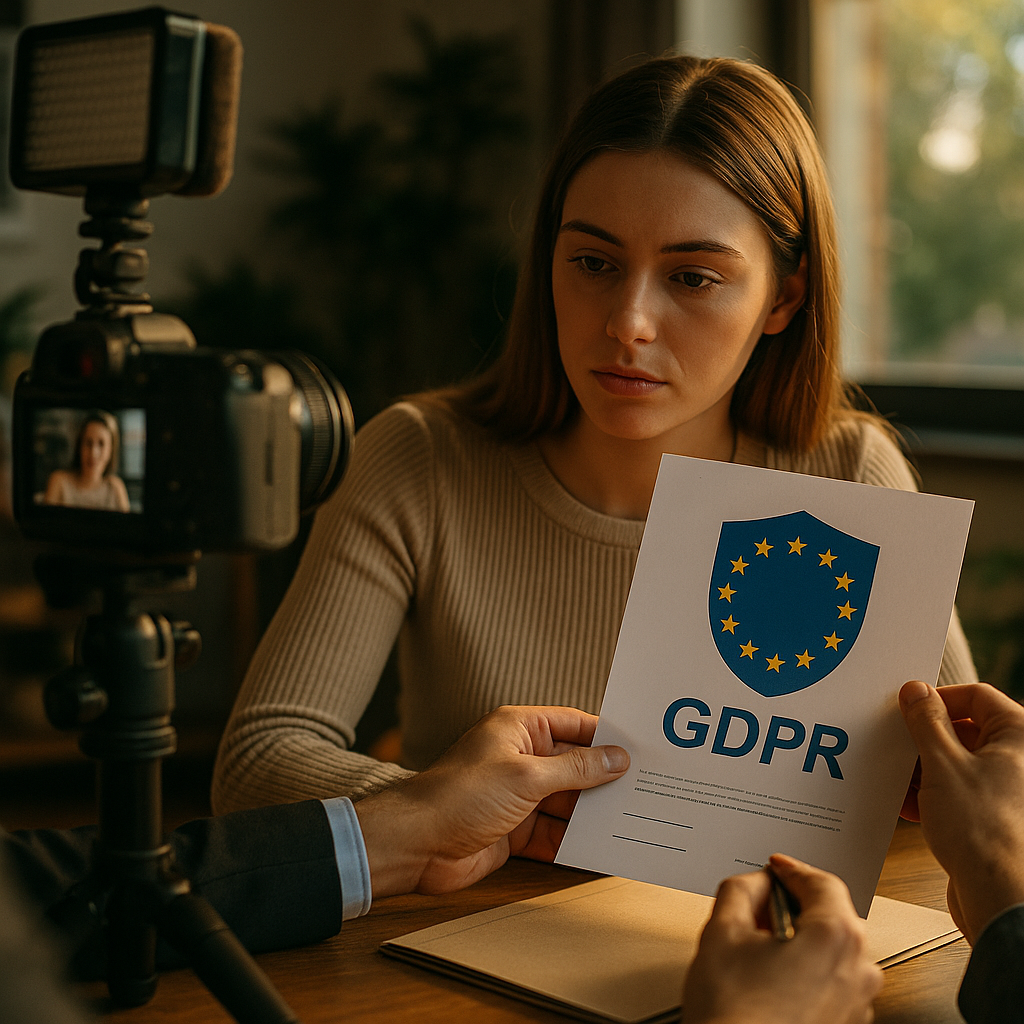
Influencer marketing is booming in the European Union, but GDPR and data privacy for influencer campaigns in the EU present distinct challenges. Brands and creators must navigate complex regulations carefully or risk severe penalties. What practical steps can you take to ensure your campaigns comply—and build genuine trust with your European audience?
Understanding GDPR Requirements for Influencer Campaigns
The General Data Protection Regulation (GDPR) is the EU’s gold standard for data privacy, impacting every facet of digital marketing, including influencer campaigns. While influencers foster engagement and authenticity, campaigns often involve personal data collection, sharing, and processing. GDPR defines personal data broadly, covering everything from names and emails to social media handles and even IP addresses.
If your influencer collaborations gather or process identifiable information from EU residents—be it contest entries, user-generated content, or analytics—you are subject to GDPR. Both brands and influencers can be “data controllers” or “processors.” Identifying your role is crucial, as legal responsibilities may shift. Consent, transparency, and user rights must guide every aspect of your data strategy.
The Importance of Transparent Data Collection in Influencer Partnerships
Transparent data collection is a legal and ethical priority. Before launching influencer campaigns, brands need to communicate clearly with all stakeholders, including the influencers themselves and the end-users whose information may be collected. Before collecting data for campaign participation, audience engagement, or analytics, you must inform users about what data is collected, how it will be used, and their rights.
A detailed privacy notice is not optional—it’s a GDPR requirement. For campaign-specific activities (e.g., giveaways run jointly by a brand and influencer), outline specifics such as data retention times, data sharing partners, and users’ rights to access or erase their information. Influencers should be briefed and equipped with campaign FAQs, so they can address questions from their followers confidently and consistently.
Obtaining and Managing Lawful Consent for Influencer Campaign Data
Consent is one of the most common legal bases for processing personal data during influencer activities. However, GDPR sets a high bar: consent must be freely given, specific, informed, and unambiguous. Pre-ticked boxes or bundled consents are not sufficient.
Consider this approach for best practice:
- Provide clear, accessible consent forms whenever data is collected via a campaign—for example, a sign-up form linked in an influencer’s Instagram Story.
- Record and manage consent meticulously, including withdrawal requests. Every user should have a simple way to retract their permission.
- Coordinate with influencers to ensure wording matches across all campaign entry points. Mixed messaging can expose you to regulatory scrutiny.
Strengthen compliance by adopting double opt-in processes (especially for newsletters or contest entries), and log time-stamped records of every consent received.
Data Sharing, Third Parties, and Cross-Border Transfers in EU Influencer Campaigns
Influencer campaigns routinely involve data sharing: brands, agencies, and influencers may all access campaign data, and analytics tools or platforms (such as TikTok or Instagram Insights) may process audience information. Under GDPR, every party must be contractually bound by data processing agreements specifying responsibilities and security measures.
When data leaves the EU—for example, if a cloud analytics partner is based outside the European Economic Area (EEA)—specific protocols must be followed. In 2025, the EU still expects companies to use “adequate” safeguards, such as Standard Contractual Clauses (SCCs) or approved certifications.
- Review supply chains: Know where servers are located and what subprocessors are used.
- Communicate cross-border data transfers clearly in privacy notices.
- Conduct Data Protection Impact Assessments (DPIAs) for larger or riskier campaigns involving novel tech or profiling.
Collaborative influencer efforts require mutual trust and shared accountability—never assume your partners are already compliant.
Building Audience Trust: User Rights and Best Practices for Data Privacy
Long-term brand success hinges on user trust. GDPR grants powerful rights to individuals—access, rectification, erasure (“the right to be forgotten”), restriction of processing, data portability, and objection. Your campaign infrastructure must be agile enough to recognize and act on user requests efficiently.
Demonstrating your respect for data privacy can enhance campaign performance. Effective best practices include:
- Providing accessible contact points for privacy inquiries during campaigns.
- Training influencers and customer service staff to manage privacy-related questions and requests consistently.
- Minimizing data: Collect only what’s necessary for campaign goals and delete it responsibly when no longer required.
- Reviewing analytics tools: Ensure vendors are GDPR-compliant and set up only privacy-safe tracking.
Active compliance is a brand builder. In 2025, consumers are highly privacy-aware—and more willing than ever to reward businesses that prioritize their rights.
Risk Management and Avoiding Common Compliance Mistakes
The financial and reputational risks of GDPR violations are significant. EU authorities have demonstrated their willingness to levy substantial fines for influencer and marketing campaigns that fall short. Often, mistakes stem from poor documentation, ambiguous consent, and mismanaged third-party relationships.
To mitigate risks:
- Document every stage of the data journey, from collection through deletion.
- Audit campaign processes regularly and update privacy notices for each new initiative.
- Establish rapid response protocols for potential data breaches—including internal training for influencers and partners.
In 2025’s fast-moving digital environment, sustainable influencer strategies are always grounded in proactive, transparent compliance with GDPR.
Conclusion: GDPR Compliance Is the New Standard for Influencer Success
Adhering to GDPR and data privacy for influencer campaigns in the EU is no longer optional—it’s the foundation of sustainable growth and credibility. By prioritizing transparent data handling and user rights, brands can maximize campaign effectiveness and foster meaningful, lasting relationships with their audiences.
FAQs: GDPR and Data Privacy for Influencer Campaigns in the EU
-
Do influencers themselves need to comply with GDPR?
Yes, if influencers are collecting or processing personal data from EU residents—such as for contests or direct messages—they must follow GDPR requirements just like brands. -
What kind of personal data is gathered in influencer campaigns?
Common data includes social media handles, email addresses, names, photos, contest entries, and sometimes demographic details collected through analytics or campaign sign-up forms. -
Can I use analytics platforms safely under GDPR?
Yes, but only by ensuring the analytics vendor complies with GDPR (e.g., offering data processing agreements and privacy-safe tracking) and by being transparent with users about what data is collected and processed. -
How should consent be obtained for influencer-led data collection?
Consent must be explicit: ask users to actively agree to each specific use of their data, allow easy withdrawal, and keep clear records of each consent given. -
What happens if I fail to comply with GDPR in an influencer campaign?
Non-compliance can lead to steep fines, legal action, and loss of audience trust. Regularly audit your practices and partner only with influencers who understand privacy obligations.