


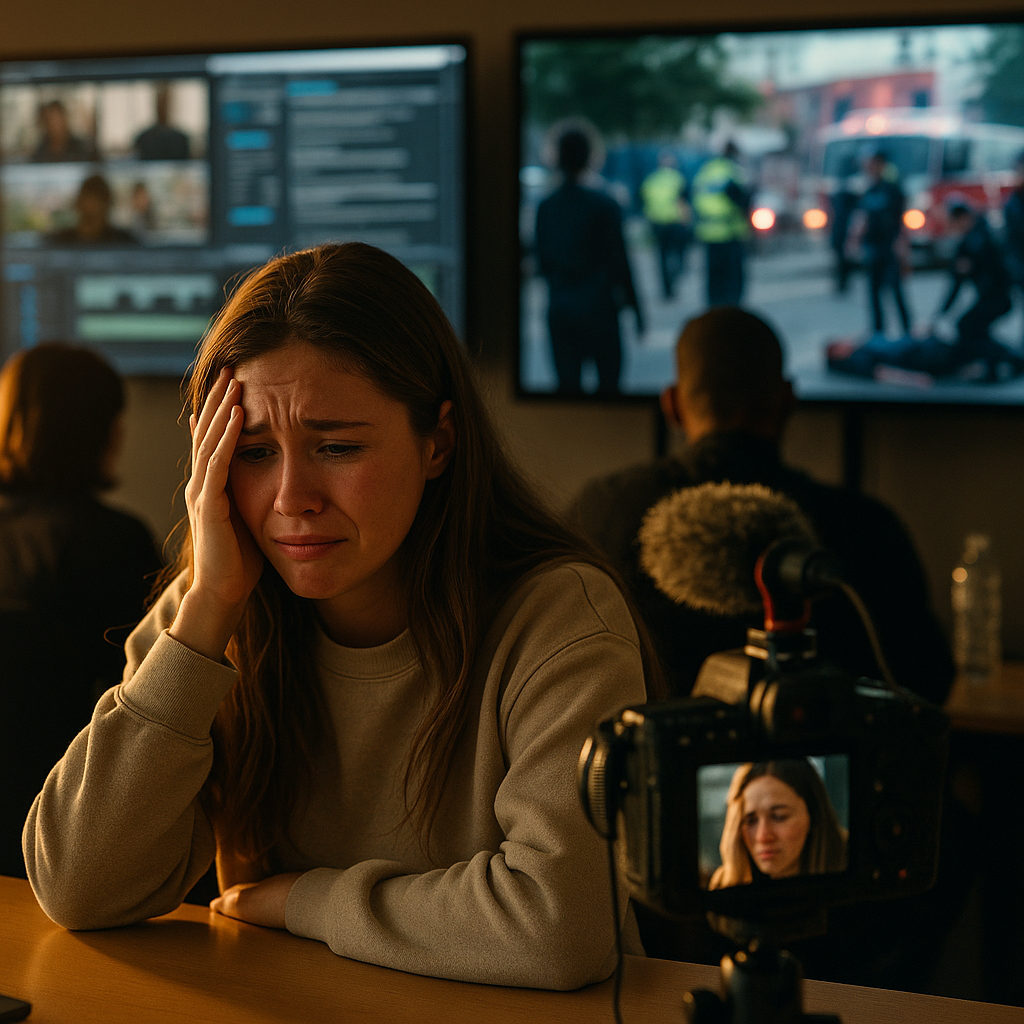
Crisis simulation is a cornerstone of robust risk management, especially when influencers are integrated into brand identity. Brands partnering with digital creators face unique risks of public backlash. Learning to anticipate and manage influencer scandals through realistic scenario training can mean the difference between quick recovery and lasting reputational damage. How prepared is your team to navigate the next influencer crisis?
Understanding the Risks: Why Influencer Crisis Simulation Matters
The influencer marketing landscape continues to expand in 2025, attracting brands from every industry. However, the personal nature of influencer content means missteps—whether ethical lapses, controversial opinions, or inappropriate behavior—can quickly escalate into full-blown scandals. According to a recent Influencer Marketing Hub report, over 70% of marketers rank reputational risk as their top concern when working with influencers. Training teams through crisis simulation is now essential, equipping staff with the skills to respond rapidly, protect brand reputation, and minimize operational disruptions.
Scenario Planning: Building Realistic Influencer Scandal Simulations
Effective crisis simulation begins with the creation of scenarios that mirror real-life influencer scandals. Drawing upon recent public incidents, brands can build simulations that reflect:
- Unexpected influencer remarks triggering public outrage
- Exposure of undisclosed sponsorships violating regulatory guidelines
- Allegations of unethical influencer behavior, from plagiarism to fraud
- Media amplification of negative sentiment on social channels
By collaborating with PR specialists, legal advisors, and social media managers, organizations ensure simulations are comprehensive and challenging. Leveraging realistic details—like actual social media timelines, multimedia content, and authentic press releases—heightens the training’s relevance, enabling teams to practice rapid decision-making under pressure.
Key Components of Crisis Response: Training Your Communications Team
Communications teams play a pivotal role in mitigating influencer scandals. Effective crisis response training covers:
- Social listening and early detection: Teaching staff to monitor sentiment and identify early warning signs through AI-driven tools.
- Message crafting and approvals: Developing clear, consistent messaging that aligns with brand values and passing it through fast-track legal review.
- Channel selection and timing: Choosing the appropriate digital platforms and press outlets to issue the first statement, maintaining control of the narrative.
- Stakeholder engagement: Communicating transparently with internal teams, influencers, and agency partners to ensure alignment and accountability.
Frequent drills ensure these skills are second nature, improving confidence and boosting response speed when genuine crises occur.
Social Media Management During a Scandal: Practical Tactics and Technologies
During an influencer crisis, social media management becomes the front line. The ability to monitor conversations, flag emerging themes, and respond to misinformation is crucial. In 2025, advanced sentiment analysis and AI-moderated dashboards allow teams to:
- Pinpoint viral threads and respond proactively
- Automate initial holding statements for rapid reassurance
- Deploy influencer partners to amplify positive brand messaging
- Document real-time public feedback for post-crisis analysis
Teams also receive training in visual content management, learning how to issue apology videos, clarify branded content, and monitor influencer follow-ups. These best practices ensure transparency, positioning brands as responsive and responsible.
Evaluating Outcomes: Measuring and Improving Crisis Simulation Performance
No crisis simulation is complete without rigorous debrief and evaluation. By analyzing:
- The speed and clarity of response actions
- The coherence and accuracy of messaging
- The effectiveness of stakeholder updates
- Data from post-simulation surveys
Organizations gain actionable insights for future trainings. Benchmarking against industry response times and analyzing real-world incident outcomes helps set measurable improvement targets. In 2025, brands are encouraged to adopt a culture of continuous learning, adapting simulations as influencer trends and platforms evolve.
Best Practices: Fostering a Proactive Influencer Risk Culture
Embarking on crisis simulation isn’t just about preparing for the worst—it unlocks a proactive influencer risk management culture. Encourage your people to:
- Regularly update crisis playbooks as influencer platforms and regulations shift
- Integrate influencer vetting and monitoring into ongoing marketing processes
- Promote cross-team collaboration between PR, legal, HR, and social media
- Schedule recurring “surprise” simulations to maintain high readiness
Leaders who invest in robust, dynamic training will see faster recoveries and strong brand loyalty—even when challenged by influencer missteps.
FAQs: Crisis Simulation for Influencer Scandals
-
What is crisis simulation for influencer scandals?
Crisis simulation for influencer scandals is an immersive training exercise that helps teams practice responding to incidents involving digital creators or ambassadors, minimizing brand risk and enhancing response agility. -
How often should brands run influencer crisis simulations?
At a minimum, brands should run simulations biannually, with additional drills prompted by high-profile industry scandals or internal changes to teams or protocols. -
What tools enhance social media monitoring during a crisis?
AI-powered sentiment analysis, real-time dashboards, and automated moderation tools improve issue detection, triage, and response coordination. -
Can simulations help prevent crises?
While simulations cannot prevent influencer missteps, they dramatically improve a team’s ability to detect, contain, and recover from crises, significantly reducing reputational impact. -
Who should participate in influencer crisis simulations?
Effective simulations involve communications, PR, legal, HR, and social media teams, as well as relevant executive and influencer management staff.
In 2025, crisis simulation is not optional for any brand harnessing influencer partnerships. The teams that embrace detailed, actionable training are better prepared to protect reputation and lead authentically through inevitable storms. Invest in proactive crisis readiness to turn potential disasters into opportunities for trust and resilience.