


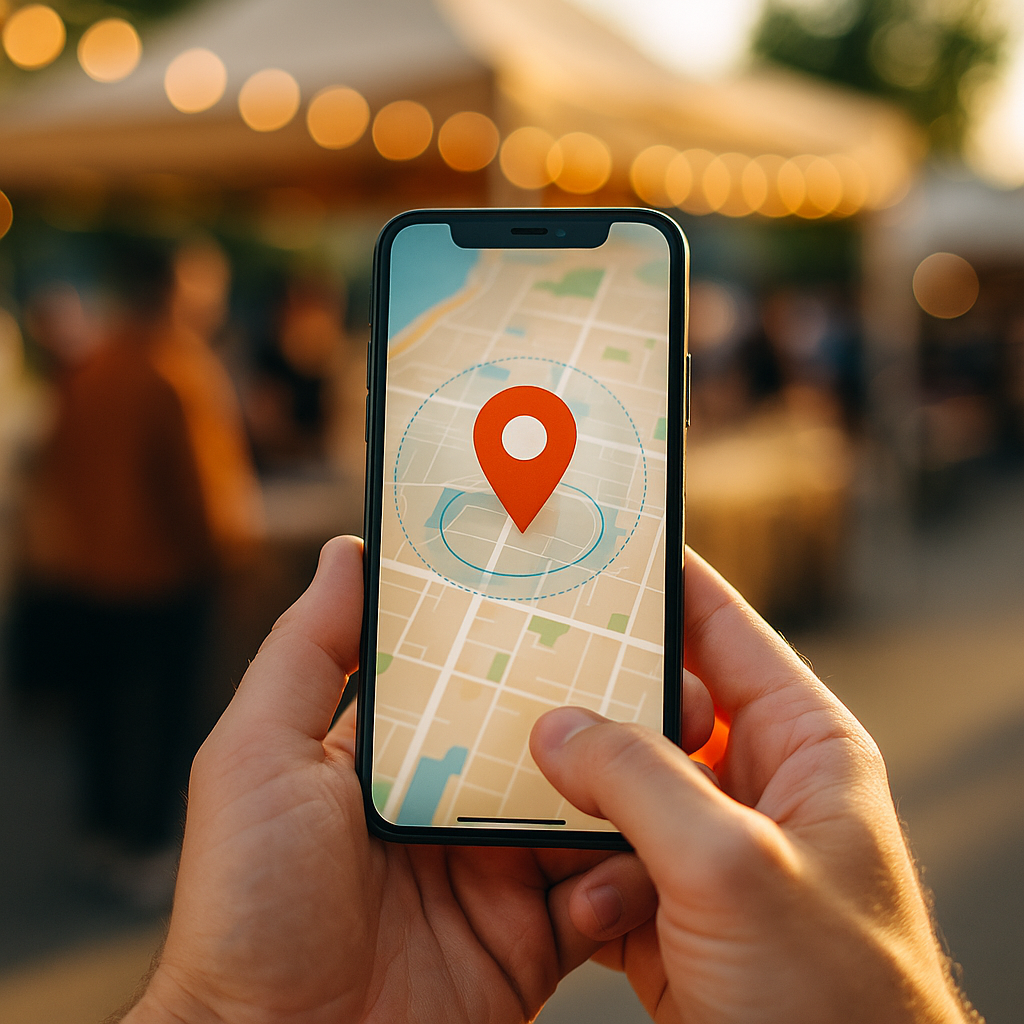
Mastering Location-Based Marketing For Pop-Up Event Success means reaching people at the right place and moment, not blasting generic ads. In 2025, privacy expectations are higher, foot traffic is more fluid, and attention is scarce—yet pop-ups still win when they feel timely and local. This guide shows how to plan, target, measure, and improve without guesswork. Ready to turn nearby intent into real-world lines?
Location-based marketing strategy: start with goals, audience, and context
A pop-up succeeds when it solves a specific local job for a specific group. Before choosing tools, define the outcome you will measure and optimize. If the goal is revenue, track in-person transactions and average order value. If the goal is awareness, track unique visitors, repeat visits, and email/SMS opt-ins. If the goal is product discovery, track samples claimed, demos completed, and assisted conversions.
Then map the audience by context, not only demographics. People near your venue can be in different mindsets: commuters trying to get home, lunch-break browsers, weekend families, or tourists exploring. A strong plan anticipates what they need and when they need it.
Practical planning checklist
- Define one primary KPI and two supporting KPIs (example: net sales, footfall, and opt-ins).
- Write a one-sentence value proposition that makes sense within 3 seconds of seeing it on a phone screen.
- Choose a “moment” to own (pre-work coffee rush, post-gym, lunch, after-school, pre-concert, weekend market peak).
- Build a local offer ladder: a low-friction hook (free sample), a mid-tier conversion (bundle), and a reason to return (limited drop).
- Confirm operational constraints: staffing, inventory, queue flow, POS connectivity, and accessibility.
Location-based tactics work best when your message matches the nearby situation. “Two streets away” is not a value proposition. “Two streets away, skip the line with mobile pickup” is.
Geofencing for pop-up events: choose smart boundaries and timing
Geofencing is the practice of defining a virtual perimeter around a place and triggering ads, notifications, or measurement when people enter or dwell within it. For pop-ups, the best geofences are not always tight circles around your venue. You want boundaries that align with how people move and decide.
Set geofences around intent, not just geography
- Primary zone: a short-walk radius around the pop-up to capture high-intent foot traffic.
- Feeder zones: transit stops, parking garages, office clusters, hotels, and venue entrances that naturally funnel people toward you.
- Competitive zones (with care): nearby category competitors or complementary stores. Use respectful creative that highlights your unique benefit rather than naming rivals.
- Event zones: concerts, sports arenas, conferences, farmers markets—places where timing and crowd mood amplify results.
Use time windows to avoid wasted spend
Run ads heavier when people are most likely to act: 60–120 minutes before peak footfall, then taper. If your pop-up is open 10 a.m.–6 p.m., you may still want a pre-open burst targeting commuters who will pass later and a late-afternoon burst for after-work shoppers.
Make creative match the zone
- Near-zone message: “Walk 4 minutes. Show this screen for a free add-on.”
- Feeder-zone message: “On your way to the station? Grab a gift in 5 minutes—fast checkout.”
- Event-zone message: “Doors open at 7. Stop by before the show for limited merch.”
Answer the obvious question: how tight should the fence be? Tight fences reduce irrelevant impressions but can miss people across a busy road or inside large buildings. Start with a practical walking distance, test two radii, and choose the one that yields the best cost per store visit or cost per redemption.
Proximity marketing with beacons and Wi-Fi: create in-the-moment experiences
When someone is already at your pop-up, the goal shifts from “get them in” to “help them buy, share, and return.” Proximity marketing uses close-range signals (beacons, QR codes, Wi‑Fi landing pages, and in-app triggers) to deliver guidance, offers, and content while they browse.
Use proximity touchpoints to reduce friction
- QR-led navigation: a simple “Start here” QR that opens a mobile page with the menu, pricing, and best-sellers.
- Instant assistance: a “Text us for sizing help” or “Tap to book a 10-minute consult” link for high-consideration products.
- Fast checkout: mobile pay links, digital receipts, and line-busting tablets.
- Post-visit follow-up: deliver the promised perk (download, care guide, recipe, warranty registration) in exchange for opt-in.
Beacons: effective when integrated
Bluetooth beacons can trigger messages in compatible apps, but they are rarely a standalone solution. They perform best when you already have an app or partner app ecosystem and a clear value exchange, such as “tap to unlock today’s drop” or “scan to join the queue and get notified.” If you do not have an app, prioritize QR flows and SMS opt-ins—both are fast to deploy and easier for guests to understand.
Wi‑Fi: treat it as a service, not a trap
If you offer guest Wi‑Fi, keep the landing page simple and transparent. Say what data you collect and why. Give a tangible benefit—exclusive content or a small perk—without forcing unnecessary fields. In 2025, trust is a conversion lever.
Mobile ads and local SEO: capture intent before and during the pop-up
Many pop-up visitors decide to attend after a quick search, a map check, or a social scroll. Your location-based plan should combine paid reach with high-intent discovery so people can find you instantly and feel confident showing up.
Local SEO essentials for pop-ups
- Create a dedicated landing page with address, dates, hours, transit/parking notes, accessibility info, and a clear offer.
- Use structured details on-page: embed the map, include neighborhood references, and answer “Is it open now?” plainly.
- Publish short FAQs on the page: return policy, payment types, wait times, and whether reservations are needed.
- Update listings where possible: if you can set up a temporary location profile, keep hours accurate and add photos that match the current setup.
Paid media that respects local intent
- Map-based and near-me campaigns: prioritize formats that show distance and directions.
- Click-to-message and click-to-call: great for “Is it still in stock?” and “How long is the line?” moments.
- Short video: demonstrate the experience in 6–15 seconds, then deliver a simple CTA: “Walk in today.”
- Retargeting with limits: keep frequency reasonable and stop ads after the event ends to protect brand trust.
Answer the follow-up: what offer works best? For pop-ups, the strongest offers are immediate and verifiable: “Show this screen,” “Scan at the door,” or “Use this code at checkout.” Avoid complex rebate-style offers that require later steps.
Foot traffic attribution and ROI: measure what matters without over-collecting
Pop-ups move fast. You need measurement that is accurate enough to guide decisions while staying aligned with privacy expectations. The goal is not perfect tracking; it is actionable tracking.
Build a measurement stack you can run in a week
- Offer redemption: track unique codes by channel (geofence ad, influencer story, email, QR poster).
- POS tags: add campaign identifiers at checkout so sales tie back to tactics.
- On-site counts: simple door counters or hourly manual tallies to understand peaks and staffing needs.
- Opt-in growth: SMS/email sign-ups tied to specific entry points (Wi‑Fi, QR menu, receipt link).
- Store-visit reporting: if your ad platforms provide aggregated visit estimates, use them directionally, not as the only source of truth.
Define ROI in pop-up terms
Calculate direct ROI (gross margin from pop-up sales minus media and operating costs) and also track future value from opt-ins and repeat purchases. If you sell high-consideration items, you may see a lag between visit and online conversion. Use a post-event email/SMS sequence with a clear attribution method (unique link or code).
Privacy and consent: make it explicit
Explain what people are opting into and how often you will contact them. Provide a simple opt-out. Avoid collecting sensitive location data from individuals unless you have a clear, compliant basis and a real customer benefit. In 2025, the brands that win locally are the brands that are easy to trust.
Hyperlocal personalization and partnerships: scale relevance beyond the venue
Once the basics are working, elevate performance by making the pop-up feel like it belongs in that neighborhood. Hyperlocal personalization is not about naming the city in an ad; it is about aligning with local habits, complementary businesses, and community calendars.
Neighborhood-level creative that performs
- Reference real landmarks (“Across from the public library”) to reduce uncertainty.
- Show real entry points (a photo of the storefront, door, and signage) so first-timers find you quickly.
- Use local timing cues (“After the matinee,” “Before the game,” “Lunch break special”).
Partner for borrowed trust
- Complementary retailers: cross-promote with a nearby coffee shop, gym, salon, or boutique.
- Hotels and coworking spaces: offer concierge cards or lobby signage for visitors looking for local experiences.
- Community creators: choose micro-influencers who actually spend time in the area and can give precise directions and honest expectations.
- Local organizations: align with a neighborhood association or cause partner to add meaning and credibility.
Answer the follow-up: how do you keep it authentic? Use partnerships that match your product and audience, and keep the offer simple. If the partner would not recommend you without the deal, the collaboration will feel transactional—and shoppers will notice.
FAQs
What is location-based marketing for pop-up events?
It is the use of geographic signals—like where someone is, where they have been (in aggregated ways), or what places they are near—to deliver timely ads, offers, and information that drive visits and sales during a limited-time event.
How far should my geofence radius be?
Start with a walkable radius that matches your area density. Test a smaller “close intent” radius and a larger “awareness” radius, then keep the one that lowers cost per redemption or cost per visit while maintaining quality foot traffic.
Do I need an app to run proximity marketing?
No. If you do not have an app, use QR codes, mobile landing pages, and SMS opt-ins. These tools deliver most of the on-site benefits—menus, offers, queue updates, and follow-ups—without app installation friction.
What offers work best for driving immediate foot traffic?
Instant, verifiable offers: “Show this screen,” “Scan this QR at the door,” or “Use this code today.” Add urgency carefully (limited drop, limited hours) and make redemption effortless.
How can I measure success if store-visit tracking is imperfect?
Use multiple signals: door counts, offer redemptions, POS campaign tags, opt-in sources, and post-event conversions using unique links or codes. Look for consistent direction across metrics rather than relying on one number.
How do I stay compliant with privacy expectations in 2025?
Be transparent about data use, collect only what you need, and rely on consent-based channels (SMS/email) for ongoing communication. Use aggregated reporting for location insights when possible, and stop campaigns promptly when the event ends.
Location-based marketing turns a pop-up from a temporary store into a timely local experience. Set clear goals, build smart geofences, and pair paid reach with local SEO so people can find you fast. Use on-site proximity tactics to reduce friction, then measure with redemptions and opt-ins to prove ROI. In 2025, relevance plus transparency wins—start small, test quickly, and optimize daily.