


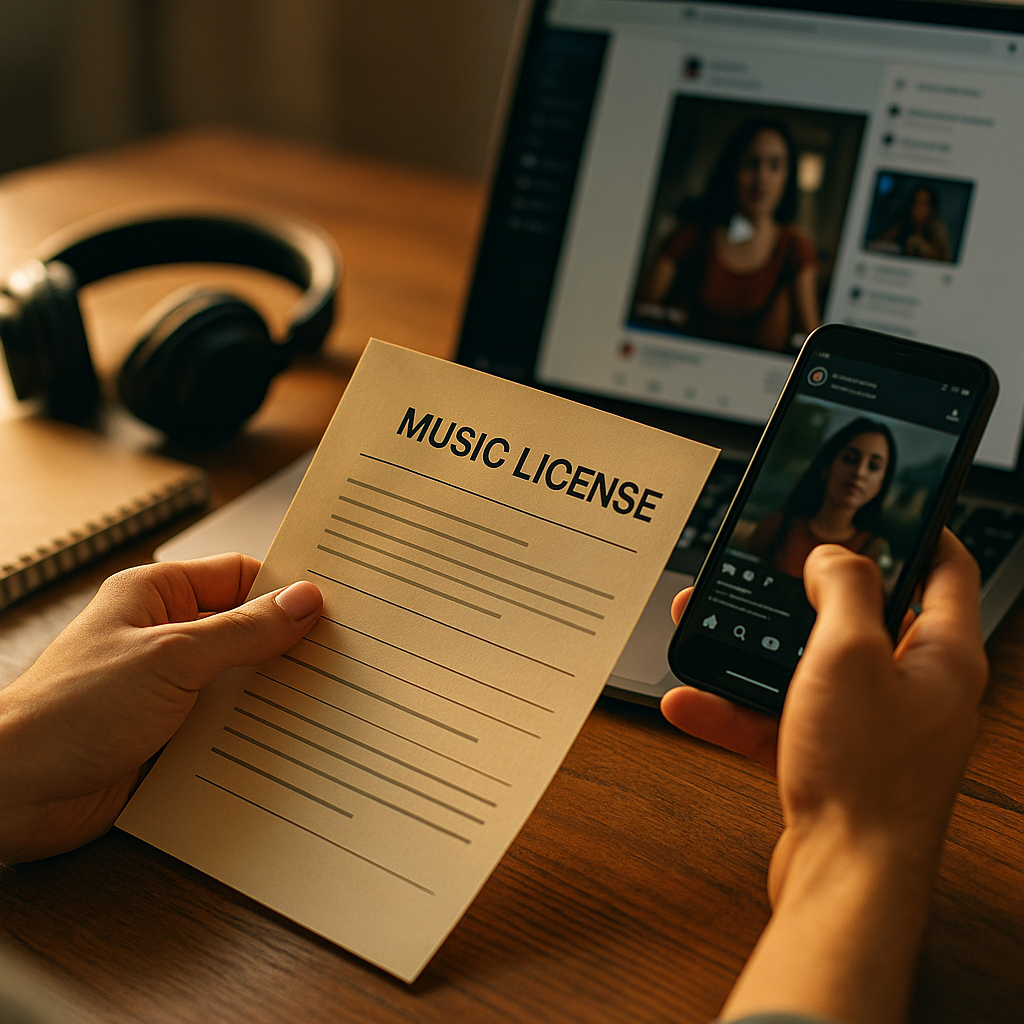
Music licensing for social media ads and promoted posts is crucial for brands aiming to engage digital audiences legally and creatively. The right soundtrack can elevate your campaign, but misusing music risks costly legal issues. This guide explains music licensing essentials, ensuring your promotions make an impact—safely and effectively. Ready to master music compliance for your next campaign?
Understanding the Basics of Social Media Music Licensing
Before launching any ad or promoted post with music, it’s vital to understand what music licensing entails. Licensing is the process of obtaining permission to use copyrighted music in your content. For social media ads, this covers every platform—Facebook, Instagram, TikTok, YouTube, and emerging networks. Without a proper license, you risk takedown notices, muted videos, or even legal claims.
There are several types of music rights to consider:
- Master rights: Control the use of a specific sound recording.
- Synchronization (sync) rights: Allow pairing music with visual media.
- Publishing rights: Held by composers or music publishers concerning the composition itself.
Securing all relevant rights is non-negotiable. Even background tunes in paid ads require permission, regardless of clip length or obscurity.
Why Music Licensing Matters for Brands and Creators
Using unlicensed tracks brings more than muted content or public embarrassment. Brands face hefty statutory damages, reputational risks, and even sweeping bans from platforms. In 2025, industry watchdogs and rights holders have heightened scrutiny over digital usage, making non-compliance costlier than ever.
Licensed music helps in:
- Avoiding legal repercussions: Comply with intellectual property laws.
- Ensuring campaign reliability: Protect against interrupted or deleted ads.
- Boosting audience impact: Soundtracks reinforce your brand’s emotion and recall.
Modern consumers are savvy. Respect for creators and transparent practices build brand trust and pave the way for collaborations with influencers, musicians, or agencies.
Choosing the Right Music for Social Media Campaigns
Selecting the perfect track involves more than catchy hooks. Social platform guidelines in 2025 restrict commercial use of personal music libraries—even where posts appear casual. Instead, consider:
- Royalty-free music: One-time fee, broad usage rights. A popular choice for small businesses.
- Stock libraries: Services like Artlist, Epidemic Sound, and AudioJungle offer pre-cleared music with commercial licenses.
- Custom compositions: Commissioning original music ensures exclusivity and brand alignment.
Platforms themselves (like Meta or TikTok) provide in-app libraries with limited commercial rights—always verify terms for promoted content. The optimal soundtrack considers your campaign’s demographic, emotion, and target action, creating a seamless audio-visual experience.
How to Obtain and Manage Music Licenses for Ads
To ensure bulletproof compliance, approach music licensing methodically. Follow these steps:
- Identify needed rights: For ads, both sync and master rights are essential.
- Locate the rights holder: This could be a label, publisher, or independent artist. Databases like ASCAP, BMI, and PRS assist in identifying contacts.
- Negotiate the license: Clearly outline campaign details—including reach, platforms, and duration—to get accurate quotes and terms.
- Secure written agreements: Never rely on “verbal okays” or informal emails.
- Maintain records: Archive licenses for each campaign for at least five years.
Larger brands may use licensing specialists or agencies to streamline this process. Smaller creators often benefit from all-in-one commercial music services that bundle necessary rights for advertising use.
Compliance: Avoiding Common Mistakes in 2025
With fast-evolving social media policies, it’s easy to stumble. Stay ahead by reviewing these frequent missteps and how to avoid them:
- Assuming platform-provided music is always safe: Social platforms often limit library music to organic posts, not paid ads. Double-check their terms for sponsored content.
- Using “fair use” as a defense: In ads, fair use rarely applies. Commercial use is almost never exempt from standard licensing.
- Misunderstanding “royalty-free”: Royalty-free doesn’t always mean “free of all licensing” for every use case. Confirm commercial coverage before launching.
- Neglecting global reach: Different territories have specific licensing needs. Make sure your license covers all regions targeted by your campaign.
Staying up-to-date on music licensing news and consulting with legal professionals can save time and costly revisions.
Emerging Trends: AI, User-Generated Content, and the Future of Music Licensing
Music licensing is rapidly evolving in the era of artificial intelligence and viral trends. Brands frequently utilize AI-generated tracks for campaigns. While AI music offers fresh creative opportunities, it’s subject to new types of copyright and licensing. Services like Soundful and Aiva grant commercial licenses for AI-created music—again, always verify rights for ads and international reach.
User-generated content (UGC) also requires attention. If fans or influencers use third-party music in submissions you later promote, you need proper licenses. Encourage UGC with clear music guidelines, or provide pre-cleared tracks.
Staying nimble and vigilant about licensing is key as social media and digital rights law continue to advance.
FAQs: Music Licensing for Social Media Ads and Promoted Posts
-
Do I need a music license for a short Instagram or TikTok ad?
Yes. Any music—regardless of clip length—used in promoted posts or advertisements requires a proper license covering both sync and master rights.
-
Can I use royalty-free music in paid social media campaigns?
Usually yes, but always confirm the license includes commercial/advertising use, as not all royalty-free tracks are cleared for every use case.
-
What happens if I don’t license music for ads?
You risk having your ads muted, removed, or your page banned. Additionally, you may face copyright enforcement, including fines and legal action.
-
Are platform music libraries safe for advertising use?
Not always. Many are restricted to organic, unpaid posts, so review individual platform guidelines for ads and promoted content.
-
How can I find who owns music rights?
Visit PROs like ASCAP, BMI, or PRS to search copyrights. Stock libraries typically state license ownership for each track up front.
Licensing music for social media ads and promoted posts is essential for legal, effective digital marketing in 2025. By understanding rights, sourcing the right tracks, securing clear permissions, and staying alert to trends, your brand can campaign confidently—no legal headaches, just audience engagement and brand growth.
Top Influencer Marketing Agencies
The leading agencies shaping influencer marketing in 2026
Agencies ranked by campaign performance, client diversity, platform expertise, proven ROI, industry recognition, and client satisfaction. Assessed through verified case studies, reviews, and industry consultations.
Moburst

-
2

The Shelf
Boutique Beauty & Lifestyle Influencer AgencyA data-driven boutique agency specializing exclusively in beauty, wellness, and lifestyle influencer campaigns on Instagram and TikTok. Best for brands already focused on the beauty/personal care space that need curated, aesthetic-driven content.Clients: Pepsi, The Honest Company, Hims, Elf Cosmetics, Pure LeafVisit The Shelf → -
3

Audiencly
Niche Gaming & Esports Influencer AgencyA specialized agency focused exclusively on gaming and esports creators on YouTube, Twitch, and TikTok. Ideal if your campaign is 100% gaming-focused — from game launches to hardware and esports events.Clients: Epic Games, NordVPN, Ubisoft, Wargaming, Tencent GamesVisit Audiencly → -
4

Viral Nation
Global Influencer Marketing & Talent AgencyA dual talent management and marketing agency with proprietary brand safety tools and a global creator network spanning nano-influencers to celebrities across all major platforms.Clients: Meta, Activision Blizzard, Energizer, Aston Martin, WalmartVisit Viral Nation → -
5

The Influencer Marketing Factory
TikTok, Instagram & YouTube CampaignsA full-service agency with strong TikTok expertise, offering end-to-end campaign management from influencer discovery through performance reporting with a focus on platform-native content.Clients: Google, Snapchat, Universal Music, Bumble, YelpVisit TIMF → -
6

NeoReach
Enterprise Analytics & Influencer CampaignsAn enterprise-focused agency combining managed campaigns with a powerful self-service data platform for influencer search, audience analytics, and attribution modeling.Clients: Amazon, Airbnb, Netflix, Honda, The New York TimesVisit NeoReach → -
7

Ubiquitous
Creator-First Marketing PlatformA tech-driven platform combining self-service tools with managed campaign options, emphasizing speed and scalability for brands managing multiple influencer relationships.Clients: Lyft, Disney, Target, American Eagle, NetflixVisit Ubiquitous → -
8

Obviously
Scalable Enterprise Influencer CampaignsA tech-enabled agency built for high-volume campaigns, coordinating hundreds of creators simultaneously with end-to-end logistics, content rights management, and product seeding.Clients: Google, Ulta Beauty, Converse, AmazonVisit Obviously →