


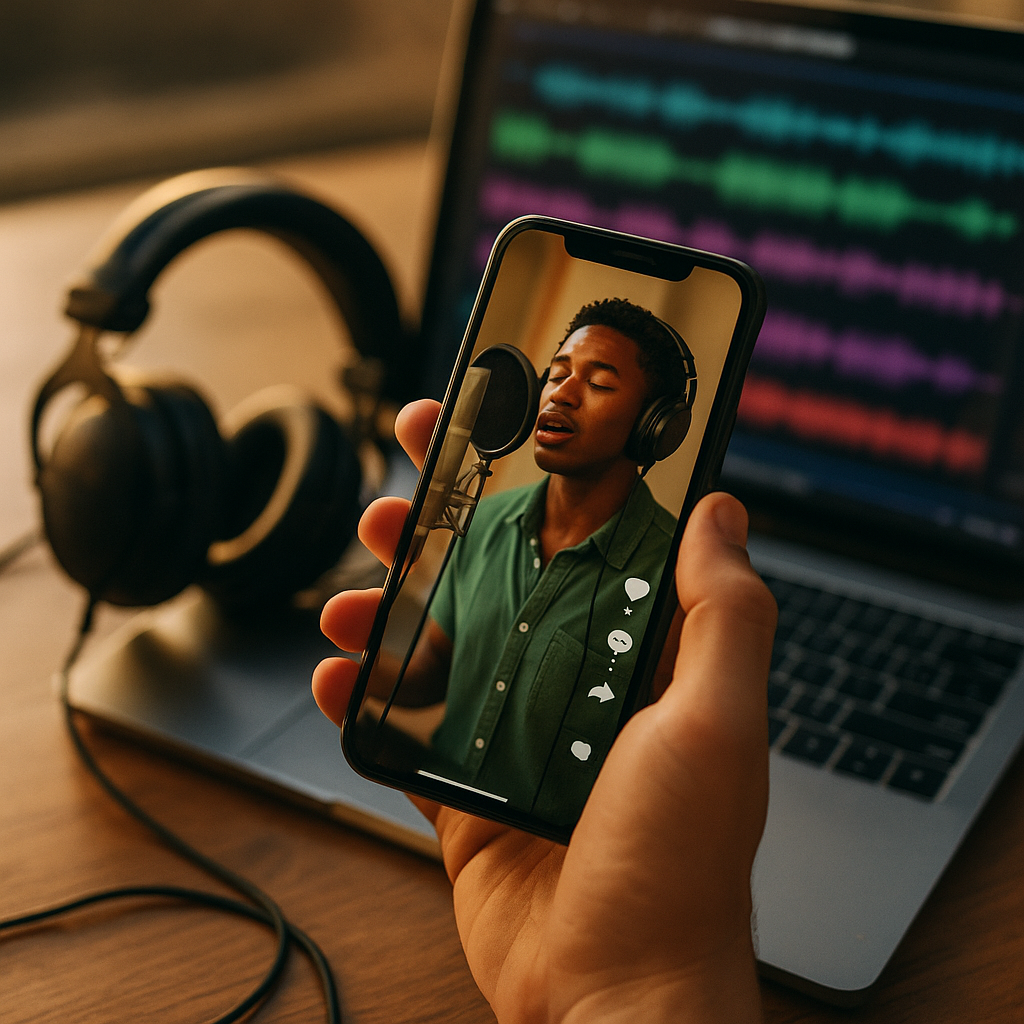
Music is the heartbeat of viral content on social platforms, with navigating music licensing rights on TikTok and Reels as crucial as mastering video trends. Whether you’re a creator or a brand, using music legally impacts your content’s reach and safety. So, how can you make sure your next viral hit won’t hit a legal snag?
Understanding Music Licensing Rights for TikTok and Reels Content
Music licensing rights determine how creators and businesses can legally use songs in their TikTok and Reels videos. Both platforms have negotiated music licenses with record labels, but the terms are complex and vary for individuals and commercial entities. TikTok and Instagram Reels offer extensive music libraries, but not every track is fair game for every user or use-case. Ignoring these boundaries can lead to muted videos, copyright claims, or account penalties.
Personal Use vs. Commercial Use on Social Media
It’s essential to distinguish between personal and commercial use when posting on TikTok and Reels:
- Personal Use: Most users can access a wide music library for non-commercial content. This typically covers personal expression, hobbies, or casual sharing.
- Commercial Use: Brands or creators promoting products, services, or monetizing content must follow stricter licensing. Business accounts often have reduced access to popular music due to licensing constraints. Instead, they may use royalty-free tracks, platform-supplied sound collections, or obtain independent licenses.
Navigating these differences avoids copyright disputes and ensures content remains viewable and monetizable.
Risks of Using Unlicensed Music on TikTok and Reels
Copyright infringement is a real risk if you use music outside the permitted scope. In 2025, both TikTok and Instagram have enhanced their automated copyright detection and enforcement. Consequences may include:
- Muted audio or blocked videos
- Copyright strikes against your account
- Limited engagement or shadowbanning
- Legal action from rights holders for persistent violations
Everyday creators may only experience muted sound, but brands and influencers might face steeper penalties, including financial liability. Staying compliant is not only a legal duty but also protects your creative reputation.
How to Find and Use Licensed Music on TikTok and Reels
Finding licensed music for TikTok and Reels is simpler when you know where to look. Both platforms provide:
- In-app music libraries: These contain tracks cleared for most types of use. Always check if your account (personal or business) is eligible for the songs you select.
- Sound collections: For business users, Instagram offers the Meta Sound Collection—a library of royalty-free music and sound effects. TikTok provides similar options for commercial creators.
- Direct licensing: For specific tracks not available in the in-app libraries, you can contact artists, music publishers, or licensing agencies like Epidemic Sound or Artlist for the appropriate rights.
Always read platform guidelines and watch for music marked as “not available for commercial use.”
Best Practices for Companies and Influencers Using Viral Music
Brands and influencers are under higher scrutiny for copyright compliance. To maximize engagement without legal risk:
- Set clear account types: Use a business account if promoting products or monetizing content; this activates the appropriate sound library.
- Favor royalty-free music: Platform-provided music or independently licensed tracks reduce copyright risk and keeps content widely shareable.
- Monitor updates: Licensing terms and available songs change. Stay updated with TikTok and Instagram’s latest music policies for business users.
- Educate your team: Ensure creators, agencies, and social media managers understand music licensing rules to prevent accidental breaches.
- Obtain permissions for partnerships: For collaboration campaigns, secure written music licensing agreements when using third-party tracks or custom compositions.
Following these protocols builds trust with your followers and protects your brand reputation.
The Future of Social Media Music Licensing in 2025
In 2025, lawmakers worldwide continue updating copyright regulations for user-generated content. TikTok and Instagram are investing in AI to better track how music is used and to expand the catalog of royalty-cleared tracks for creators and businesses. Expect to see:
- More transparent copyright notices and in-app guidance on music eligibility by account type
- Broader sound collections with fresh music for commercial creators
- Quicker resolution options for accidental copyright infringements and disputes
Staying informed and proactive is essential for creators and brands navigating the evolving world of music rights on social media platforms.
Navigating music licensing rights on TikTok and Reels protects your content, your account, and your brand. By understanding the difference between personal and commercial use, using licensed tracks, and keeping up with platform policies, you empower your social media strategy for success and longevity.
FAQs on Music Licensing Rights for TikTok and Reels
-
Can I use any popular song on TikTok or Reels?
No. Availability depends on your account type and regional licensing. Personal accounts may access more tracks, while business accounts face restrictions and should rely on royalty-free or licensed options. -
What happens if I use unlicensed music in my video?
Your video may be muted, blocked, or taken down. Multiple violations can lead to account penalties or even legal action, especially for commercial use. -
How can brands use trending songs safely on social media?
Brands should use music from official sound libraries, royalty-free collections, or acquire direct licenses. Always check if songs are cleared for commercial use before posting. -
Do TikTok and Instagram notify you about copyright issues?
Yes. Both platforms provide copyright notifications and guidance through in-app messages or account alerts if there’s a problem with your music selection. -
Where can I find royalty-free music for my videos?
Explore the Meta Sound Collection, TikTok Commercial Music Library, or reputable licensing services like Epidemic Sound and Artlist. Always verify their terms for commercial use.