


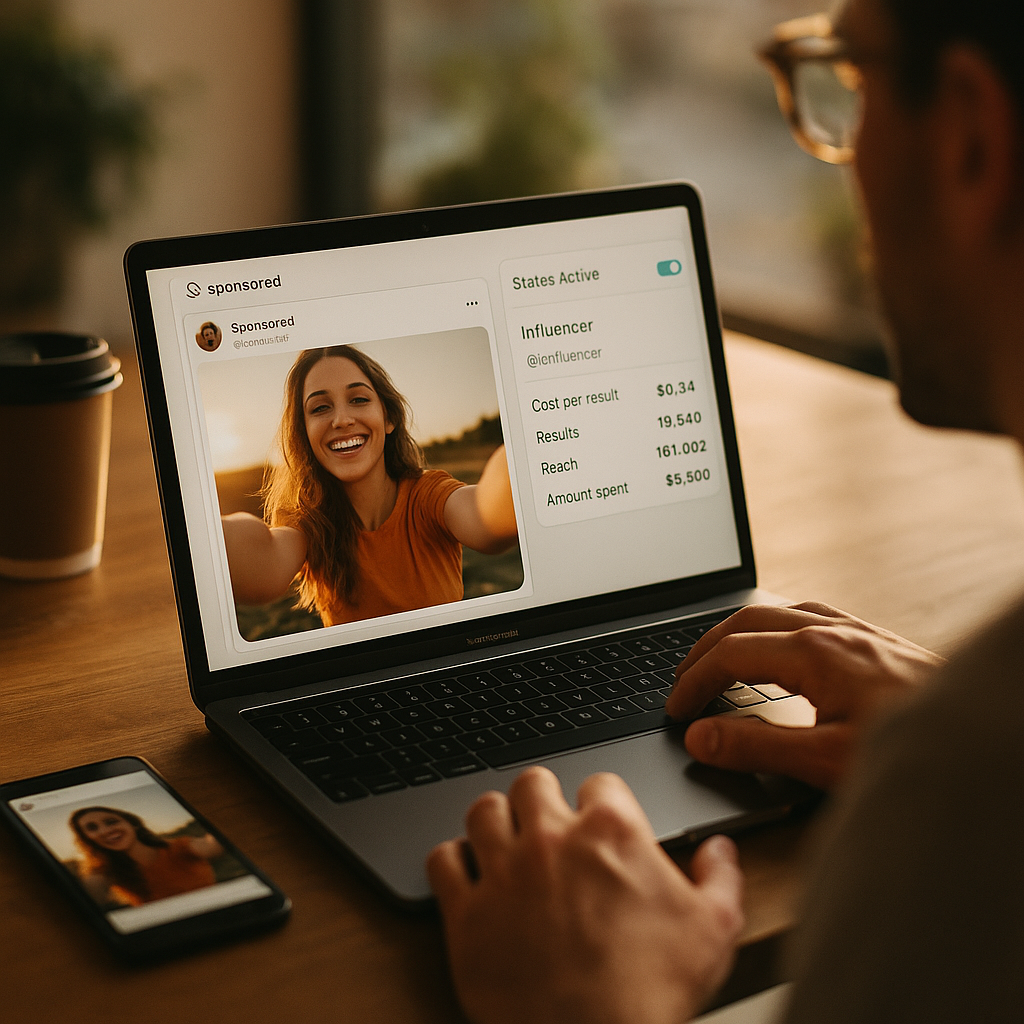
Mastering a guide to whitelisting influencer ads can transform your digital marketing performance, giving advertisers more control, transparency, and reach. In today’s complex advertising landscape, whitelisting offers brands the edge. Ready to unlock the true power of influencer collaborations and maximize ROI? Discover how to leverage whitelisted content for unprecedented campaign success.
Understanding Influencer Ad Whitelisting: What Is It?
Influencer ad whitelisting is a paid social tactic where brands gain permission to boost posts directly from an influencer’s account, rather than just promoting content from the brand account. This access allows advertisers to use influencers’ handles to reach wider, highly-targeted audiences and optimize messaging without relying solely on organic reach. It also creates seamless connections between influencer credibility and brand messaging, resulting in stronger engagement and higher conversion rates.
Whitelisting equates to authentic sponsorships. The promoted posts appear as if published natively by the influencer, rather than forced brand ads, cultivating trust and relatability among followers. For both marketers and influencers, it provides advanced analytics, efficient budget allocation, and transparency to measure true impact beyond vanity metrics.
Why Should Brands Whitelist Influencer Ads?
Brands turn to influencer ad whitelisting for several compelling reasons beyond traditional influencer partnerships. Here’s why this approach continues to grow:
- Expanded Reach: Whitelisting allows you to target beyond the influencer’s organic fans—reaching lookalike and entirely new audiences with highly credible messaging.
- Creative Control: Brands can tailor ad copy, calls to action (CTAs), creative assets, and audience targeting, optimizing messages while maintaining influencer authenticity.
- Performance Data: Advanced analytics and ad insights reveal granular performance, enabling in-flight adjustments for better ROI.
- Trust and Transparency: Sponsored content from influencer handles feels less intrusive and more trustworthy, boosting brand perception.
- Effective A/B Testing: You can experiment with variations in targeting, creative, and offers—maximizing what works best with different groups.
By leveraging whitelisting, brands step into a partnership model that drives efficiency, brand safety, and credible conversions at scale.
How to Set Up Influencer Whitelisting: A Step-by-Step Guide
Implementing influencer ad whitelisting involves clear communication, technical permissions, and legal clarity. Here’s how to execute it seamlessly in 2025:
- Agree on Terms: Brands and influencers negotiate whitelisting terms—duration, platforms (like Instagram, TikTok, Facebook), content types, compensation, and creative control. All terms should be documented in a contract to enforce transparency and compliance.
- Secure Permissions: Influencers provide explicit access (often via Facebook’s Business Manager or TikTok’s creator tools) so that advertisers can promote selected posts. A step many influencers are now familiar with and can perform safely, without surrendering personal control over their accounts.
- Select Content: Brands identify high-performing or new content to boost. Some opt to co-create whitelisted content with influencers to align brand goals and creator authenticity.
- Launch Campaigns: Using Meta Ads Manager, TikTok Ads, or specialized software, brands create paid campaigns under the influencer’s handle. Tags like “Paid Partnership” are added according to platform guidelines.
- Monitor & Optimize: Real-time analytics inform adjustments—A/B testing creative, changing audience targeting, and reallocating budget to best performers ensures optimal ROI.
Many agencies and influencer marketing platforms simplify permissions and reporting, making whitelisting more streamlined than ever for both parties in 2025.
Legal Agreements and Best Practices for Influencer Whitelisting
To uphold EEAT (Experience, Expertise, Authoritativeness, Trustworthiness) standards, a robust agreement is essential when whitelisting influencer ads. Here’s what to include:
- Detailed Permissions: Clarify what content can be promoted, duration, platforms, and any limitations on use.
- Compensation Structure: Specify how influencers are paid for whitelisted content—whether flat fee, CPM, or performance bonuses.
- Brand Safety and Reputation Management: Implement clauses that allow brands to halt ad campaigns in case of PR issues or reputation risks.
- Compliance: Abide by advertising guidelines, influencer marketing regulations, and ensure all posts are clearly labeled as sponsored as per FTC and platform requirements in 2025.
- Data Transparency: Both sides must have access to campaign results, fostering trust and enabling fair evaluation.
Best practice also dictates ongoing communication, mutual respect for creative vision, and regular performance reviews throughout the campaign lifecycle.
Optimizing Whitelisted Influencer Ads for Maximum Impact
To unlock the best returns from influencer ad whitelisting, optimization should be continuous. Consider these proven tactics:
- Audience Segmentation: Use first-party and lookalike audiences to expand reach beyond followers while remaining hyper-relevant.
- Dynamic Creative Testing: Routinely test different images, video snippets, captions, CTAs, and formats to discover top-performing ads.
- Cross-Platform Execution: Don’t limit to a single channel—leverage influencers across Instagram, TikTok, and Facebook for wider omnichannel coverage.
- Sensitivity to Brand-Inclusive Content: Favor whitelisted ads that blend promotional and authentic elements, avoiding overly-salesy tones.
- Responsive Engagement: Encourage influencers to continue engaging (replying to comments, Q&As) even after a post is promoted, maintaining authenticity.
Track key metrics such as engagement rate, click-through rate (CTR), cost per acquisition (CPA), and sentiment analysis to evaluate success. Use these insights for iterative improvement, ensuring campaigns stay efficient and relevant in 2025’s data-driven environment.
Measuring Success: KPIs and Reporting for Whitelisted Influencer Ads
Data is central to the whitelisting process. Make use of platform-level analytics to make informed, real-time decisions. Key performance indicators to monitor include:
- Impressions and Reach: Assess how far your content extends beyond the influencer’s audience.
- Engagement Rate: Monitor likes, shares, comments, and saves versus reach, indicating content resonance and trust.
- Conversion Metrics: Track website visits, leads, sales, and other meaningful outcomes attributed to the campaign.
- Brand Lift: Measure changes in sentiment, brand awareness, recall, and preference among target demographics.
- ROI Calculation: Map spend versus returns, adjusting campaigns as needed for superior efficiency throughout the partnership.
Regular post-campaign wrap-ups with influencers and transparent data sharing reinforce best practices. This process not only strengthens partnerships but enables smarter, evidence-based decisions for future influencer collaborations.
In summary, following this guide to whitelisting influencer ads enables smarter spending, wider reach, and deeper brand loyalty. By combining robust agreements, creative freedom, and meticulous measurement, you’ll position every campaign for sustainable, trust-driven success.
FAQs: Guide to Whitelisting Influencer Ads
-
What is influencer ad whitelisting?
Influencer ad whitelisting lets brands amplify influencer posts through paid ads under the influencer’s handle, combining creator authenticity with ad targeting and reporting.
-
How do I get influencers to agree to whitelisting?
Start by outlining clear terms, fair compensation, and transparent expectations. Many influencers are open to whitelisting when mutual benefits and brand alignment are established.
-
Which platforms support influencer ad whitelisting in 2025?
Instagram, Facebook, and TikTok remain the leading platforms, with emerging support on YouTube Shorts and LinkedIn. Always check up-to-date platform tools and policies before launching a campaign.
-
Do whitelisted influencer ads perform better than standard ads?
Yes. Studies in 2025 show that whitelisted content often yields higher engagement and conversion rates due to perceived authenticity and influencer trust with followers.
-
What are the risks of influencer whitelisting?
Risk can include loss of message control, compliance issues, or PR incidents. These are mitigated by thorough contracts, platform safeguards, and diligent campaign monitoring.