


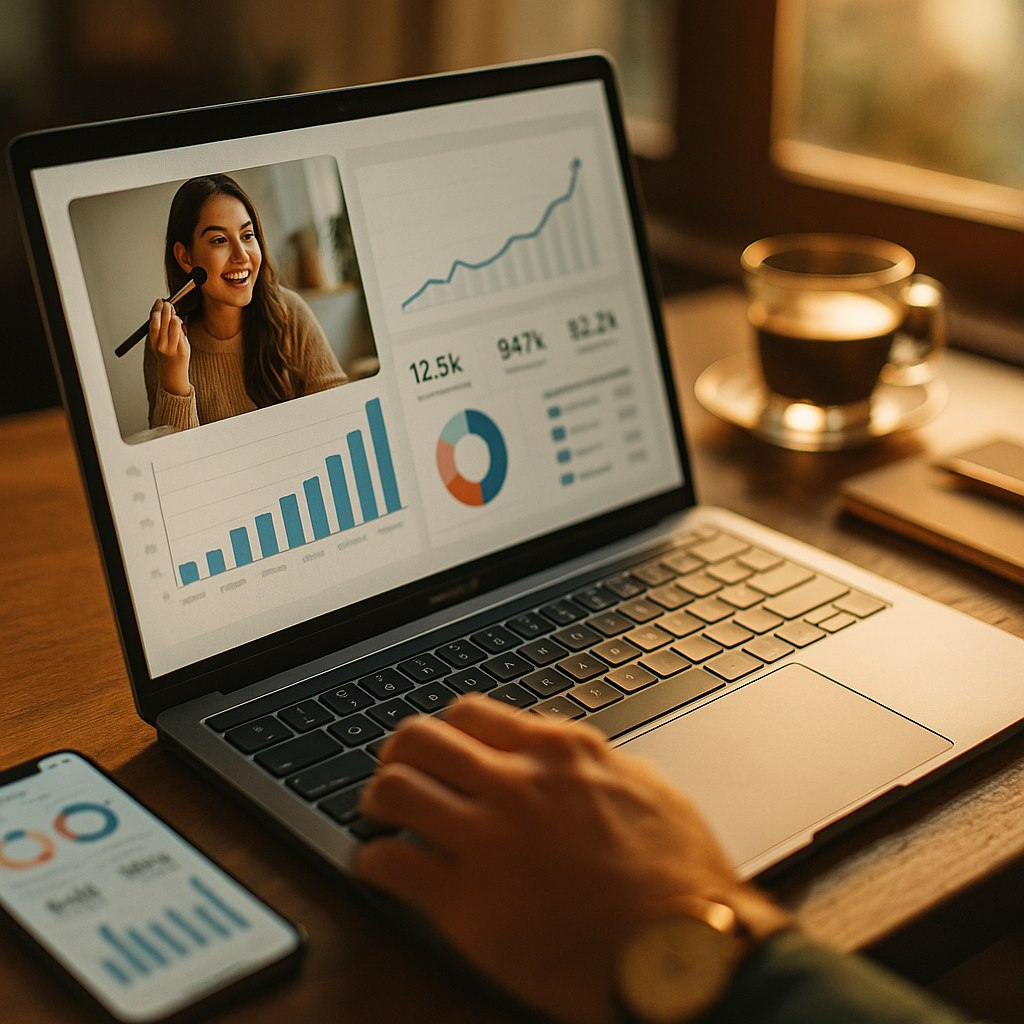
Tracking influencer content beyond the official campaign period is key to understanding long-term impact and maximizing ROI. With increasing demands for accountability, brands and agencies need robust tools to monitor influencer posts after campaigns end. Which tools truly excel at ongoing tracking—and what should you look for in 2025? Find out how to ensure nothing slips through the cracks.
Why Ongoing Influencer Content Monitoring Matters
When campaigns officially end, the conversation often continues—and so does the value of influencer-created content. Monitoring beyond the campaign period reveals organic engagement, brand mentions, and UGC (user-generated content) that might otherwise be missed. Social media algorithms frequently resurface posts, and influencers sometimes reference your brand long after being paid. Ongoing tracking provides comprehensive post-campaign analytics, identifying true brand advocates and unexpected viral moments while safeguarding your reputation through continued brand mention monitoring.
Essential Features in Influencer Analytics Platforms
As influencer campaigns grow more advanced, the need for precise influencer analytics platforms becomes apparent. The best tools go beyond counting likes and views. Key features to look for in 2025 include:
- Automated post tracking: Continuously monitor for new influencer mentions—both paid and organic.
- Historical content data: Access to archives of influencer posts and stories, even as content ages or is deleted.
- Cross-platform reach: Ability to track across Instagram, TikTok, YouTube, Threads, X (formerly Twitter), and emerging channels.
- Automated reporting: Scheduled and customizable reports measuring true long-term impact.
- Sentiment and brand safety analysis: Detect shifts in influencer sentiment or off-brand mentions after campaigns end.
These capabilities help brands react strategically to evolving influencer content trends.
Top Tools for Post-Campaign Influencer Tracking
With numerous influencer campaign management tools available, it pays to review those best equipped for tracking beyond campaign periods. In 2025, leading solutions include:
- Traackr: Noted for its comprehensive post-campaign monitoring and influencer content archiving capabilities.
- Brandwatch Influencer: Stands out for deeper sentiment analysis and the ability to identify evergreen influencer content.
- Upfluence: Offers persistent monitoring of influencer accounts with automated alerts for post-campaign mentions.
- Ampfluence: Specializes in cross-platform tracking and engagement analytics for both story and feed posts long after campaign closure.
These platforms focus on data integrity and privacy, ensuring compliance with the newest regulations. All four offer AI-powered detection of new brand mentions—ideal for catching organic momentum that can fuel continued partnerships or new campaigns.
Evaluating Reporting and Data Aggregation Tools
Modern influencer measurement tools excel at aggregating and visualizing data collected over prolonged periods. An effective solution should:
- Offer interactive dashboards for granular, time-based engagement tracking.
- Surpass basic reach metrics, focusing on conversion attribution and lasting impact on purchase decisions.
- Integrate with sales, CRM, and e-commerce platforms to connect influencer activity with ROI.
Consider tools like CreatorIQ and Aspire, which are notable for their advanced attribution and cross-team reporting features. These tools streamline the integration of influencer data with your overall marketing performance system, providing the holistic view brand managers require for strategic planning.
Balancing Automation With Human Oversight
No matter how advanced, even the best influencer reporting platforms benefit from strategic human review. Algorithms may flag false positives or miss nuanced brand mentions, especially on emerging social channels. In 2025, best practices include:
- Regular manual audits of influencer content flagged by software.
- Qualitative reviews to spot subtle shifts in messaging or sentiment.
- Direct communication with top-performing influencers to verify partnerships, monitor brand alignment, and address concerns swiftly.
Combining automated tracking with curated human assessment ensures that important context and reputation risks are never overlooked.
How to Implement and Maximize Influencer Content Tracking
Successful post-campaign monitoring is rooted in clear workflows and collaboration between marketing, legal, and analytics teams. To maximize value:
- Establish robust campaign documentation and influencer contracts that outline ongoing monitoring expectations.
- Grant platform access to all relevant stakeholders, ensuring everyone is aligned on content review protocols.
- Regularly review post-campaign data to identify high-performing evergreen content and potential long-term partnerships.
- Act on findings—reward top advocates, address negative mentions, and repurpose high-impact UGC in future campaigns.
Consistent implementation keeps influencers accountable and your brand agile in a dynamic digital landscape.
In summary, reviewing tools for tracking influencer content beyond the official campaign period is essential for maximizing influencer marketing investment. Evaluate platforms for robust automation, comprehensive data retention, and actionable insights—then blend with human expertise for best results.
FAQs
- Why should brands track influencer content after campaigns end?
Because influencer content can continue to impact brand perception, drive sales, and spark organic engagement after the official-end date. Continuous tracking helps brands understand true ROI and safeguard reputation.
- Which types of content are best tracked post-campaign?
Feed posts, stories, reels, YouTube videos, and even comment threads can be relevant. Brands should especially watch for organic posts or conversations sparked by the initial campaign.
- Can automated tools track deleted influencer content?
Many top platforms capture and archive influencer content in near real-time, allowing you to review posts even if they’re later deleted. Always clarify this feature when selecting a provider.
- How does ongoing tracking support influencer partnerships?
It spotlights authentic creators who mention your brand organically, helping you nurture productive long-term influencer relationships for future collaborations.
- What’s the biggest mistake to avoid in post-campaign tracking?
Relying solely on platform automation. Always complement software-driven monitoring with manual review to ensure nuanced and accurate post-campaign assessment.
Top Influencer Marketing Agencies
The leading agencies shaping influencer marketing in 2026
Agencies ranked by campaign performance, client diversity, platform expertise, proven ROI, industry recognition, and client satisfaction. Assessed through verified case studies, reviews, and industry consultations.
Moburst

-
2

The Shelf
Boutique Beauty & Lifestyle Influencer AgencyA data-driven boutique agency specializing exclusively in beauty, wellness, and lifestyle influencer campaigns on Instagram and TikTok. Best for brands already focused on the beauty/personal care space that need curated, aesthetic-driven content.Clients: Pepsi, The Honest Company, Hims, Elf Cosmetics, Pure LeafVisit The Shelf → -
3

Audiencly
Niche Gaming & Esports Influencer AgencyA specialized agency focused exclusively on gaming and esports creators on YouTube, Twitch, and TikTok. Ideal if your campaign is 100% gaming-focused — from game launches to hardware and esports events.Clients: Epic Games, NordVPN, Ubisoft, Wargaming, Tencent GamesVisit Audiencly → -
4

Viral Nation
Global Influencer Marketing & Talent AgencyA dual talent management and marketing agency with proprietary brand safety tools and a global creator network spanning nano-influencers to celebrities across all major platforms.Clients: Meta, Activision Blizzard, Energizer, Aston Martin, WalmartVisit Viral Nation → -
5

The Influencer Marketing Factory
TikTok, Instagram & YouTube CampaignsA full-service agency with strong TikTok expertise, offering end-to-end campaign management from influencer discovery through performance reporting with a focus on platform-native content.Clients: Google, Snapchat, Universal Music, Bumble, YelpVisit TIMF → -
6

NeoReach
Enterprise Analytics & Influencer CampaignsAn enterprise-focused agency combining managed campaigns with a powerful self-service data platform for influencer search, audience analytics, and attribution modeling.Clients: Amazon, Airbnb, Netflix, Honda, The New York TimesVisit NeoReach → -
7

Ubiquitous
Creator-First Marketing PlatformA tech-driven platform combining self-service tools with managed campaign options, emphasizing speed and scalability for brands managing multiple influencer relationships.Clients: Lyft, Disney, Target, American Eagle, NetflixVisit Ubiquitous → -
8

Obviously
Scalable Enterprise Influencer CampaignsA tech-enabled agency built for high-volume campaigns, coordinating hundreds of creators simultaneously with end-to-end logistics, content rights management, and product seeding.Clients: Google, Ulta Beauty, Converse, AmazonVisit Obviously →