


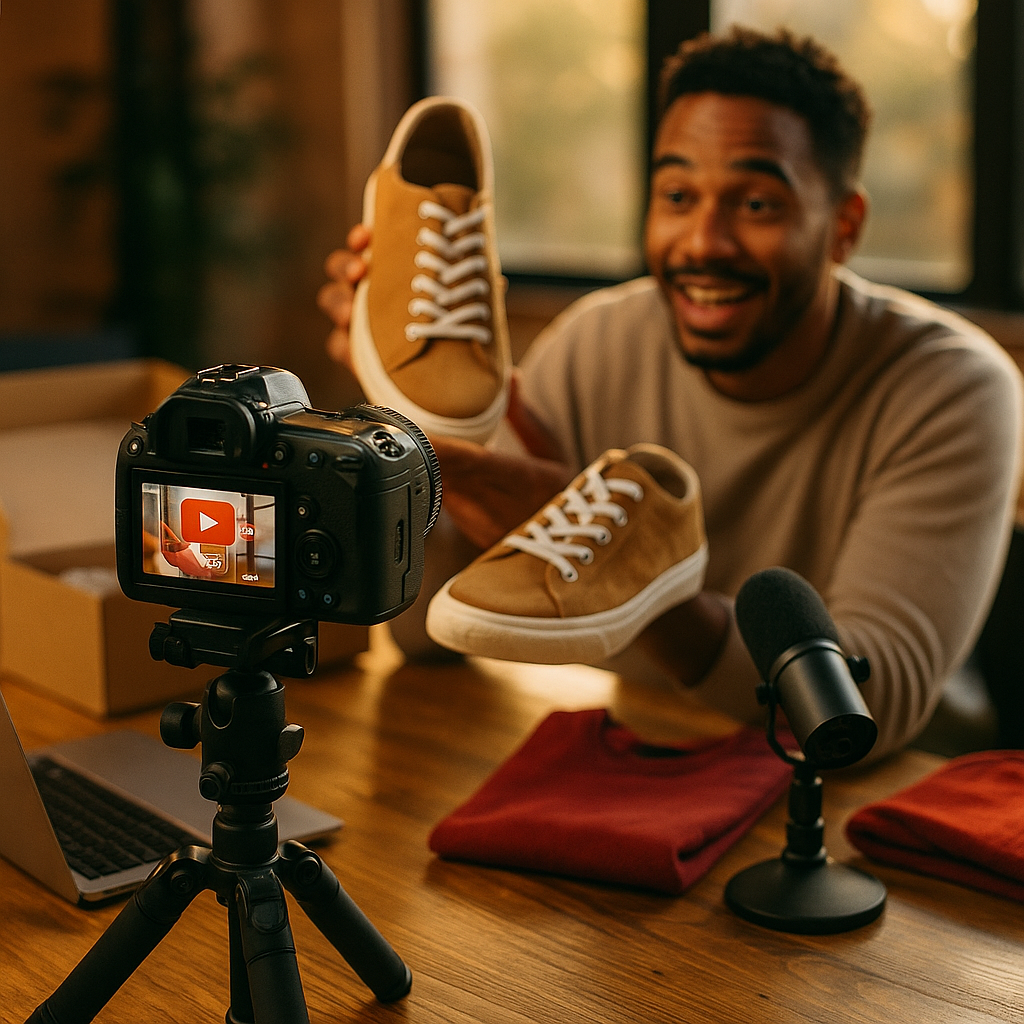
The YouTube Shopping Affiliate Program has redefined how brands drive sales and collaborate with top creators on the world’s largest video platform. By combining YouTube’s reach with seamless shopping experiences, brands can boost awareness and revenue fast. Ready to unlock new opportunities? This guide walks you through every aspect brands need to know in 2025.
What is the YouTube Shopping Affiliate Program?
The YouTube Shopping Affiliate Program allows brands to partner with qualified YouTube creators and let them showcase and sell products directly within their videos and live streams. This feature transforms YouTube into an interactive marketplace, streamlining the path from product discovery to purchase without your audience leaving the platform. With the rise of social commerce, YouTube’s affiliate system offers measurable ROI and access to highly engaged communities.
- Shoppable videos: Creators add your products to their content for direct purchase.
- Affiliate commissions: Brands pay creators a predetermined commission on sales they drive.
- Enhanced visibility: Products appear under videos, on channel stores, and within YouTube Shopping tabs.
By 2025, YouTube’s affiliate network has expanded rapidly, giving brands unprecedented control and scale in influencer marketing partnerships.
How Brands Join and Set Up on YouTube Shopping Affiliate
To leverage the YouTube Shopping Affiliate Program for your brand, the setup is straightforward—if you meet YouTube’s eligibility rules and best practices. You should:
- Have a Google Merchant Center account with up-to-date product feeds.
- Connect an eligible e-commerce site partner (e.g., Shopify, WooCommerce, BigCommerce).
- Agree to YouTube’s commerce policies and provide accurate information about inventory and pricing.
- Set commission rates or offers for participating creators.
- Select and approve creators for collaboration from YouTube’s internal affiliate dashboard or invite influencers directly.
With these steps complete, your products become available to thousands of creators looking for brands to feature. You can manage listings, track sales, and refine campaigns in one place. YouTube requires all partners—and their chosen creators—to maintain high standards for transparency in disclosures, keeping user trust central to the affiliate ecosystem.
Choosing the Right Creators for Your Brand Collab
Success on YouTube Shopping Affiliate depends heavily on creator choice. Selecting influencers who genuinely align with your brand, target audience, and campaign goals—not just by follower count—will maximize your affiliate ROI. Key tips for brands:
- Audience relevance: Look for creators whose viewers match your ideal customer profile.
- Content quality: Prioritize creators with high engagement rates and professional, authentic production values.
- Transparency: Ensure creators are comfortable disclosing paid partnerships and affiliate links per FTC and YouTube guidelines.
- Performance history: Review case studies, affiliate sales data, or examples of past commerce partnerships.
YouTube’s affiliate dashboard provides in-depth analytics about each creator’s reach, verticals, and past sales. Brands can negotiate commission structures, offer exclusive product bundles, and set expectations for messaging and creative direction. This collaborative approach builds long-term value rather than just one-off transactions.
Best Practices: Maximizing Your YouTube Shopping Affiliate Success
Leading brands drive significant results with the YouTube Shopping Affiliate Program by approaching it with strategy, transparency, and ongoing optimization. Here’s what works in 2025:
- Curate product selection: Feature top sellers or new launches most likely to resonate with the creator’s audience.
- Clear calls to action: Provide creators with effective scripts and visual assets that encourage product clicks and purchases.
- Mobile-first experiences: Ensure all product links and landing experiences are optimized for mobile shoppers, who comprise the majority of YouTube traffic.
- Monitor performance: Use YouTube’s analytics to track clicks, conversions, and ROI in real time—then tweak campaigns as needed.
- Stay compliant: Educate creators about disclosure, use of affiliate links, and local commerce laws.
It’s also vital to regularly review and update creative briefs, stay informed about YouTube’s evolving commerce features, and invest in relationship building with high-performing creators. Brands that combine data with creativity achieve the best results.
Measuring ROI & Tracking Performance on YouTube Shopping Affiliate
Understanding how your brand’s affiliate program performs is crucial for scaling and justifying budget allocation. YouTube provides a robust suite of analytics within its affiliate dashboard, including:
- Click-through rates (CTR) from video placements to product pages
- Conversion tracking for on-platform and off-platform purchases
- Creator-specific reporting so brands know which partners drive the highest sales
- Revenue and commission summaries by campaign or time period
Brands can export data, compare multiple campaigns, and A/B test different messaging or creative assets. For advanced optimization, integrate your Google Analytics and e-commerce platform data to build a full-funnel view of shopper activity. This visibility makes it easy to assess what’s working, reward top creators, and reallocate investment for maximum ROI.
Challenges and Solutions for Brands in 2025
While YouTube Shopping Affiliate offers huge potential, it presents a few challenges unique to 2025. Common barriers and solutions include:
- Rising competition: More brands are competing for top creators. Invest in strong relationships and competitive commission rates to stand out.
- Algorithm changes: YouTube updates how shoppable content is surfaced. Stay current with documentation and adapt content strategies as needed.
- Compliance risks: Global e-commerce regulations and disclosure rules change rapidly. Subscribe to YouTube commerce updates and work closely with legal advisors.
- Keeping content fresh: Regularly refresh product selections and creative direction in line with trends.
Proactive brands who invest in education, data-driven optimization, and flexible collaboration with creators will stay ahead of the curve.
Conclusion: Why YouTube Shopping Affiliate Belongs in Your 2025 Strategy
The YouTube Shopping Affiliate Program empowers brands to combine storytelling, influencer reach, and direct e-commerce for measurable growth. By following best practices and building authentic creator partnerships, you’ll unlock new sales channels while nurturing brand loyalty. Now is the time to make YouTube Shopping Affiliate a cornerstone of your digital commerce strategy.
FAQs: YouTube Shopping Affiliate Program for Brands
- Who is eligible to join the YouTube Shopping Affiliate Program?
Brands with an active Google Merchant Center account, compliant e-commerce website, and up-to-date product feeds are eligible. YouTube reviews each application to ensure compliance with commerce policies.
- How do creators earn commissions?
Creators receive a percentage commission—set by the brand—whenever their audience makes a purchase via shoppable videos or links.
- Can brands select which creators they work with?
Yes, brands can invite specific creators or choose from the pool of eligible YouTube partners using the affiliate dashboard.
- What types of products perform best?
Products with strong visual appeal, trending relevance, and clear value proposition tend to perform best, especially in beauty, tech, fashion, and lifestyle verticals.
- What analytics are available to brands?
YouTube provides detailed analytics on clicks, conversions, sales volume, and creator performance so brands can measure ROI and optimize campaigns.