


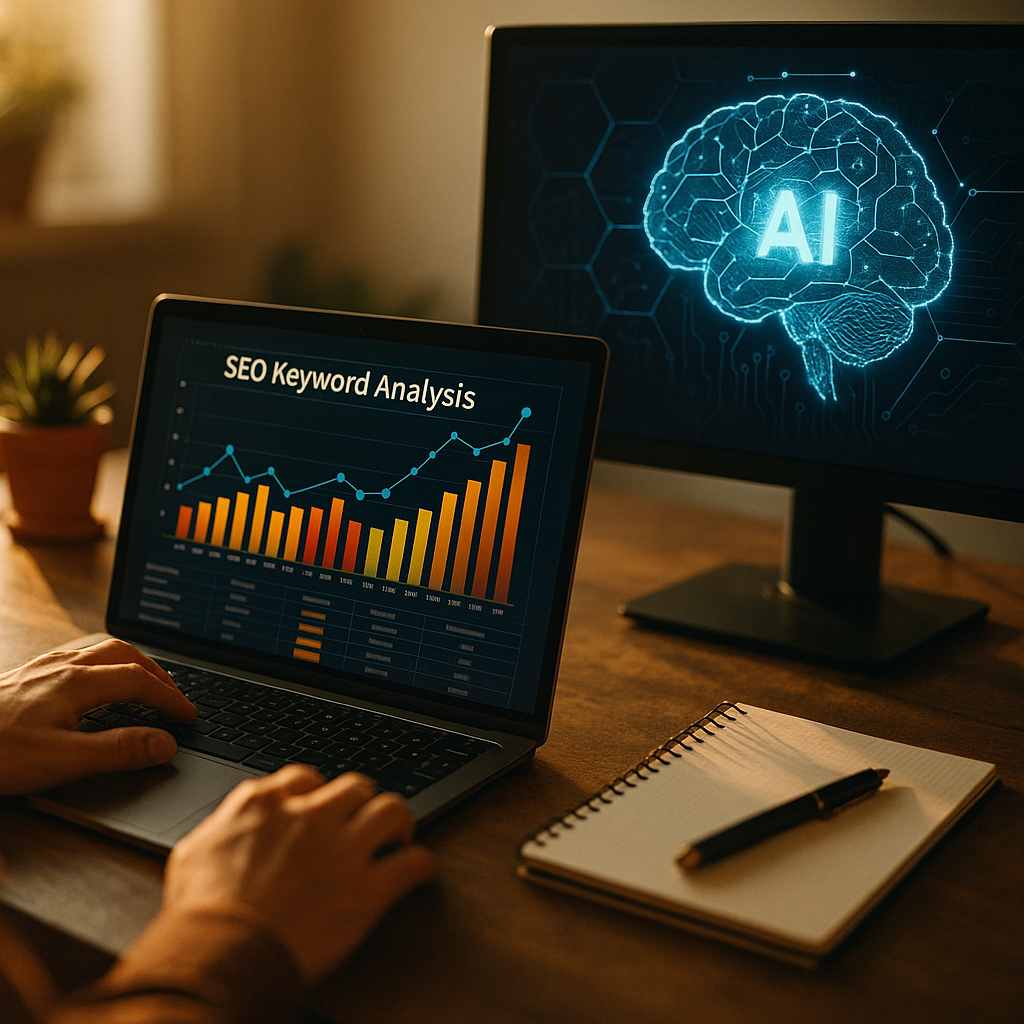
Using AI to analyze and predict the performance of your SEO keywords can transform your organic traffic strategy. By harnessing machine learning, you gain sharper insights, lean workflows, and more reliable forecasting — but which tactics work best now? Discover how AI-driven analytics reveal hidden opportunities, guide smarter decisions, and take your SEO results to the next level.
How AI-Powered Keyword Analysis Works in Modern SEO
AI-powered keyword analysis leverages natural language processing (NLP), deep learning, and big data to decode search trends, user intent, and competition in ways far beyond traditional manual research. Today’s platforms can quickly scan millions of pages, analyze SERP movements, and contextualize keywords within evolving topics, bringing real-time intelligence to your strategy.
For example, by examining search behaviors, bounce rates, and latent semantic indexing, AI tools detect which keywords match users’ needs—and which ones fall short. This approach not only automates tedious research but also surfaces high-potential, less obvious keywords for your niche.
Advantages of Using AI for Search Data and Competitive Analysis
AI streamlines the analysis of search data at scale, offering advantages that boost your SEO efficiency:
- Deeper Competitor Insights: AI analyzes your competitors’ keyword rankings, backlink profiles, and content gaps, revealing real-time opportunities to outrank them.
- Dynamic Keyword Clustering: Machine learning algorithms group keywords based on semantic relevance and intent, creating content clusters that match what users seek in 2025.
- Trend Spotting: AI identifies emerging keywords and seasonal patterns—helping you rank early for breakout search topics.
- Performance Forecasting: Predictive analytics estimate the traffic and conversion potential for your chosen keywords, so you invest where the ROI is highest.
As more brands embrace these tools, staying ahead requires adopting AI for your own SEO research.
Predictive Analytics: Using AI to Forecast SEO Keyword Performance
AI is revolutionizing SEO forecasting. Unlike old methods based solely on past performance, AI-powered predictive tools integrate real-time SERP changes, competitor moves, algorithm updates, and even shifting user preferences. These systems forecast which keywords will grow in value and which may decline, so you can pivot your roadmap proactively.
For instance, Google’s RankBrain and similar AI-powered algorithms already reward smarter keyword targeting and quality content. By simulating SERP outcomes based on current data, AI helps pinpoint keywords likely to climb the rankings, informs content tweaks, and projects future traffic more accurately than ever before.
The best solutions combine large historical datasets with live data feeds, creating custom predictive models tailored to your industry. This means your team can finally move from reactive reporting to forward-looking action plans.
Ethical and Practical Considerations When Using AI for SEO
While AI delivers powerful keyword insights, responsible use is vital. Here’s how to ensure your methods align with best practices for trustworthiness and expertise:
- Data quality matters: Quality in equals quality out. Rely on authoritative datasets and regularly clean your data for optimal model accuracy.
- Human oversight: AI should guide, not replace, expert analysis. Interpret predictions with industry knowledge and critical thinking.
- Bias reduction: Train AI models to avoid reinforcing existing bias, so you can reach diverse user demographics and deliver inclusive SEO strategies.
- Transparency: Clearly communicate how AI-driven decisions impact your content and rankings, aligning with Google’s E-E-A-T (Experience, Expertise, Authoritativeness, Trustworthiness) guidelines.
Always blend predictive analytics with ethical SEO principles, prioritizing value to both users and search engines.
Best Tools and Strategies for AI-Driven Keyword Optimization in 2025
Several advanced tools and proven techniques help marketers maximize results from AI-powered keyword analysis:
- Dedicated AI SEO platforms: Tools like SEMrush’s AI Keyword Magic, Surfer AI, and Moz Pro’s new machine-learning engine uncover hidden opportunities and automate clustering.
- Content optimization algorithms: Natural language generation tools suggest on-page improvements and keyword placements by analyzing top-ranking competitors.
- Real-time SERP monitoring: Smart trackers instantly detect ranking fluctuations and evolving search intent, keeping you ahead of search algorithm changes.
- Custom predictive models: Larger brands are deploying proprietary machine learning scripts to forecast ranking shifts based on website-specific patterns.
To get started, select a platform with robust AI features that integrates seamlessly with your workflow. Focus on actionable insights—such as identifying content gaps, new keyword clusters, and optimizing priority pages—rather than simply ingesting more data.
Most importantly, keep your SEO strategy agile. The most competitive teams in 2025 are those who iterate quickly based on both AI predictions and human creativity.
The Human Touch: Combining AI Insights with SEO Expertise
Despite its power, AI is most effective when it enhances—not replaces—your SEO team’s experience. Successful optimization strategies balance machine-driven data crunching with creative, empathetic content creation and clever user experience design.
Seasoned SEOs use AI to:
- Validate keyword opportunities with real-world context
- Customize AI’s suggestions for your unique brand voice
- Craft content that meets both algorithmic requirements and authentic human needs
- Drive continuous testing and iterate rapidly on campaign tactics
AI is a tool, not a substitute for strategy. By combining predictive analytics with sound judgment and genuine expertise, you’ll build authority, trust, and sustainable organic growth.
Conclusion
Harnessing AI to analyze and predict the performance of your SEO keywords is now essential for staying competitive in 2025. When you combine advanced analytics with ethical standards and expert oversight, you unlock deeper insights and lasting growth—making AI not just a trend, but your strategic advantage for traffic and conversions.
FAQs: AI-Driven Keyword Analysis for SEO
-
How reliable are AI keyword predictions for SEO?
Today’s AI tools offer highly accurate keyword performance forecasts by combining historical data with real-time SERP analysis. However, predictions are strongest when paired with human expertise to interpret context and market shifts. -
What’s the best way to implement AI in my keyword strategy?
Start with a trusted AI SEO platform, integrate it into your research routine, and use its insights to guide content planning, keyword selection, and competitor analysis. Continuously test recommendations against real outcomes to refine your approach. -
Will AI replace human SEO experts?
No—AI amplifies what human experts can do, but it can’t replace creativity, strategic thinking, and nuanced understanding. The best results come when AI-driven insights work alongside a knowledgeable SEO team. -
How does AI identify emerging keywords before competitors?
AI analyzes massive data sets and trend signals in real time, flagging rising queries and topical shifts that may not yet be obvious in manual research—enabling you to act quickly and capture early visibility. -
Is using AI for SEO against Google’s guidelines?
No—Google encourages using advanced tools for analysis, as long as you follow E-E-A-T principles: experience, expertise, authoritativeness, and trustworthiness. Avoid manipulative tactics; focus on helpful, high-quality content.