


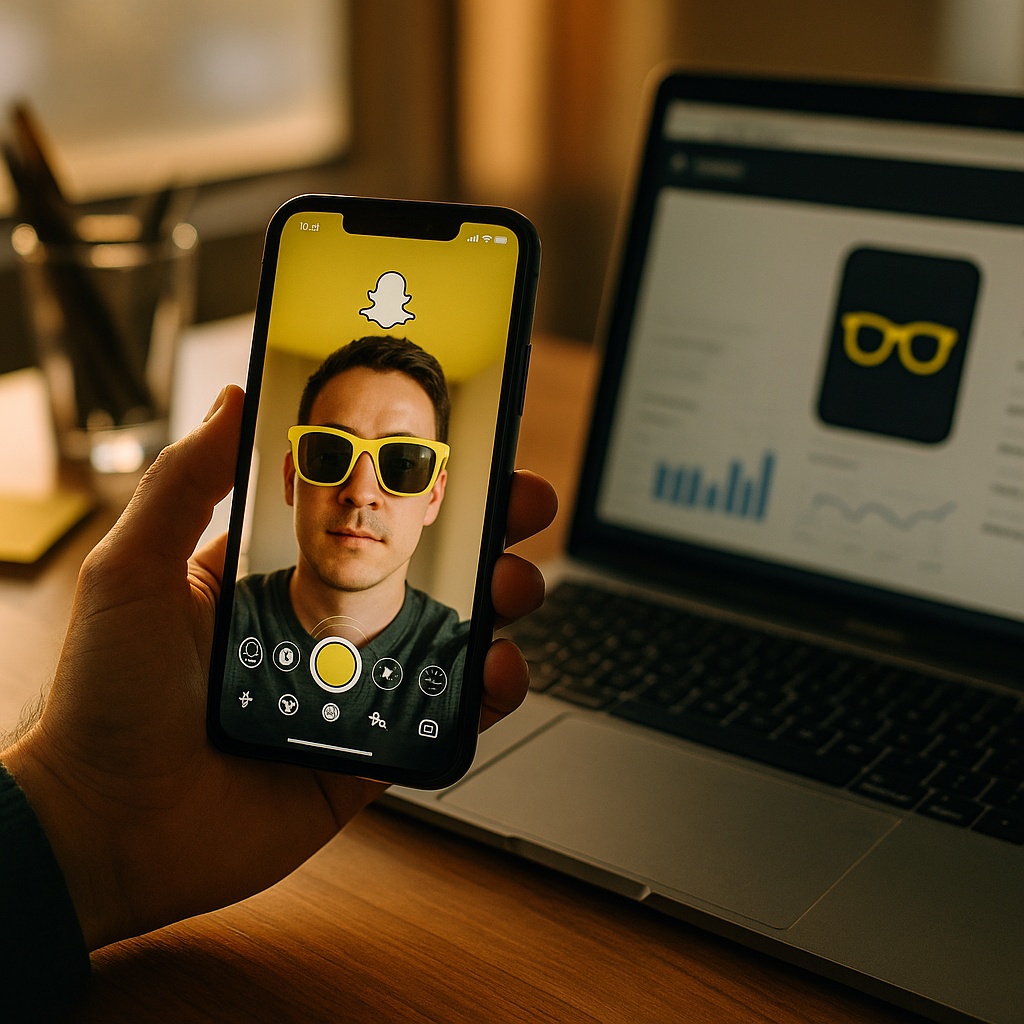
Snapchat AR Lens campaigns have transformed digital marketing by merging interactive branding with viral shareability. These engaging augmented reality filters help companies reach younger, mobile-first audiences in memorable ways. But how can marketers maximize their effectiveness? Discover expert strategies to plan, launch, and optimize your next AR Lens campaign for real business results.
Understanding Snapchat AR Lenses: The Foundation of Creative Marketing
AR Lens campaigns on Snapchat allow marketers to layer digital content onto the real world, creating immersive experiences through users’ smartphone cameras. Snapchat’s Lenses let brands encourage playful interaction, from trying on virtual sunglasses to featuring animated mascots. With over 350 million people engaging with AR daily on Snapchat in 2025, the platform offers unparalleled reach and real-time engagement.
Brands such as Nike, Taco Bell, and Louis Vuitton continue to innovate with AR Lenses that complement their campaign goals. By leveraging Snapchat’s proprietary Lens Studio, marketers gain access to a suite of creative tools and analytics to track performance—from impressions to dwell time.
Setting Realistic Objectives: Crafting a Winning Snapchat AR Campaign Strategy
Effective Snapchat AR Lens campaigns start with clear, data-driven objectives. Consider what you want your audience to do: increase awareness, drive in-store foot traffic, promote product trials, or boost app downloads. Setting these goals empowers you to align creative strategy and track return on investment (ROI).
- Brand Awareness: Build buzz with shareable, interactive Lenses that invite organic exposure through user-generated content.
- Engagement: Encourage playful participation with gamified Lens features or branded challenges.
- Conversion: Leverage AR try-on or product visualization to move users further down the purchase funnel.
Before launching, decide which performance metrics matter most: reach, shares, scan rates, dwell time, or conversions. Snapchat’s Ads Manager provides real-time analytics to guide ongoing optimization.
Design Best Practices: Creating Compelling and Effective AR Lenses
A standout AR Lens balances creative appeal and strategic intent. Here’s how top marketers in 2025 approach AR Lens design:
- Simplicity: Design visually impactful experiences that are intuitive to use, avoiding excessive complexity or lag.
- Brand Integration: Subtly incorporate logos, slogans, or products to reinforce brand identity without overwhelming the user.
- Interactive Elements: Utilize facial recognition, gesture response, or voice activation to drive authentic engagement.
- Localization: Adapt AR content for regional events, cultural references, or languages to increase relevance.
Partnering with certified Snapchat AR creators or using the platform’s latest templates can streamline production while ensuring your Lens meets both platform guidelines and user expectations. Regularly test for technical performance to prevent issues that could disrupt the user experience.
Audience Targeting and Distribution: Delivering AR Lenses to the Right Users
Snapchat’s audience is predominantly Gen Z and Millennials—digital natives who crave innovation and authenticity. To connect with your ideal users:
- Demographic Targeting: Select age, gender, location, interests, and device types relevant to your campaign.
- Contextual Placement: Deploy Lenses during key moments, such as product launches or sporting events, for maximum impact.
- Sponsored Promotions: Boost reach with Snapchat’s paid ad formats, ensuring your Lens appears in the carousel or camera feed of high-intent users.
- Organic Spread: Encourage users to share their creations, driving exponential exposure among peer networks.
Use Snapchat Insights to analyze audience receptivity. Adjust target parameters mid-campaign—such as geography or interests—for better resonance and ROI.
Measuring Success: Analyzing Performance Metrics of Snapchat AR Campaigns
Effective campaign analysis is critical to maximizing future AR investments. Snapchat provides actionable metrics, allowing marketers to assess both quantitative reach and qualitative impact:
- Impressions and Unique Reach: Monitor how many users interacted with your Lens.
- Engagement Rate: Evaluate shares, saves, and screenshots to gauge resonance.
- Dwell Time: Longer interactions often signal higher engagement and intent.
- Conversion Actions: Track downstream metrics, including swipe-ups for app downloads, product page visits, or instore QR coupon redemptions.
Advanced integrations with Google Analytics and third-party attribution tools make it easier to connect AR engagement with off-platform behaviors—key for omnichannel brands.
For continuous improvement, run A/B tests with different creative variants and leverage learnings from each campaign iteration.
Future Trends: The Evolving Role of AR Lenses in Brand Storytelling
In 2025, AR Lenses on Snapchat are evolving beyond playful filters into interactive storytelling tools. Integrations with AI-driven personalization, commerce features, and real-time data signals are making Lenses smarter and more relevant. Leading marketers are developing persistent AR experiences tied to retail environments, entertainment, and seasonal moments, fostering deeper connections and measurable results.
Brands investing in AR experimentation today are seeing increased loyalty and lifetime value among mobile-savvy generations. As AR hardware adoption grows, expect greater realism and utility for marketers—underscoring the importance of staying agile and creative.
FAQs about Snapchat AR Lens Campaigns
- How much does it cost to run a Snapchat AR Lens campaign?
Budget requirements vary. Self-serve Lenses can start as low as a few hundred dollars, but large branded activations can run into the tens of thousands, depending on reach and complexity. - Are AR Lenses effective for small businesses?
Yes. Snapchat offers local targeting and budget flexibility, allowing small brands to drive walk-in traffic and local awareness with regionally-customized Lenses. - Do I need technical expertise to create a Lens?
Not necessarily. Snapchat’s Lens Studio provides intuitive templates for beginners. For complex Lenses, consider partnering with certified AR creators. - How long should a campaign run?
Most campaigns last from a few days to several weeks, depending on objectives. Testing short bursts around key events often maximizes impact. - Can Snapchat AR campaigns be used for direct sales?
Absolutely. Marketers increasingly use AR try-on or virtual product demos to drive in-app purchases or direct clicks to ecommerce sites.
Snapchat AR Lens campaigns in 2025 deliver playful, measurable value to marketers who think creatively and execute strategically. By following best practices in design, targeting, and performance analysis, your brand can capture real attention and convert engagement into tangible business outcomes.