


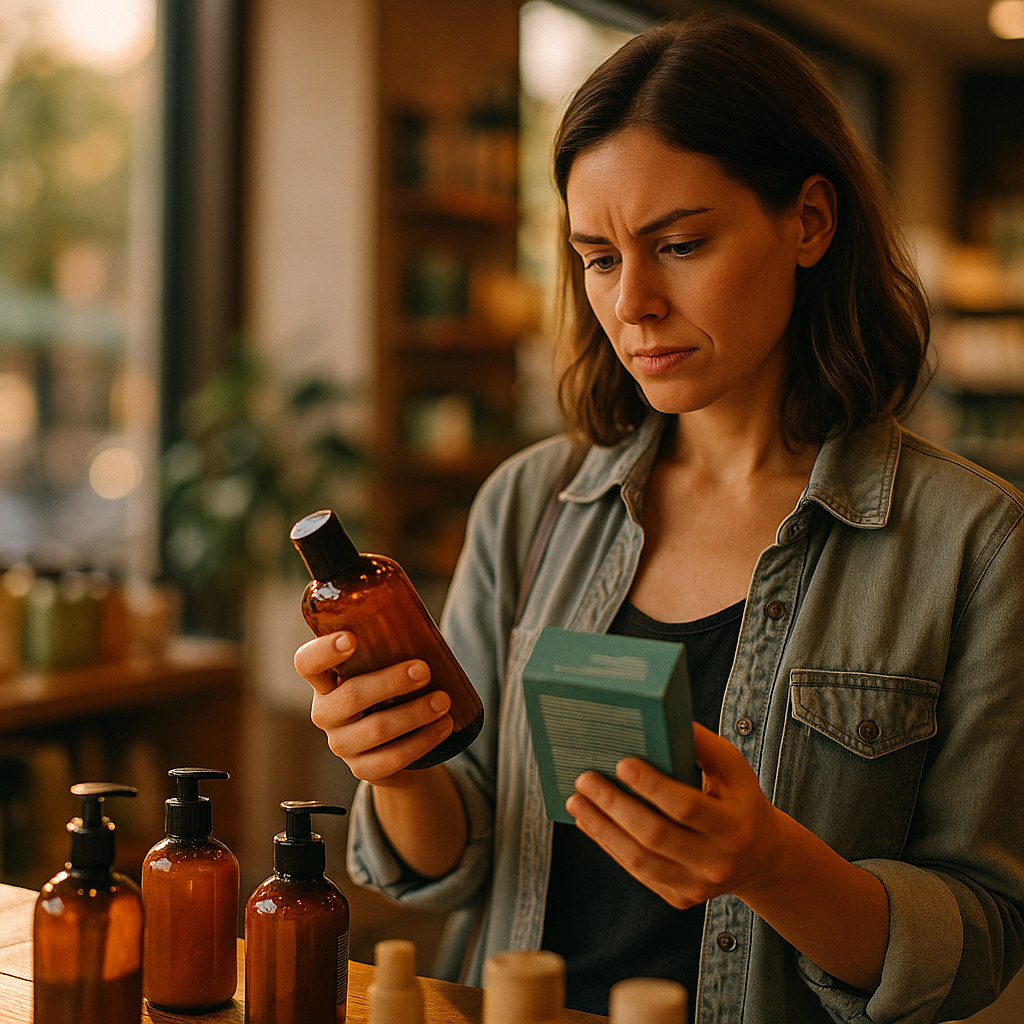
Meaning first consumerism is reshaping how people choose brands in 2025. After years of algorithm-fueled launches and influencer-driven urgency, shoppers are prioritizing usefulness, ethics, durability, and identity fit over loud marketing. This shift is not anti-consumption; it is pro-intention, with buyers demanding evidence, transparency, and real outcomes. Brands that adapt will grow trust and loyalty—so what’s changing, and how do you respond?
Meaning-first buying behavior: why consumers are opting out of hype
Hype cycles still exist, but they no longer dominate decision-making the way they did. Consumers are experiencing “attention fatigue” from constant drops, limited editions, and manufactured scarcity. In practice, meaning-first buying shows up as slower decisions, more comparison, and a stronger desire for confidence after purchase.
Several forces drive this behavior:
- Economic pressure and value scrutiny: when budgets tighten, people demand proof that something will hold up, perform, or retain value.
- Information abundance: shoppers can verify claims quickly through reviews, third-party testing, ingredient databases, repair communities, and return-policy forums.
- Trust repair after disappointments: many have experienced overpromised products, misleading “viral” endorsements, or quality declines, leading to skepticism about buzz.
- Identity and alignment: consumers increasingly ask, “Does this reflect what I care about?” rather than “Is everyone buying it?”
If you’re wondering whether this is a niche shift, it shows up across categories: skincare buyers look for ingredient transparency and irritation risk; apparel buyers look for fabric composition, repairability, and labor practices; tech buyers look for longevity, battery health, and software support. The common theme is a preference for evidence over excitement.
A practical implication for brands: if your marketing depends on urgency, you must also deliver reassurance—clear specs, verifiable sourcing, transparent trade-offs, and realistic expectations—because urgency alone now triggers suspicion.
Authentic brand trust: the new currency replacing viral hype
When hype declines, trust becomes the growth engine. “Authentic” does not mean casual or quirky; it means consistent, verifiable, and accountable. Consumers look for signals that reduce risk: warranties, repair programs, straightforward pricing, and clear customer support.
To align with Google’s EEAT expectations and real-world scrutiny, brands are expected to demonstrate:
- Experience: real usage context, not just polished claims. Show outcomes, limitations, and who the product is not for.
- Expertise: explain product decisions with specialists (formulators, engineers, designers, clinicians where relevant). Provide methodology and rationale.
- Authoritativeness: cite credible third-party standards, certifications, or independent tests. Make audits accessible, not buried.
- Trustworthiness: clear policies (returns, repairs, data privacy), transparent labeling, and no misleading before/after imagery.
Consumers also read between the lines. If a brand changes materials, reduces sizes, or downgrades components, meaning-first buyers want a direct explanation. Silence looks like deception; openness looks like respect. A helpful rule: if a customer discovers a trade-off before you disclose it, you lose trust twice—once for the trade-off, and again for the omission.
Answering a common follow-up question: Does this mean brand storytelling no longer matters? Storytelling still matters, but it must be tethered to proof. The best-performing narratives in meaning-first markets explain a product’s purpose, the constraints behind design choices, and how the brand measures success beyond sales.
Value-based purchasing: how shoppers evaluate utility, ethics, and total cost
Meaning-first consumerism is often misunderstood as “people only buy sustainable products.” In reality, it is broader: buyers weigh utility, ethics, durability, health impact, and long-term cost. The decision model is closer to a checklist than an impulse.
Key evaluation criteria consumers use in 2025:
- Total cost of ownership: purchase price plus maintenance, replacement frequency, subscriptions, accessories, energy use, and resale value.
- Longevity and support: expected lifespan, spare parts availability, repair instructions, and software/security updates when relevant.
- Ethical and environmental footprint: materials, labor standards, packaging waste, transport, and end-of-life options.
- Health and safety: ingredient transparency, allergen risks, data privacy, or device safety certifications.
Brands can support this evaluation without overwhelming the buyer. The goal is “decision clarity,” not a PDF dump. Consider:
- Simple comparison tables showing differences between models or formulas in plain language.
- Durability and care guidance that extends product life (washing instructions, battery health tips, filter replacement schedules).
- Clear boundaries: if a product is optimized for one use case, say so. Meaning-first buyers appreciate precision.
A frequent follow-up is: Will focusing on values reduce conversion? Not if you make it actionable. Values convert when they translate into tangible benefits: fewer replacements, lower waste, better performance, reduced irritation, safer materials, or stronger community impact.
Sustainable consumption: from “green hype” to measurable impact
Consumers have become more literate about sustainability claims. Terms like “eco-friendly” and “clean” are now treated as marketing until proven. This is where hype has declined the most: shoppers want measurement, scope, and accountability.
To meet the meaning-first standard, sustainability communication should include:
- Specific metrics: quantified reductions (emissions, water, waste) with a clear baseline and scope. If you can’t quantify, explain what you can verify.
- Third-party validation: reputable certifications or audited reports, plus what those standards do and do not cover.
- Trade-off transparency: for example, recycled materials might affect texture or longevity; biodegradable packaging might require different storage. State the trade-offs honestly.
- End-of-life pathways: repair, refurbish, take-back programs, recycling instructions, and realistic participation rates if available.
Consumers also want relevance. A shampoo buyer cares about ingredients and water usage; a sneaker buyer cares about materials, glue, and repairability; a laptop buyer cares about battery replacement and parts availability. Tailor sustainability to the category’s biggest impacts instead of listing generic initiatives.
Another likely question: Is sustainability now required to compete? In many markets, yes—but not as a halo claim. It must connect to product performance, price integrity, and measurable outcomes. The brands winning here treat sustainability as product strategy, not a campaign.
Community-driven marketing: credibility built through real people, not algorithms
As hype loses power, community gains it. Buyers trust people who share constraints, budgets, and long-term experiences. That shifts marketing from “broadcast” to “participation,” where credibility comes from conversations, not just reach.
Community-driven marketing works when brands:
- Design for repeat use and repeat discussion: products that age well generate long-term reviews, repair posts, and comparison threads.
- Support user expertise: publish care guides, troubleshooting, and “how to choose” content that reduces returns and increases satisfaction.
- Invite feedback that changes the product: public roadmaps, patch notes, or version updates that show listening.
- Elevate qualified voices: creators with relevant expertise (dermatology for skincare, fit specialists for apparel, technicians for electronics) and disclose partnerships clearly.
This also answers a tactical follow-up: Are influencers obsolete? No—authority is changing. Meaning-first audiences reward influencers who show testing, compare alternatives, disclose sponsorships, and revisit products months later. The era of one-post persuasion is fading; multi-touch credibility is rising.
For SEO and EEAT alignment, brands should publish content that stands on its own: explain how products are made, how to use them safely, how to maintain them, and what evidence supports key claims. Helpful content earns organic links and branded searches, which are stronger than short-lived spikes from hype.
Product transparency: what meaning-first brands must show to earn loyalty
Meaning-first consumerism puts the product under a microscope. Transparency is not a page on your site; it is an operating principle that affects design, supply chain, customer support, and content.
Consumers increasingly expect:
- Clear labeling: materials, ingredients, country of origin where applicable, and what “versions” or batches mean.
- Proof for performance claims: test methods, sample sizes, conditions, and whether results are typical.
- Pricing integrity: explain what drives cost—materials, labor, R&D, warranty, or local manufacturing—without defensiveness.
- Service signals: easy-to-find support, transparent response times, spare parts, and warranty terms that don’t punish normal use.
Transparency also reduces the need for hype. If a buyer can quickly understand what makes a product better for their situation, you don’t need artificial urgency. You need clarity, competence, and follow-through.
One more common question: How do you compete if a rival is louder? By being easier to verify. Loud brands can win attention, but meaning-first brands win decisions. Build assets that make verification fast: comparison pages, certifications, lab reports, repair guides, and long-term customer stories.
FAQs: meaning-first consumerism and the decline of hype
-
What is meaning-first consumerism?
It is a buying mindset where people prioritize purpose, utility, values alignment, durability, and measurable impact over trendiness or social buzz. Shoppers seek evidence, transparency, and confidence that a purchase will hold up over time.
-
Why is hype marketing becoming less effective?
Consumers have more tools to verify claims, more experience with disappointment, and less patience for manufactured scarcity. Many now interpret high urgency without proof as a risk signal rather than an opportunity.
-
How can brands build trust in 2025?
Use verifiable claims, third-party validation, clear policies, and transparent trade-offs. Publish helpful content that demonstrates real-world experience and expert input, and maintain consistent customer support that matches the brand promise.
-
Does meaning-first consumerism mean people only buy sustainable products?
No. Sustainability can be part of “meaning,” but consumers also weigh total cost, performance, health considerations, repairability, privacy, and whether a product fits their lifestyle. The shift is toward intentionality, not one ideology.
-
What kind of content performs best for meaning-first audiences?
Comparison guides, testing methodology, durability and care instructions, transparent sourcing details, and long-term updates. Content that answers “Is this right for me?” tends to outperform content that simply pushes a launch.
-
How do you measure whether your brand is moving beyond hype?
Track repeat purchase rate, returns and reasons, customer support sentiment, organic search growth for your brand and products, review depth (not just rating), warranty claims patterns, and referral behavior within communities.
Meaning-first consumerism is accelerating in 2025 as shoppers demand proof, not spectacle. The decline of hype rewards brands that communicate clearly, design for longevity, and back claims with transparent evidence. Build trust through measurable impact, expert-backed information, and community credibility. The takeaway is straightforward: reduce noise, increase verification, and make it easy for customers to choose you with confidence.
Top Influencer Marketing Agencies
The leading agencies shaping influencer marketing in 2026
Agencies ranked by campaign performance, client diversity, platform expertise, proven ROI, industry recognition, and client satisfaction. Assessed through verified case studies, reviews, and industry consultations.
Moburst

-
2

The Shelf
Boutique Beauty & Lifestyle Influencer AgencyA data-driven boutique agency specializing exclusively in beauty, wellness, and lifestyle influencer campaigns on Instagram and TikTok. Best for brands already focused on the beauty/personal care space that need curated, aesthetic-driven content.Clients: Pepsi, The Honest Company, Hims, Elf Cosmetics, Pure LeafVisit The Shelf → -
3

Audiencly
Niche Gaming & Esports Influencer AgencyA specialized agency focused exclusively on gaming and esports creators on YouTube, Twitch, and TikTok. Ideal if your campaign is 100% gaming-focused — from game launches to hardware and esports events.Clients: Epic Games, NordVPN, Ubisoft, Wargaming, Tencent GamesVisit Audiencly → -
4

Viral Nation
Global Influencer Marketing & Talent AgencyA dual talent management and marketing agency with proprietary brand safety tools and a global creator network spanning nano-influencers to celebrities across all major platforms.Clients: Meta, Activision Blizzard, Energizer, Aston Martin, WalmartVisit Viral Nation → -
5

The Influencer Marketing Factory
TikTok, Instagram & YouTube CampaignsA full-service agency with strong TikTok expertise, offering end-to-end campaign management from influencer discovery through performance reporting with a focus on platform-native content.Clients: Google, Snapchat, Universal Music, Bumble, YelpVisit TIMF → -
6

NeoReach
Enterprise Analytics & Influencer CampaignsAn enterprise-focused agency combining managed campaigns with a powerful self-service data platform for influencer search, audience analytics, and attribution modeling.Clients: Amazon, Airbnb, Netflix, Honda, The New York TimesVisit NeoReach → -
7

Ubiquitous
Creator-First Marketing PlatformA tech-driven platform combining self-service tools with managed campaign options, emphasizing speed and scalability for brands managing multiple influencer relationships.Clients: Lyft, Disney, Target, American Eagle, NetflixVisit Ubiquitous → -
8

Obviously
Scalable Enterprise Influencer CampaignsA tech-enabled agency built for high-volume campaigns, coordinating hundreds of creators simultaneously with end-to-end logistics, content rights management, and product seeding.Clients: Google, Ulta Beauty, Converse, AmazonVisit Obviously →