


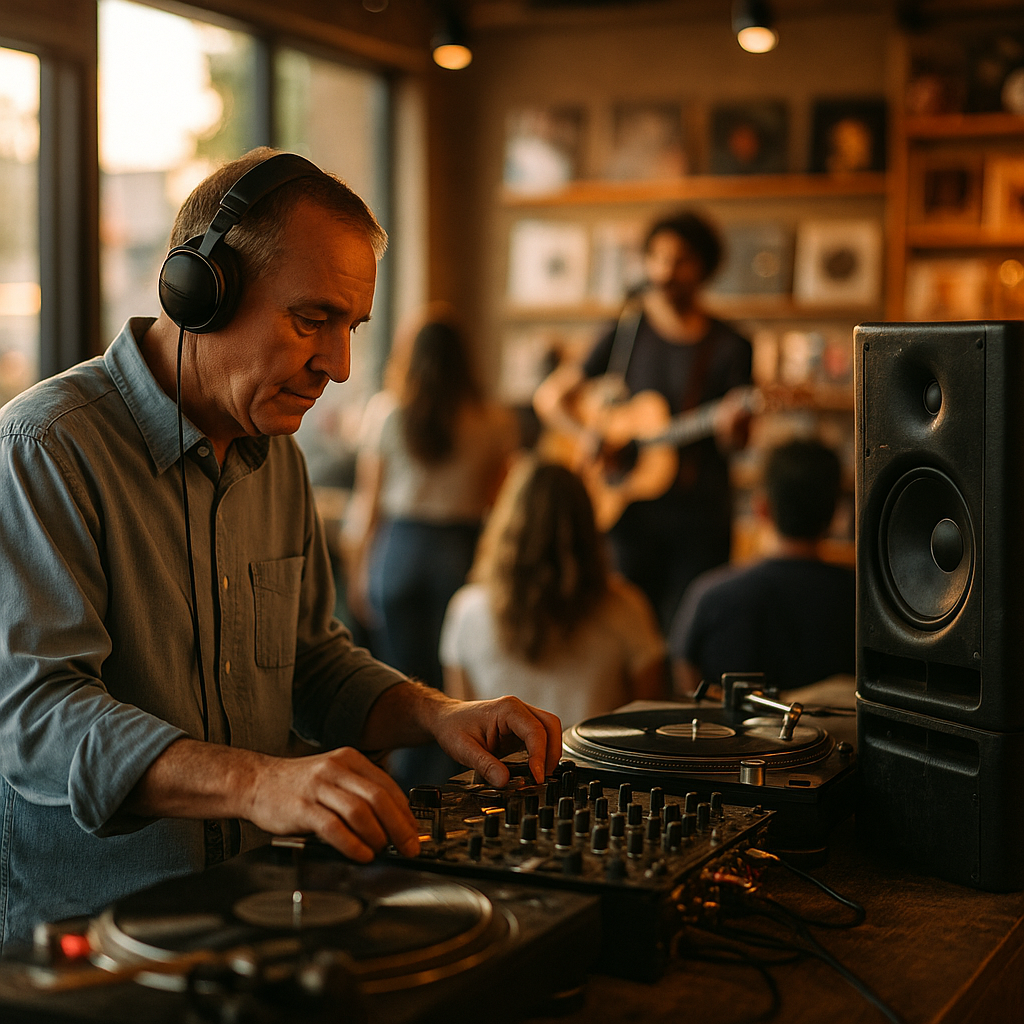
Understanding music licensing for live events and in-store experiences is crucial for businesses and event organizers aiming to create memorable atmospheres while staying fully compliant with copyright laws. Ignoring this step can lead to costly legal issues. Unlock the full potential of your business ambiance—discover everything you must know about music licensing today.
Why Music Licensing Matters for Public Performances
When songs are played in any public setting—be it a bustling retail store, trendy restaurant, or large-scale live concert—the music is considered a public performance under copyright law. The artists, composers, and publishers behind every track deserve compensation for the commercial use of their creations. The performing rights organizations (PROs), like ASCAP, BMI, and SESAC in the United States, ensure creators are paid when their work is used in a business or event context.
According to the International Federation of the Phonographic Industry (IFPI), global music revenue hit a record high in 2024, with performance rights making up a vital revenue stream for musicians. Failing to secure music licenses can result in fines, lawsuits, or even having music streaming services suspended. Whether hosting live bands or streaming digital playlists in-store, proper licensing is not just ethical—it’s essential for legal and reputational security.
Types of Music Licenses for Events and Retail Spaces
Choosing the right music license for business use can seem complex. The requirements depend on the type of music and how it’s delivered to audiences. Here are the primary types:
- Public Performance License: The most common license, required whenever music is played in public. PROs handle licensing on behalf of songwriters and music publishers.
- Master Use License: Necessary when you want to use a particular recording (not just the song itself) in your event or business.
- Mechanical License: Needed if you record or reproduce music that will be played as part of your experience (less common for live or in-store use unless you’re distributing copies).
- Sync License: Required when music is combined with visual media or video installations in your venue.
For most live events and retail spaces in 2025, securing a public performance license through a PRO covers the most typical scenarios. Still, using cover bands, DJs, or multimedia installations may require additional or specific rights. Consult directly with the rights holders or licensing agencies when planning more complex experiences.
How to Obtain Music Licenses for Venues and Businesses
Securing music licenses for events and retail environments has become much easier thanks to digital solutions and streamlined services. Here is a step-by-step guide for businesses and event planners:
- Identify Your Needs: Outline how music will be used—whether it’s through live performers, DJs, curated playlists, or multimedia displays.
- Contact the Relevant PROs: Most businesses can obtain blanket licenses from organizations like BMI, ASCAP, or SESAC. These licenses cover a broad repertoire and offer flexibility for nearly all mainstream music.
- Consider Blanket Licenses for Simplicity: Blanket licenses, renewed annually, allow unlimited public performances from the PRO’s catalogs. In 2025, online applications make this process efficient and transparent.
- Special Cases: For using music outside major catalogs or specific works, reach out to the actual copyright owners for direct negotiation and licensing.
- Keep Documentation: Always maintain digital records of your license agreements, payment confirmations, and communications with PROs. This protects your business in the event of a dispute or audit.
Platforms like Soundtrack Your Brand or Cloud Cover Music also offer streamlined, business-friendly music services that handle licensing automatically, ensuring full compliance for in-store experiences.
The Legal and Financial Risks of Playing Unlicensed Music
Using music without the appropriate license is a clear violation of copyright law. The U.S. Copyright Office, in its latest 2025 report, highlighted a rise in enforcement against unauthorized use in retail and event settings. Fines for non-compliance can range from $750 to $150,000 per song, per violation—substantial enough to threaten small businesses or tarnish an event organizer’s reputation.
Legal consequences may include:
- Cease and Desist Orders: Immediate demands to stop the unlicensed performance.
- Litigation: Lawsuits pursued by PROs or rights holders, sometimes resulting in court-mandated compensation.
- Business Disruption: Unlicensed music can lead to music streaming service suspensions or event cancellations.
In today’s digital era, PROs use sophisticated monitoring technology, making unauthorized use more detectable than ever. Proactively licensing music demonstrates professionalism, upholds artist rights, and protects your business from potentially devastating legal actions.
Enhancing the Customer Experience Through Licensed Music
A well-chosen soundtrack does more than fill silence; it influences customer perception, drives sales, and creates memorable in-store or event atmospheres. According to a Nielsen study released in 2024, 75% of consumers report that background music improves their shopping experience, while 68% are more likely to return to stores that play music suited to the environment.
Some benefits of properly licensed music include:
- Brand Differentiation: Custom playlists tailored to your target audience can reinforce your business identity and values.
- Legal Peace of Mind: Licensed tracks mean you never have to worry about accidental copyright infringement or legal interruptions during high-profile events.
- Flexibility: Blanket licenses and commercial music platforms let you curate your venue’s ambiance from a vast catalog, with the ability to switch moods as needed.
Investing in licensed music is an investment in your brand’s atmosphere, customer loyalty, and operational security. Whether you’re throwing a one-night gala or running a retail chain, prioritizing music licensing gives you full creative freedom—responsibly.
Choosing the Right Music Provider for 2025
With the advancements in music streaming and the proliferation of business-friendly music services, selecting a music provider in 2025 involves more than just choosing playlists. Consider these factors:
- Licensing Coverage: Ensure the provider offers comprehensive licensing that meets your venue’s needs. Ask specifically about coverage for DJs, live acts, or online events if relevant.
- User Experience: Look for platforms with intuitive content management, remote control features, and analytics to track customer engagement.
- Music Selection: A rich library spanning genres, moods, and eras enables better audience engagement and supports brand storytelling.
- Customer Support: Responsive customer service is invaluable when managing multiple sites or events, especially for legal or technical queries.
Some providers specialize in particular industries—be it retail, hospitality, or fitness—offering curated solutions and ensuring your business remains musically current and fully compliant.
FAQs on Music Licensing for Live Events and In-Store Experiences
- Do I need a music license if I use Spotify or Apple Music in my store?
No. Consumer streaming services like Spotify and Apple Music are not licensed for public or commercial use. You need a specific business or public performance license from a PRO or a commercial music service. - Is a license required for live bands or DJs at my event?
Yes. Even if the performers have purchased music, the venue or event organizer must secure proper licensing for the public performance of the music. - What music can I play without a license?
You can play royalty-free music, works in the public domain, or original compositions for which you have explicit rights. All other music requires appropriate licensing. - How much does a music license cost for a small business?
Costs vary by venue size, music usage, and provider. In 2025, annual licenses for small retail stores typically range from $350 to $700, but prices may differ by region and service features. - What happens if a business is caught playing unlicensed music?
The business may face legal action, fines, and reputational damage. PROs actively monitor compliance and enforce copyright laws.
Music licensing for live events and in-store experiences isn’t just a legal hoop—it’s foundational to building an engaging and compliant business environment. Secure the right licenses to protect your reputation, respect creators, and set your business up for lasting success in 2025 and beyond.