


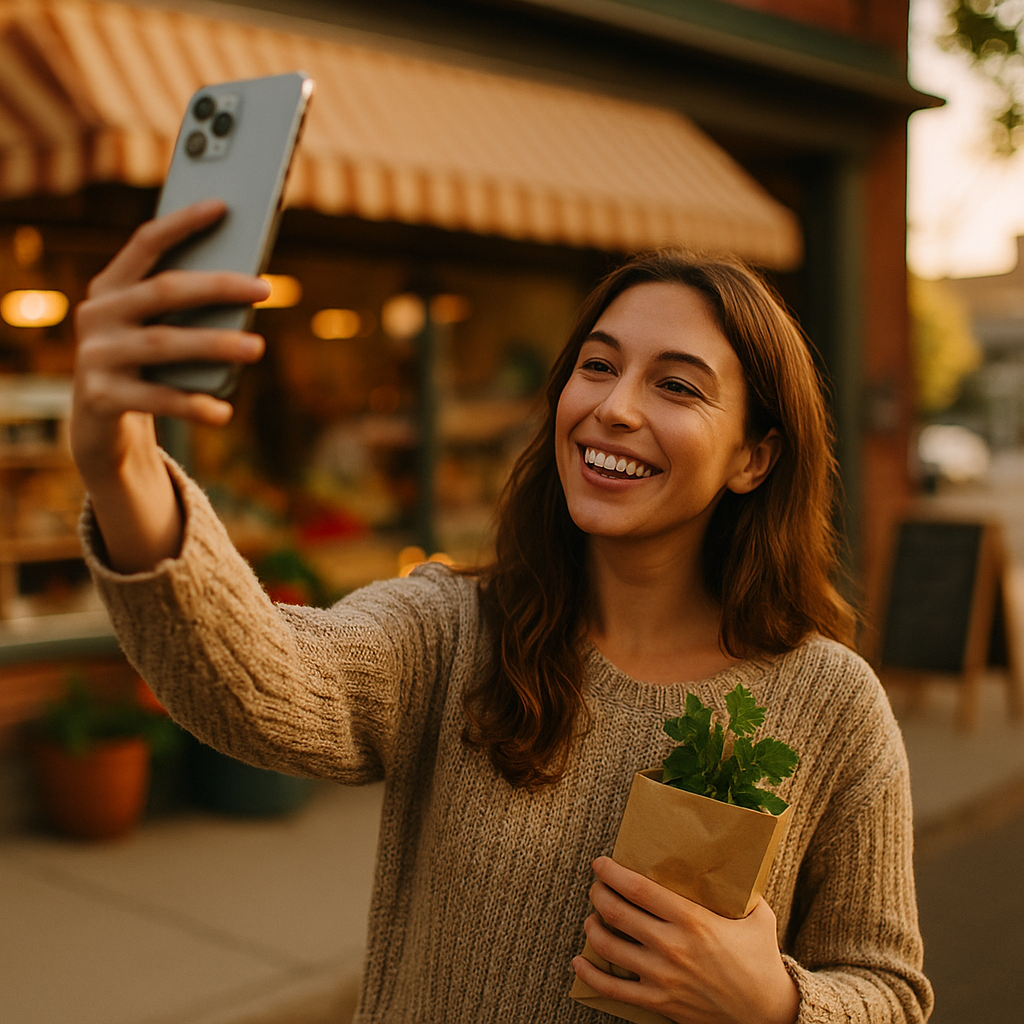
The rise of nano-influencers and hyper-local marketing is reshaping digital advertising, as brands seek authentic connections with closely-knit audiences. As businesses aim for measurable results in 2025, leveraging community engagement and personalized content offers a unique competitive edge. But how exactly are nano-influencers driving this seismic shift in marketing strategy?
Understanding Nano-Influencers: The Power of Small Audiences
Nano-influencers, typically defined as social media creators with 1,000 to 10,000 engaged followers, are transforming influencer marketing. Unlike mega-influencers, they cultivate high-trust relationships, rooted in genuine interactions with their audience. Brands increasingly turn to nano-influencers for their ability to spark conversations and drive action on a localized level.
According to recent 2025 industry insights, nano-influencers deliver up to 4x higher engagement rates compared to accounts with over 100,000 followers. Their recommendations feel more authentic because their followers often know them personally, whether offline or through recurring digital interactions. This close-knit dynamic means their endorsements carry significant weight, driving real-world purchasing decisions.
The Benefits of Hyper-Local Marketing for Brands
Hyper-local marketing focuses on targeting specific communities or neighborhoods, rather than broad geographic regions. By collaborating with nano-influencers who reside in these areas, brands can craft campaigns that speak directly to local interests, culture, and needs.
- Relevant Messaging: Nano-influencers understand local dialects, events, and pain points, enabling them to tailor messages that resonate deeply.
- Community Trust: Their recommendations are seen as more reliable, given their integration into the community’s daily life.
- Cost Efficiency: Campaigns with nano-influencers are significantly less expensive than those involving celebrities or macro-influencers, maximizing ROI while minimizing risk.
- Measurable Outcomes: Brands can track local foot traffic, coupon redemptions, or participation in nearby events to directly attribute results to hyper-local campaigns.
For example, small restaurants leveraging hyper-local marketing with nano-influencers in 2025 have consistently reported increases in both in-person visits and online reviews, highlighting the tangible business impact.
Why Brands Prefer Nano-Influencers in 2025
The influencer landscape has evolved rapidly. Brands today recognize that authenticity and community trust often outweigh massive reach. Collaborating with nano-influencers lets businesses:
- Foster Authentic Engagement: Followers value honest reviews and relatable stories over glossy, paid promotions.
- Drive Niche Awareness: Nano-influencers shine in vertical markets—think vegan eateries or neighborhood gyms—where word-of-mouth heavily influences decision-making.
- Encourage User-Generated Content: Their audiences are more likely to participate in campaigns, share brand experiences, and spread the message organically within the community.
Recently, a survey of marketers revealed that over 65% planned to increase their nano-influencer budgets in 2025, prioritizing relationships that inspire genuine endorsements and grassroots loyalty.
Crafting Successful Hyper-Local Campaigns with Nano-Influencers
To capitalize on this trend, brands must approach nano-influencer partnerships strategically. Here’s how to maximize the benefits of hyper-local marketing in 2025:
- Identify Genuine Community Leaders: Look for creators who actively participate in local activities and conversations, both online and offline.
- Prioritize Long-Term Relationships: Consistent collaborations help integrate brand messaging into community narratives, rather than one-off promotions.
- Co-create Content: Work with nano-influencers to develop authentic posts, videos, or event recaps that reflect real experiences and community culture.
- Leverage Local Events: Planning campaigns around neighborhood festivals, markets, or causes ensures relevance and drives higher participation rates.
- Measure Impact Closely: Use geo-targeted analytics, QR codes, or local redemption offers to track campaign effectiveness at the community level.
In 2025, successful case studies frequently involve cross-promotion between multiple nano-influencers within the same community, resulting in network effects and exponential local reach.
The Role of Technology in Hyper-Local Influencer Marketing
The surge in nano-influencer partnerships and hyper-local marketing would not be possible without advancements in technology. Several platforms now streamline the identification, vetting, and collaboration process for nano-influencers. Algorithms can parse location, demographic, and engagement data to connect brands with the most relevant community voices.
Technology also empowers brands to track hyper-local metrics in real time, enabling rapid course corrections. For instance, tools that monitor sentiment around a new product launch can provide feedback within hours, allowing brands to adjust messaging or target new micro-clusters swiftly.
Many nano-influencers use AI-powered content creation tools to maintain high-quality, personalized output even with limited resources, thereby increasing campaign scalability and impact for local businesses.
Challenges and Ethical Considerations in 2025
Despite the clear advantages, brands and creators face several challenges navigating the rise of nano-influencers and hyper-local marketing. Key issues include:
- Maintaining Authenticity: Over-commercialization or inauthentic partnerships can erode trust within tight-knit communities.
- Compliance with Disclosure Regulations: As nano-influencer marketing matures, clear ad disclosures and data privacy protections are critical to uphold legal standards and consumer trust.
- Managing Scale: Coordinating multiple hyper-local campaigns requires robust project management and communication to ensure message alignment and campaign efficiency.
To address these concerns, 2025 best practices include transparent partnership terms, ongoing education for influencers, and open feedback channels between brands, creators, and audiences.
Conclusion: Embracing Authenticity in 2025’s Hyper-Local Landscape
The rise of nano-influencers and hyper-local marketing in 2025 demonstrates a decisive shift towards authenticity, personalized content, and measurable community impact. Brands that prioritize trust, local relevance, and strong relationships stand to benefit most in a market eager for genuine connections and meaningful engagement.
FAQs: The Rise of Nano-Influencers and Hyper-Local Marketing
-
What is a nano-influencer?
A nano-influencer is a social media creator with 1,000 to 10,000 highly engaged followers, often serving specific niches or communities.
-
Why are nano-influencers effective in hyper-local marketing?
Nano-influencers have close ties to their communities, making their endorsements more trusted and relevant, which drives higher engagement and local action.
-
How can brands measure the impact of hyper-local campaigns?
Brands can use location-based analytics, track in-store visits, monitor local code redemptions, and solicit feedback specific to targeted communities to gauge effectiveness.
-
What industries benefit most from nano-influencer strategies?
Local retail, hospitality, food and beverage, wellness, and service industries often see the strongest ROI from hyper-local marketing with nano-influencers.
-
Are there risks with nano-influencer marketing?
Yes. Key risks include potential over-commercialization, unclear campaign disclosures, and difficulty managing multiple personalized campaigns at scale. However, following transparent, community-focused best practices mitigates these risks.