


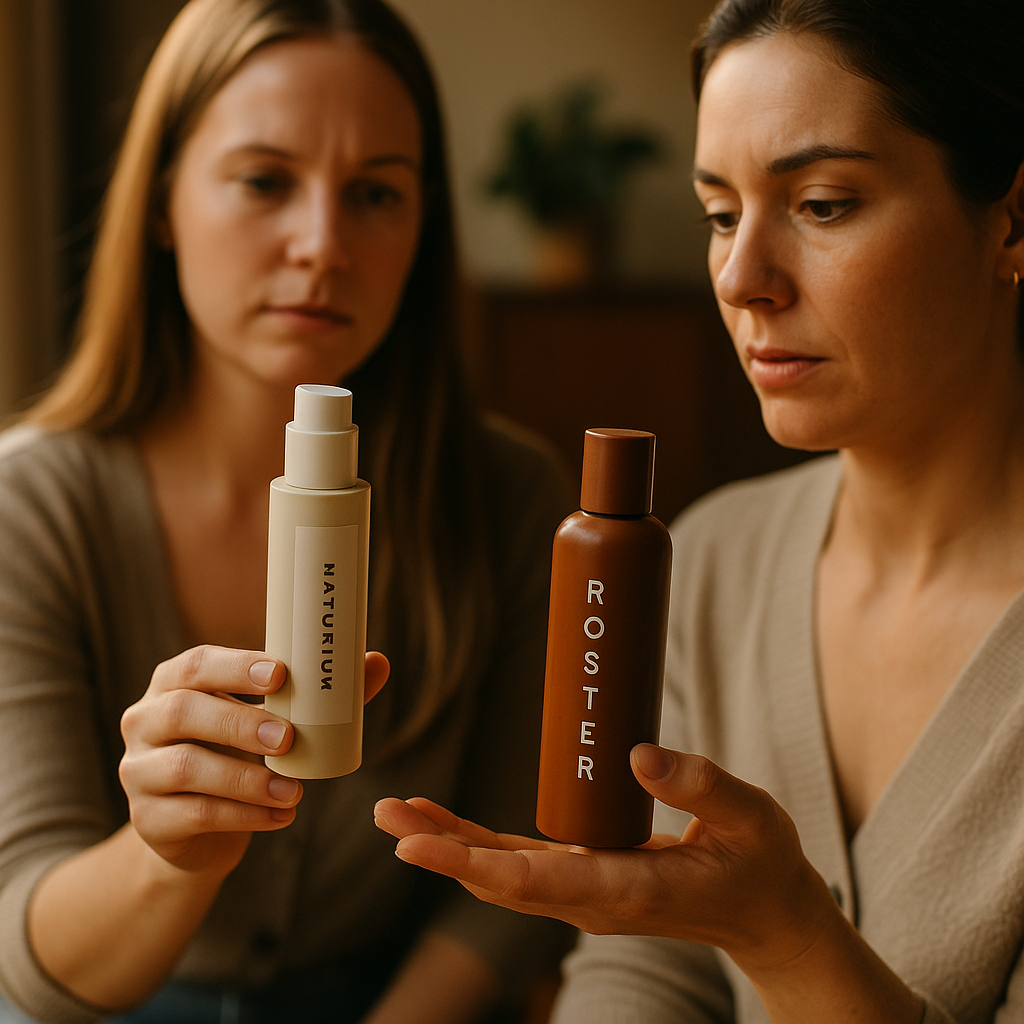
Beauty brands allocate, on average, 23% of their total marketing budget to influencer programs—yet most skip the most consequential architectural decision: single creator versus diversified roster. Naturium’s partnership with Bretman Rock makes that trade-off impossible to ignore.
The Naturium-Bretman Rock Case: What Actually Happened
Naturium, the skin-care brand co-founded by Susan Yara and acquired by E.l.f. Beauty, built meaningful cultural cachet through creator partnerships before its acquisition. The Bretman Rock alignment was among its most visible: a creator with 18+ million YouTube subscribers, a fiercely loyal Gen Z and millennial fanbase, and an identity that maps cleanly onto clean beauty values: expressive, inclusive, and skin-first.
On paper, the partnership checked every box. High organic affinity. Existing audience overlap. Strong content output. But it also concentrated significant brand awareness equity in a single creator voice, which raises a set of questions every beauty brand strategist should pressure-test before signing.
For a deeper breakdown of how this specific partnership architecture performed against category benchmarks, the analysis at Naturium single creator vs roster diversification is worth reading alongside this piece.
Attribution Clarity: Where Single-Creator Models Win
If your primary objective is clean, defensible measurement, a single-creator model has a structural advantage. When one creator drives a campaign, you can isolate lift with more confidence. Promo codes, UTM chains, and pixel-based attribution all benefit from less noise in the signal.
Multi-creator rosters create what analysts at Nielsen have described as halo contamination: audiences are exposed to the same brand message across multiple creators in overlapping windows, making it operationally difficult to assign credit without a sophisticated multi-touch model. For brands without a mature measurement stack, this produces attribution reports that feel precise but are functionally unreliable.
Single-creator campaigns can generate 30–40% cleaner last-touch attribution data compared to roster-distributed campaigns, simply because the exposure path is less fragmented. That clarity has direct implications for budget justification at the C-suite level.
The counterpoint: attribution clarity is only valuable if the underlying reach is sufficient. A single creator, no matter how engaged their audience, has an upper ceiling. Once you’ve saturated that audience, marginal returns decline quickly, and your attribution data gets cleaner while your growth stalls.
If you’re building the measurement infrastructure to support either model, the frameworks outlined in creator revenue attribution beyond reach provide a useful operational baseline.
Audience Trust: The Variable Most Brands Undervalue
Bretman Rock does not feel like an ad. That’s the point. His content integrates product naturally into a persona audiences have followed for years across YouTube, Instagram, and TikTok. That parasocial equity is real, measurable in brand lift studies, and genuinely difficult to replicate across a roster of mid-tier creators who haven’t built the same depth of relationship.
Trust operates differently at different creator tiers. Mega-creators like Bretman generate broad awareness and cultural association. They signal that a brand is legitimate, taste-forward, and worth paying attention to. Mid-tier and micro-creators, by contrast, generate higher relative engagement rates and more purchase-intent-proximate behavior, but individually they move smaller audiences.
The trust architecture you build depends on what you’re optimizing for. A newer brand (or one entering a new demographic) often benefits more from a single well-matched mega-creator partnership because the association itself does strategic work that 40 micro-creators cannot replicate. An established brand expanding shelf presence or driving repeat purchase may extract more value from a roster that reaches existing customers across multiple content contexts.
This is not a binary. Many sophisticated beauty programs run a lead creator for brand heat while surrounding that anchor with a diversified performance tier. The mistake is treating these as mutually exclusive choices rather than layered architecture decisions with distinct budget lines. See how dual-track creator investment models handle exactly this split.
Roster Diversification: Risk Distribution, Not Just Reach
The operational case for roster diversification goes beyond reach math. It’s a risk management argument.
Single-creator dependence creates reputational exposure. If your anchor creator faces a controversy, your brand’s influencer equity is immediately implicated. In beauty specifically, where brand values (sustainability, inclusivity, ingredient transparency) are core to consumer trust, creator conduct risk is a material business risk, not an edge case.
A diversified roster also gives you audience segment coverage that a single creator structurally cannot provide. Skin tone diversity, age-range coverage, skin type specificity: beauty purchases are deeply personal, and consumers consistently report higher purchase intent when they see their own skin type or complexion represented in content. A roster built across these dimensions isn’t just reach diversification; it’s relevance architecture.
The operational overhead, though, is real. Managing 30 creator relationships requires contract infrastructure, content approval workflows, compliance tracking, and performance reporting that most beauty brand teams are not staffed to handle without a dedicated creator operations function. For brands evaluating whether they have the internal capacity for roster management, the creator program governance checklist provides a practical readiness assessment.
Brand Lift: Category-Specific Dynamics in Beauty
Brand lift in beauty moves differently than in CPG or tech. Purchase cycles are short, repurchase intent is high, and social proof is embedded in the category’s consumer psychology. A well-placed TikTok from a trusted creator can generate a multi-week sales spike. That responsiveness cuts both ways.
Single-creator campaigns tend to generate sharper, more measurable lift events tied to specific content drops. Roster campaigns generate more sustained, diffuse lift that’s harder to attribute to a specific moment but often produces better brand equity scores over time, per brand measurement providers like Lucid and Kantar.
For beauty brands with retail distribution, this matters operationally. A single creator driving a spike in demand is useful if your supply chain can respond. If a post goes viral and shelves are empty, the brand lift becomes a satisfaction problem. Roster-distributed campaigns tend to produce more predictable, plannable demand curves.
Beauty brands running always-on programs should also consider how creator content feeds their paid amplification stack. The frameworks in always-on paid creator amplification outline how to systematize this regardless of roster structure.
How to Actually Decide: A Decision Framework for Brand Strategists
Here’s the honest version of the trade-off matrix:
- Choose single-creator architecture when: you’re launching a new brand or SKU and need strong cultural positioning quickly; your attribution infrastructure is limited; or you’ve identified a creator with exceptional audience-product fit whose influence in your target demographic is demonstrably outsized.
- Choose roster diversification when: you’re operating at scale across multiple SKUs or skin concerns; brand safety risk management is a priority; you need to cover multiple demographics or skin profiles; or your team has the operational infrastructure to manage it without quality degradation.
- Consider the hybrid anchor model when: you want brand heat from a lead creator plus performance reach from a supporting tier; you have budget segmented by objective; and your measurement framework can distinguish between brand lift (lead creator) and conversion (performance tier).
The Naturium-Bretman Rock partnership is a case study in the first scenario executed well. The brand used creator alignment to punch above its media weight, generate earned media, and build cultural credibility in a competitive clean beauty category. That was the right call for that stage and objective.
The architecture decision should follow the objective, not precede it. Brands that choose a roster model simply because it feels safer, or a single creator because the talent is exciting, are making structural decisions based on instinct rather than strategy.
For brands scaling their creator investment into a formal paid media line, the budget allocation models at creator spend as core paid media are directly applicable here.
The FTC’s updated disclosure requirements also apply differently at scale. A single-creator campaign with clear disclosure is operationally simpler to keep compliant than a 30-creator roster where one partner misses a hashtag. Review current guidelines at FTC.gov before finalizing either architecture.
Your next move: map your current campaign objectives against the three-scenario framework above, then audit whether your measurement infrastructure can actually support the attribution model each scenario requires before you commit budget.
Frequently Asked Questions
What is the main trade-off between a single-creator and a roster-diversified campaign for beauty brands?
A single-creator campaign offers cleaner attribution, stronger brand association, and lower operational overhead, but concentrates audience reach and reputational risk in one relationship. A diversified roster spreads risk, enables audience segmentation across skin type, age, and tone, and tends to produce more sustained brand lift—but requires significantly more operational infrastructure to manage effectively.
How did Naturium’s Bretman Rock partnership illustrate the single-creator model?
The partnership demonstrated how a beauty brand can use a high-affinity mega-creator to generate cultural credibility and brand equity quickly. Bretman Rock’s established audience trust, authentic content style, and demographic alignment with Naturium’s target consumer made the partnership an efficient vehicle for brand awareness. It also illustrates the concentration risk inherent in anchoring brand identity to a single creator voice.
Does a roster-diversified creator strategy always produce better ROI for beauty brands?
Not necessarily. Roster diversification improves reach coverage and risk distribution, but it also dilutes attribution clarity and increases operational costs. For brands at early growth stages or with limited measurement infrastructure, a single-creator or anchor-plus-performance-tier model often delivers better measurable ROI. The right architecture depends on the brand’s stage, objectives, and internal operational capacity.
How should beauty brands measure brand lift from influencer campaigns?
Brand lift in beauty is typically measured through a combination of brand awareness surveys (using tools from providers like Kantar or Lucid), share of voice tracking, search volume uplift, and sales velocity data correlated with content drop timing. Single-creator campaigns tend to produce sharper, event-linked lift signals, while roster campaigns produce more diffuse but sustained equity improvements that require longer measurement windows.
What compliance considerations apply to single-creator versus roster models?
FTC disclosure requirements apply to both models, but compliance management is operationally more complex in a diversified roster. Each creator relationship requires disclosure monitoring, and a single missed tag across a large roster can create regulatory exposure. Single-creator partnerships are easier to audit and keep compliant. Brands running large rosters should invest in compliance tooling or agency oversight to manage disclosure at scale.
Top Influencer Marketing Agencies
The leading agencies shaping influencer marketing in 2026
Agencies ranked by campaign performance, client diversity, platform expertise, proven ROI, industry recognition, and client satisfaction. Assessed through verified case studies, reviews, and industry consultations.
Moburst

-
2

The Shelf
Boutique Beauty & Lifestyle Influencer AgencyA data-driven boutique agency specializing exclusively in beauty, wellness, and lifestyle influencer campaigns on Instagram and TikTok. Best for brands already focused on the beauty/personal care space that need curated, aesthetic-driven content.Clients: Pepsi, The Honest Company, Hims, Elf Cosmetics, Pure LeafVisit The Shelf → -
3

Audiencly
Niche Gaming & Esports Influencer AgencyA specialized agency focused exclusively on gaming and esports creators on YouTube, Twitch, and TikTok. Ideal if your campaign is 100% gaming-focused — from game launches to hardware and esports events.Clients: Epic Games, NordVPN, Ubisoft, Wargaming, Tencent GamesVisit Audiencly → -
4

Viral Nation
Global Influencer Marketing & Talent AgencyA dual talent management and marketing agency with proprietary brand safety tools and a global creator network spanning nano-influencers to celebrities across all major platforms.Clients: Meta, Activision Blizzard, Energizer, Aston Martin, WalmartVisit Viral Nation → -
5

The Influencer Marketing Factory
TikTok, Instagram & YouTube CampaignsA full-service agency with strong TikTok expertise, offering end-to-end campaign management from influencer discovery through performance reporting with a focus on platform-native content.Clients: Google, Snapchat, Universal Music, Bumble, YelpVisit TIMF → -
6

NeoReach
Enterprise Analytics & Influencer CampaignsAn enterprise-focused agency combining managed campaigns with a powerful self-service data platform for influencer search, audience analytics, and attribution modeling.Clients: Amazon, Airbnb, Netflix, Honda, The New York TimesVisit NeoReach → -
7

Ubiquitous
Creator-First Marketing PlatformA tech-driven platform combining self-service tools with managed campaign options, emphasizing speed and scalability for brands managing multiple influencer relationships.Clients: Lyft, Disney, Target, American Eagle, NetflixVisit Ubiquitous → -
8

Obviously
Scalable Enterprise Influencer CampaignsA tech-enabled agency built for high-volume campaigns, coordinating hundreds of creators simultaneously with end-to-end logistics, content rights management, and product seeding.Clients: Google, Ulta Beauty, Converse, AmazonVisit Obviously →