


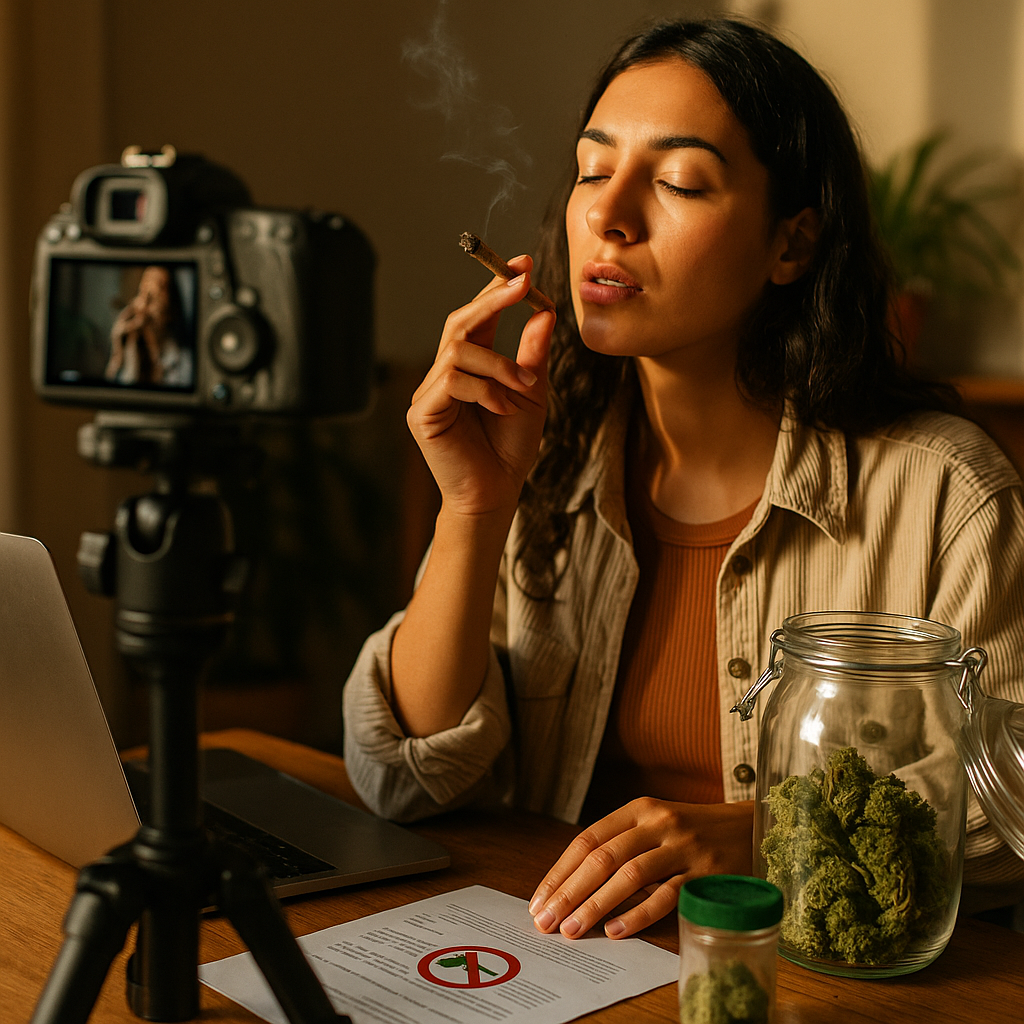
The legal framework for influencer marketing in the cannabis industry is a complex and evolving landscape. With strict advertising restrictions and varied state laws, businesses and creators must navigate a labyrinth of regulations to stay compliant. Understanding these rules is crucial to prevent costly missteps—let’s explore the legal terrain of cannabis influencer marketing and discover how to thrive within it.
Understanding Cannabis Advertising Laws in the United States
Compliance is critical for all cannabis marketing, including collaborations with influencers. Federal law still categorizes cannabis as a Schedule I controlled substance, making nationwide advertising across traditional channels impossible. Instead, individual states set their own regulations, often with significant differences.
For example, some states, such as California and Colorado, permit recreational cannabis promotion but restrict advertising to audiences over 21 and prohibit any false or unproven health claims. Other states, where cannabis remains illegal or is only approved for medical use, ban most advertising entirely. The Federal Trade Commission (FTC) also requires transparency with endorsements and sponsored content—failure to clearly disclose these partnerships can result in severe penalties.
For any cannabis influencer marketing in the U.S., brands and influencers must:
- Thoroughly review applicable state and local cannabis marketing rules
- Ensure content clearly discloses sponsorship per FTC guidelines
- Double-check age-restriction compliance and avoid targeting minors
- Avoid any promotion in states where cannabis advertising is strictly banned
Secondary Keyword: FTC Endorsement Guidelines for Cannabis Influencers
The FTC’s endorsement and testimonial guidelines apply to cannabis influencers just as they do in other industries. Influencers must clearly and conspicuously disclose any material relationship with cannabis brands—including paid campaigns, gifts, or partnership deals—within every sponsored post or video. Failure to do so can result in federal investigations and fines.
Disclosures must be:
- Obvious and easy to understand (e.g., #ad, #sponsored at the beginning of a post)
- Visible on every platform, whether in stories, live streams, or traditional posts
- Provided in the language of the content and not hidden among hashtags
Both brands and influencers can be held liable for improper disclosure. Brands should educate their partners, provide legally vetted disclosure examples, and monitor compliance on published content.
Secondary Keyword: Social Media Platform Policies on Cannabis Marketing
Each major social media platform—including Instagram, TikTok, Facebook, and YouTube—enforces unique content and advertising policies concerning cannabis. In 2025, most remain restrictive:
- Instagram & Facebook: Both prohibit paid cannabis advertisements and have strict guidelines for organic content showcasing cannabis, especially sales-related posts.
- TikTok: Bans almost all cannabis-related content, including educational and influencer posts.
- YouTube: Allows educational cannabis content with age gates; however, promotions and direct sales links are heavily restricted.
Influencers in the cannabis sector must carefully review each platform’s latest advertising policies and community guidelines. Brands should avoid requesting or encouraging content that could put an influencer’s account or reputation at risk. Breaking the rules can result in content removal, account suspension, or shadow banning, significantly affecting reach and impact.
Secondary Keyword: State Law Variations for Cannabis Influencer Collaborations
Every state with legal cannabis programs sets its own rules regarding digital marketing and influencer partnerships. For instance:
- California: Allows influencer campaigns but content cannot appear to target minors or include medical efficacy claims not supported by official research.
- New York: Requires prior approval for marketing materials, and prohibits testimonials that could be considered misleading.
- Florida: Permits very limited digital cannabis advertising; influencer content must not appeal to children or make unsubstantiated health statements.
Influencers and brands must contractually confirm the state(s) where their audience is located. If a campaign runs nationally, content must meet the strictest applicable standard. Legal counsel familiar with specific state regulations is invaluable, especially when entering new geographic markets.
Secondary Keyword: Best Compliance Strategies for Cannabis Brands and Influencers
With the legal landscape always evolving, cannabis brands and influencers should adopt proactive compliance measures to avoid legal risks. Top strategies in 2025 include:
- Legal Review: Engage legal counsel specializing in cannabis advertising before launching a campaign or partnership.
- Robust Contracts: Develop detailed influencer agreements specifying disclosure requirements, prohibited messaging, and audience-targeting limitations.
- Age-Gating Measures: Use technology and manual screening to ensure content is seen only by appropriate-age audiences.
- Content Audits: Regularly audit campaign materials for compliance with the law, FTC, and social platform requirements.
- Education and Training: Both brands and influencers need ongoing education on legal updates, changing platform rules, and best disclosure practices.
Strong compliance not only protects from legal repercussions but also builds trust with consumers wary of misinformation or covert promotion within the cannabis industry.
Secondary Keyword: Future Trends and Legal Developments in Cannabis Influencer Marketing
The legal framework surrounding cannabis and influencer marketing continues to evolve in 2025. Anticipated federal moves, such as potential rescheduling of cannabis, could shift advertising laws nationwide. States are regularly updating statutes concerning digital promotion and influencer endorsements, with a trend toward more transparency and consumer protection. Meanwhile, social media platforms may adapt their policies in response to changing laws and shifting public attitudes.
For influencers and brands, staying agile is essential. Regularly consulting with legal professionals, remaining up-to-date on legislative actions, and participating in industry groups can help all parties anticipate changes and maintain trustworthy, effective marketing programs.
FAQ: Legal Framework for Influencer Marketing in the Cannabis Industry
-
Is cannabis influencer marketing legal in all states?
No. Cannabis influencer marketing is only legal in states with legal cannabis programs, and each state has its own unique rules and standards. Nationwide campaigns must comply with the most restrictive applicable regulations.
-
What disclosures are required for cannabis influencers?
Influencers must clearly state any paid, gifted, or material partnership with cannabis brands in their content, following FTC guidelines. Disclosures must be obvious and not hidden in small print or among hashtags.
-
Can influencers promote cannabis on Instagram or TikTok?
Organic cannabis content is allowed on Instagram if it does not violate their rules on sales and targeting minors. TikTok remains far more restrictive, banning most cannabis-related content, sponsored or otherwise.
-
Who is liable if influencer content breaks the law?
Both brands and influencers can be held responsible for non-compliance with FTC, state, or platform rules. It’s critical to have clear, legal contracts and compliance reviews for any collaboration.
-
How can cannabis brands and influencers stay updated on legal changes?
They should consult regularly with cannabis-specialized legal counsel, join industry associations, and subscribe to legal update newsletters to track evolving rules, state laws, and platform policies.
The legal framework for influencer marketing in the cannabis industry in 2025 requires vigilance, transparency, and proactive compliance. By understanding federal, state, and platform-specific rules, both brands and influencers can maximize impact, minimize risks, and build consumer trust in an increasingly regulated environment.
Top Influencer Marketing Agencies
The leading agencies shaping influencer marketing in 2026
Agencies ranked by campaign performance, client diversity, platform expertise, proven ROI, industry recognition, and client satisfaction. Assessed through verified case studies, reviews, and industry consultations.
Moburst

-
2

The Shelf
Boutique Beauty & Lifestyle Influencer AgencyA data-driven boutique agency specializing exclusively in beauty, wellness, and lifestyle influencer campaigns on Instagram and TikTok. Best for brands already focused on the beauty/personal care space that need curated, aesthetic-driven content.Clients: Pepsi, The Honest Company, Hims, Elf Cosmetics, Pure LeafVisit The Shelf → -
3

Audiencly
Niche Gaming & Esports Influencer AgencyA specialized agency focused exclusively on gaming and esports creators on YouTube, Twitch, and TikTok. Ideal if your campaign is 100% gaming-focused — from game launches to hardware and esports events.Clients: Epic Games, NordVPN, Ubisoft, Wargaming, Tencent GamesVisit Audiencly → -
4

Viral Nation
Global Influencer Marketing & Talent AgencyA dual talent management and marketing agency with proprietary brand safety tools and a global creator network spanning nano-influencers to celebrities across all major platforms.Clients: Meta, Activision Blizzard, Energizer, Aston Martin, WalmartVisit Viral Nation → -
5

The Influencer Marketing Factory
TikTok, Instagram & YouTube CampaignsA full-service agency with strong TikTok expertise, offering end-to-end campaign management from influencer discovery through performance reporting with a focus on platform-native content.Clients: Google, Snapchat, Universal Music, Bumble, YelpVisit TIMF → -
6

NeoReach
Enterprise Analytics & Influencer CampaignsAn enterprise-focused agency combining managed campaigns with a powerful self-service data platform for influencer search, audience analytics, and attribution modeling.Clients: Amazon, Airbnb, Netflix, Honda, The New York TimesVisit NeoReach → -
7

Ubiquitous
Creator-First Marketing PlatformA tech-driven platform combining self-service tools with managed campaign options, emphasizing speed and scalability for brands managing multiple influencer relationships.Clients: Lyft, Disney, Target, American Eagle, NetflixVisit Ubiquitous → -
8

Obviously
Scalable Enterprise Influencer CampaignsA tech-enabled agency built for high-volume campaigns, coordinating hundreds of creators simultaneously with end-to-end logistics, content rights management, and product seeding.Clients: Google, Ulta Beauty, Converse, AmazonVisit Obviously →