


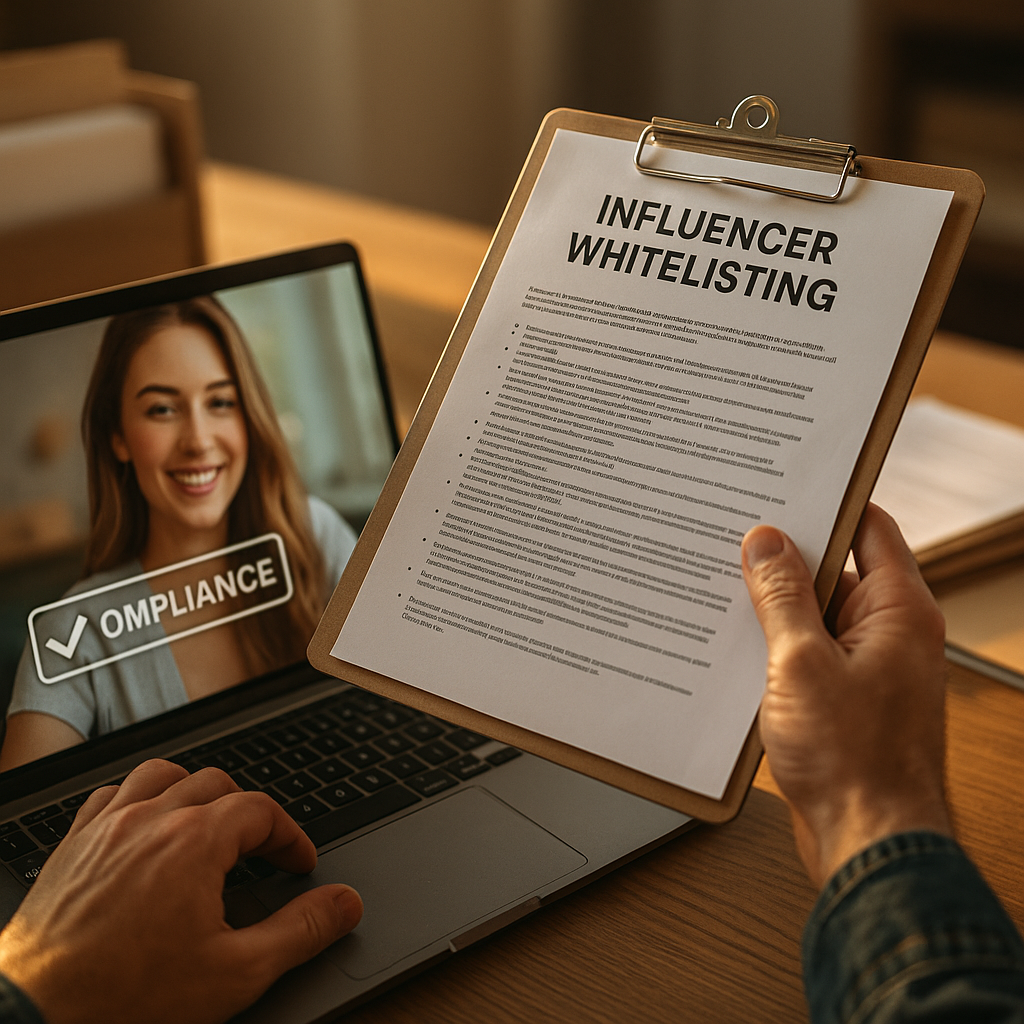
Influencer whitelisting has emerged as a powerful digital marketing strategy, allowing brands to amplify content via creators’ handles. However, running influencer whitelisting campaigns requires strict compliance to regulatory, contractual, and ethical standards. Neglecting compliance essentials can result in legal pitfalls and reputational damage. Read on to discover what every marketer must know to navigate whitelisting compliance in 2025.
Understanding Influencer Whitelisting: Definitions and Key Considerations
Influencer whitelisting refers to the process where a brand gains advertising access to an influencer’s social media account. This access allows the brand to run paid social ads and boost the influencer’s organic content as sponsored posts, reaching new audiences while maintaining the authenticity of the creator’s voice.
While this tactic can dramatically increase reach and engagement, it also introduces legal and ethical challenges. The Federal Trade Commission (FTC) and other regulatory agencies have specific rules about disclosure, transparency, and data privacy in partnership advertising. Brands must grasp the nuances of influencer whitelisting to execute effective—and compliant—campaigns.
- Definition: Temporary advertiser access to creator accounts for scalable content promotion.
- Main platforms: Instagram, Facebook, and TikTok currently lead in whitelisting functionality.
- Opportunity: Enhances trust and authenticity of ads compared to brand-only promotion.
Regulatory Compliance: Navigating Laws and Guidelines in 2025
In 2025, regulatory compliance for influencer whitelisting campaigns is more demanding than ever. Jurisdictions worldwide have updated social media advertising laws, with a particular focus on three areas: transparency, consent, and audience protection.
- Disclosure Requirements: The FTC mandates clear disclosure of all paid partnerships. Whitelisted ads must conspicuously state the commercial relationship, not only in the influencer’s caption but also within the paid ads promoted from their profile.
- Data Privacy: Whitelisting involves account access and user data. Ensure campaigns comply with privacy laws such as GDPR, CCPA, and emerging global standards by limiting data use, maintaining user confidentiality, and providing opt-out options.
- Age Restrictions: When advertising to minors or on platforms popular with under-18 users (e.g., TikTok), implement extra safeguards, clear labeling, and audience filters.
Failure to adhere to these regulations can result in hefty fines and damage trust among both audiences and creators. Regularly review legal standards, or consult digital marketing attorneys familiar with influencer marketing compliance.
Contractual Foundations: Essential Clauses for Brand-Creator Agreements
Formal contracts underpin every effective influencer whitelisting campaign. These agreements protect both parties by clarifying the scope of access, expected deliverables, intellectual property rights, and risk mitigation strategies. No brand should proceed with whitelisting without a signed agreement that addresses:
- Scope of Access: Specify the exact access level granted (e.g., ad account management only, content boosting permissions) and the duration of access.
- Content Usage: Define which posts or stories may be whitelisted, and stipulate approval processes for any new creatives.
- Disclosure Protocols: Outline how, where, and when paid partnership disclosures will appear in all ads.
- Data Sharing & Security: Establish protocols for user data protection, password confidentiality, and responsibilities for any data breach.
- Termination & Removal: Include immediate revocation of access upon contract termination or breach, plus content removal rights if needed.
Comprehensive contracts minimize disputes, ensure ethical standards, and shield all parties from regulatory risks.
Transparency and Disclosure: Best Practices for Ethical Campaigns
Maintaining transparency is not just a legal obligation—it also preserves trust with consumers and creators. Best practices for disclosure in influencer whitelisting campaigns include:
- Clear Labels: Always use unambiguous language such as “Paid Partnership with [Brand]” or “Ad” on all boosted posts and stories, even if re-using organic content.
- Platform Tools: Leverage built-in disclosure tools, especially on Instagram and Facebook, which facilitate compliance and user trust.
- Consistent Messaging: Pre-approve all captions, hashtags (#ad, #sponsored), and overlays to standardize disclosure across all creatives.
- Disclosure Placement: Ensure that disclaimers are visible both in initial lines of text and on the creative if overlays are used, so viewers understand it’s a paid ad regardless of how they interact with the content.
A 2024 survey from Influencer Marketing Hub found that 72% of users felt more positive toward brands that provided clear sponsorship disclosures—proving that transparency breeds loyalty.
Protecting Brand and Influencer Reputations: Risk Management Strategies
With the growing sophistication of whitelisting, reputational risk for both brands and creators is rising. It’s essential to apply robust risk management techniques to safeguard your campaign:
- Due Diligence: Vet influencer partners thoroughly. Review past content for alignment with your brand’s values and audience standards.
- Ongoing Monitoring: Use social listening tools and regular campaign reviews to ensure ongoing compliance and swiftly address any emerging issues.
- Crisis Response Planning: Develop protocols for fast action should a compliance breach or negative feedback occur, including timelines for removing ads, issuing public statements, and revising agreements.
- Continuous Training: Train influencer partners on disclosure updates and compliance responsibilities. This not only protects your campaign, but empowers creators to build best practices.
Effective risk management not only prevents fines but enhances all parties’ reputations, building long-term value in influencer partnerships.
Optimizing Campaign Performance While Ensuring Compliance
Smart marketers know that compliance is entirely compatible with outstanding results in influencer whitelisting campaigns. Optimize performance by building compliance into your workflow:
- Pre-Flight Audits: Before launching, audit all assets for compliance—disclosures, targeting criteria, and permissions.
- Consent-Driven Creative: Only promote content the influencer has approved for both organic and paid use; avoid repurposing old content without explicit consent.
- Real-Time Adjustments: Monitor KPIs and context—if engagement drops due to unclear disclosure, adjust messaging and creative immediately.
- Post-Campaign Review: Analyze what compliance tactics correlated with higher performance, documenting learnings for the next campaign.
This approach doesn’t just prevent regulatory issues: it builds credibility and drives stronger, more sustainable results for both brands and influencers.
FAQs: Compliance for Influencer Whitelisting Campaigns
- What is influencer whitelisting in a marketing campaign?
Influencer whitelisting is a process where a brand gets advertising permissions to promote content directly from an influencer’s account, amplifying reach through paid social ads while leveraging the creator’s trusted voice. - Are there legal requirements for influencer whitelisting campaigns?
Yes. Compliance includes clearly disclosing the partnership, safeguarding user data, adhering to age restrictions, and following all relevant advertising laws specific to each region and platform. - How should disclosures be made in whitelisting campaigns?
Disclosures must be clear and conspicuous, using platform tools where available. Always include terms like “Paid Partnership” or “Ad,” both in captions and on creative overlays, to ensure all viewers understand it’s sponsored content. - Do brands need influencer consent to run whitelisted ads?
Absolutely. Brands must secure explicit, written consent from influencers before gaining ad access or promoting any of their content to new audiences. - What steps minimize risk in influencer whitelisting?
Conduct due diligence on partners, use detailed contracts, carry out regular compliance audits, provide ongoing training to influencers, and have a clear process for responding to compliance breaches.
Ensuring compliance in influencer whitelisting campaigns is essential for legal protection, brand safety, and long-term value. By mastering regulatory, contractual, and transparency essentials, you can optimize your campaign’s impact and safeguard trust with every audience you reach in 2025.