


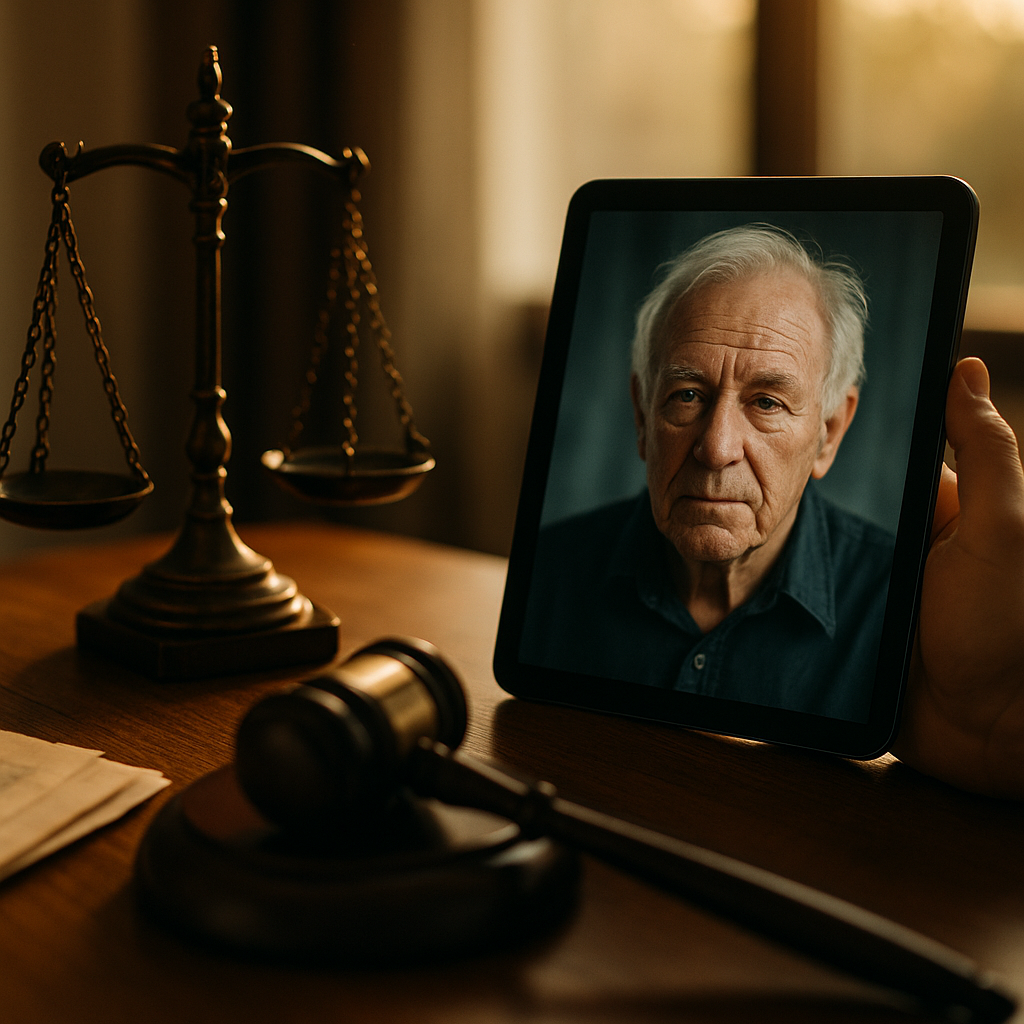
In 2025, digital media can revive iconic faces with uncanny precision, but using a deceased person’s image or voice can trigger costly disputes. Navigating the legal risks of posthumous likeness usage in digital media now requires more than creative ambition; it demands careful rights clearance, ethical judgment, and strong contracts. The line between homage and infringement is thin—are you ready to cross it safely?
Posthumous likeness rights and who can enforce them
Posthumous likeness usage often implicates a mix of legal interests that vary by jurisdiction, including the right of publicity, privacy-like protections, trademark law, copyright law, and consumer protection rules. The most common legal claim is the right of publicity: the right to control commercial exploitation of someone’s name, image, voice, signature, or other recognizable attributes. In many places, that right can continue after death and be enforced by an estate, heirs, or an assignee.
To manage risk, first identify who has standing to object or license the use:
- The estate or heirs: Often control post-death publicity rights where recognized by law. The estate may have a dedicated licensing agent.
- Rights holders by contract: Some celebrities assign publicity rights during life to production companies, brands, or management entities.
- Trademark owners: A name or stylized signature may be registered as a trademark. Even if publicity rights are unclear, trademark claims can arise if the use implies endorsement or confuses consumers.
- Copyright owners: A “likeness” might be embedded in copyrighted material (photos, film clips, recordings). You may need separate copyright licenses even if you have publicity clearance.
Practical answer to the question most teams ask: “If the person is famous, isn’t it fair game?” No. Fame increases the likelihood that heirs actively police usage, that trademarks exist, and that a court will view the work as commercially motivated. Treat “public figure” as a risk multiplier, not a permission slip.
Right of publicity laws in digital media and state-by-state pitfalls
In the United States, right of publicity laws are fragmented. Some states recognize strong, inheritable rights; others provide limited protection or rely on common-law theories like misappropriation. For digital media released nationally or globally, this creates a recurring problem: a campaign can be lawful in one state and actionable in another.
Key pitfalls to plan for in 2025:
- Different definitions of “commercial use”: Advertising and product packaging typically carry the highest risk, but branded entertainment, social media promotions, and in-app experiences can also qualify.
- Different duration after death: Some jurisdictions recognize posthumous rights for decades; others do not. This affects whether you need a license and from whom.
- Different exemptions: News reporting and expressive works may have broader protection, but the boundaries shift depending on how promotional the use appears.
- Where the harm “occurs”: Online distribution complicates jurisdiction. Plaintiffs often sue where they reside or where the content is accessed.
A useful way to reduce uncertainty is to perform a distribution-aware clearance. Instead of asking “Is this legal?”, ask: “In which jurisdictions could we be sued, what claims could be alleged, and what is our risk tolerance?” Then align release strategy, geofencing (if feasible), and insurance with that assessment.
If you are working outside the United States, don’t assume the absence of a U.S.-style publicity right equals low risk. Some countries address likeness through privacy, personality rights, unfair competition, defamation, or moral rights frameworks. Global releases need a territory-by-territory rights matrix before launch.
AI deepfakes and digital replicas: consent, contracts, and disclosure
AI-enabled voice cloning and digital doubles can make a “new performance” from a deceased person feel authentic. That realism increases legal and reputational exposure because audiences can interpret the content as an authorized appearance or endorsement. In 2025, regulators and platforms also scrutinize manipulated media more closely, increasing takedown and account-risk considerations.
For AI-driven posthumous usage, focus on three pillars:
- Consent and authority: Obtain a license from the party legally empowered to grant it (estate, heirs, assignee). Confirm authority with documentation, not assurances.
- Scope and limitations: Define exactly what you are creating (image, voice, motion, mannerisms), where it will appear (film, game, ads, social), how long it can be used, and whether it can be modified or reused in sequels, DLC, or future campaigns.
- Disclosure and labeling: Consider clear disclosures when a digital replica is used, especially in advertising or political-adjacent contexts. While disclosure does not replace permission, it can reduce deception claims and backlash.
Answer to a common follow-up: “If we trained on publicly available clips, do we still need permission?” Often yes. Training data availability does not automatically grant rights to deploy a recognizable likeness commercially. You may also face separate copyright issues for the source clips and potential contractual restrictions from unions, studios, or prior agreements.
Also address vendor risk. If an AI studio promises “fully cleared” assets, require:
- Written warranties about data sources and lawful training/production pipelines.
- Indemnities that cover publicity, trademark, copyright, and defamation-style claims.
- Audit rights or at least documentation packages showing provenance and permissions.
Estate licensing agreements, clearances, and chain of title
Most posthumous likeness disputes become expensive because teams skip steps in the chain of title. A solid clearance file should survive internal turnover, distributor due diligence, and insurer questions. Build it as if you will need to defend your process in front of a skeptical partner or court.
A practical clearance workflow:
- Identify the likeness elements: name, face, voice, catchphrases, signature, wardrobe, tattoos, distinctive gestures. The more unique the attribute, the more recognizable—and riskier—its use can be.
- Confirm ownership and authority: request letters of administration, probate documentation, assignment agreements, or agency authorization that demonstrates the licensor’s legal power.
- Separate rights bundles: likeness license (publicity/personality) is not the same as rights to underlying content (photos, music, film clips). Clear each bundle.
- Document approvals: if the estate requires script, storyboard, or model approvals, define timelines and what happens if feedback is late or subjective.
What to include in a robust estate licensing agreement:
- Grant of rights: explicit coverage for digital replicas, AI synthesis, dubbing, localization, and marketing uses.
- Territory and media: worldwide vs. limited territories; streaming, theatrical, social media, in-app, out-of-home, and emerging channels.
- Term and renewal: include sunset dates and reversion, especially for ads and live-service content.
- Morals and brand-safety clauses: define prohibited contexts (e.g., adult, gambling, political advocacy) and approval standards to avoid later disputes.
- Compensation structure: flat fee, royalties, revenue share, or MFN terms. Tie marketing usage to the compensation model to avoid “free ad” arguments.
- Representations and warranties: licensor warrants authority; licensee warrants accurate depiction and compliance with disclosures and platform rules.
- Indemnities and remedies: define who pays for claims, takedowns, re-edit costs, and recall of ads.
Answer to another common follow-up: “Can we rely on a distributor’s clearance?” You can, but you should not. Your contracts should align so that the party best positioned to manage the risk (often the producer or advertiser) has both the authority and the budget to do it correctly.
Transformative use, fair use, and editorial exceptions—what actually protects you
Creators often hope that an “artistic” or “documentary” framing will automatically shield them. Some uses do enjoy stronger protection, but the protection is not automatic and is highly fact-dependent. Courts and regulators often examine whether the use is primarily expressive (commentary, biography, satire) or primarily commercial exploitation (selling a product, driving subscriptions with implied endorsement).
Risk-reducing principles that tend to help:
- Transformative context: using the likeness to convey new meaning, commentary, or insight rather than to substitute for a licensed appearance.
- Clear editorial purpose: documentary and news contexts can be safer, especially when the use is necessary to the story and not primarily promotional.
- Avoid endorsement signals: minimize language, visuals, and placement that imply the estate authorized or sponsors the product unless you have a license.
- Truthful framing: avoid claims that the person “appears,” “stars,” or “supports” something when the appearance is synthesized or archival.
Important follow-up: “If it’s parody, are we safe?” Parody can help, but only if the work clearly comments on or critiques the subject and does not function as a commercial substitute. If you use a realistic digital double of a deceased celebrity in a brand campaign, “parody” labeling will rarely offset the implied endorsement problem.
Risk management for producers and brands: compliance, insurance, and takedown plans
Even with permissions, a posthumous likeness project can fail if you ignore operational risk: platform rules, audience expectations, and rapid-response legal procedures. Build a risk management package that matches the scale of the launch.
Core steps for producers, agencies, and brand teams:
- Pre-clear creative and marketing together: many disputes arise because the film is cleared, but the trailer, thumbnail, or ad copy crosses into endorsement territory.
- Implement provenance tracking: keep a record of model creation, source materials, approvals, and version history. This supports defenses and speeds platform appeals.
- Platform compliance checks: review manipulated media policies and ad standards for each platform; align disclosure language and creative formats accordingly.
- Errors & Omissions (E&O) insurance readiness: insurers often ask for chain-of-title documentation and legal opinions for high-risk likeness usage. Build that file early to avoid launch delays.
- Takedown and crisis plan: pre-draft responses, identify decision makers, and prepare technical options (swap assets, mute audio, replace thumbnails) if a claim lands.
Answer to the question executives ask last—usually too late: “What’s the real cost of getting this wrong?” Beyond damages and legal fees, you can face injunctions that pull a campaign mid-flight, platform removals, distributor breaches, talent backlash, and brand trust erosion. Planning is cheaper than re-cutting and re-launching under pressure.
FAQs
Do I need permission to use a deceased person’s likeness in a documentary?
Sometimes you can rely on editorial and expressive protections, especially when using archival material to tell a factual story. However, you still may need copyright licenses for photos or clips, and promotional materials can trigger endorsement-style claims. Clear the underlying content and keep marketing language accurate.
Can an estate stop an AI-generated voice that “sounds like” the deceased person?
Yes, if the voice is identifiable and used commercially, an estate may assert publicity or personality-rights claims, plus unfair competition or deception theories. If the voice is built from copyrighted recordings, copyright-related claims may also arise. A license and careful disclosures reduce risk.
Is a disclaimer enough if we didn’t get a likeness license?
No. A disclaimer can reduce consumer confusion, but it rarely cures unauthorized commercial exploitation of a recognizable identity. Use disclaimers as a supplement to permissions, not a substitute.
What rights do I need for a “digital resurrection” in a video game?
Typically you need a posthumous publicity/personality-rights license (from the authorized party) and licenses for any copyrighted inputs (photos, film clips, recordings) used directly. Also address performance-style issues: how the replica will speak, behave, and be marketed, plus sequel and update rights.
How do we confirm who controls the deceased celebrity’s rights?
Ask for documentary proof of authority (estate paperwork, assignments, agency authorization) and verify through counsel and reputable licensing representatives. Cross-check trademarks, prior endorsements, and known licensing deals that may grant rights to third parties.
What’s the safest approach for brands that want to reference a late icon?
Use a properly licensed campaign or shift to non-identifying inspiration: avoid recognizable facial features, voice mimicry, and signature phrases, and do not imply endorsement. When you want recognizability, secure rights early, define scope tightly, and align creative, legal, and media buying under one clearance plan.
Posthumous likeness projects can be powerful, but in 2025 they also attract fast-moving legal claims and public scrutiny. Reduce risk by mapping jurisdictions, separating publicity rights from copyright clearances, and securing estate authority with airtight contracts. Treat AI replicas as high-stakes endorsements unless proven otherwise. When you plan for approvals, disclosures, and takedowns upfront, you protect both creativity and credibility.