


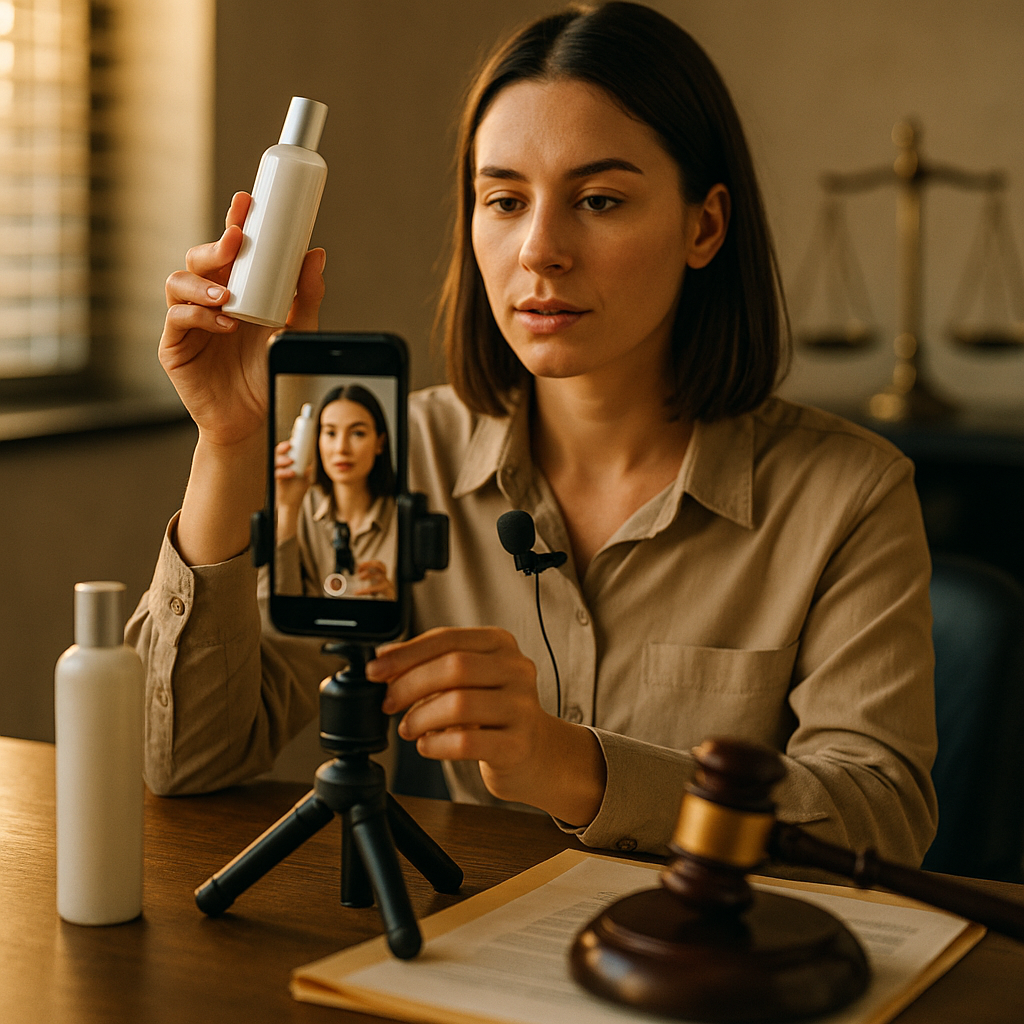
As social media evolves, legal rules for creator-led product demonstrations are more important than ever. Creators and brands alike must navigate complex regulations to stay compliant and maintain consumer trust. Understanding these requirements ensures safer, more effective content. Are you confident your product demos meet today’s legal standards? Read on to discover the essentials and avoid costly missteps.
Understanding Advertising Laws for Influencer Product Demos
Navigating advertising laws is essential for anyone hosting creator-led product demonstrations. In 2025, regulations surrounding sponsored content have become stricter, especially on platforms like Instagram, TikTok, and YouTube. The Federal Trade Commission (FTC) and similar bodies worldwide require clear disclosures when content is promotional.
Key compliance requirements include:
- Transparent Sponsorship Disclosure: Creators must clearly state when they are being paid, gifted, or otherwise compensated for promoting a product.
- Placement and Clarity: Disclosures such as “ad,” “sponsored,” or “paid partnership” must be unambiguous and easily noticed. Hiding disclosures in descriptions or using vague language fails to meet standards.
- Platform-Specific Rules: Major platforms have integrated tools for partnership disclosures, but creators must still ensure compliance goes beyond technical requirements.
Failure to follow these advertising laws can result in fines, content takedowns, and lasting damage to brand reputation. Because regulations can differ between countries, global campaigns need region-specific legal review before launching product demos.
Product Claims and Substantiation in Creator Demonstrations
Accurate and honest claims are crucial in creator-led demonstrations. Legal authorities like the FTC require that any claim about a product—such as performance, safety, or effectiveness—must be truthful and evidence-backed. Misleading or exaggerated statements in demonstrations can lead to legal repercussions.
Practical tips for compliant demonstrations:
- Verify all product features and benefits before creating demo content.
- Obtain substantiation: scientific studies, third-party testing, or reliable customer testimonials may be necessary to support claims.
- Avoid absolute or unprovable statements—“best on the market” or “guaranteed results”—unless they can be independently validated.
In recent studies, almost 60% of consumers have expressed greater trust in product demos that provide transparent backup for claims. To build credibility and reduce legal risk, brands should brief creators on substantiating information and require content review before publication.
Consumer Protection and Privacy During Live Product Demonstrations
Protecting consumer rights extends beyond what is being sold—it also includes how data and interactions are handled during a demonstration. Many product demos now happen in real time through live streams, inviting questions and even collecting user data for follow-up marketing.
Key privacy and protection considerations include:
- Data Collection Disclosures: Inform viewers about what data—such as names, emails, or social profiles—is being collected during interactive demonstrations.
- Obtaining Consent: Always gain clear consent before collecting or using any viewer data for marketing, analytics, or retargeting.
- Protection of Children: If your demo reaches users under 18, comply with COPPA, GDPR-K, or similar legislation, which often bans or restricts child data collection.
With privacy lawsuits and scrutiny at an all-time high in 2025, ignoring these legal rules can cause major setbacks. Always use up-to-date technology and legal counsel to ensure protection for both viewers and creators.
Intellectual Property Rights in Creator-Led Content
Legal rules for creator-led product demonstrations extend to the use of music, graphics, brand names, and even snippets of other creators’ work. Intellectual property (IP) infringement can result in takedown notices, demonetization, or legal claims against both creators and brands.
How to avoid IP pitfalls:
- Only use music, video, and images that are properly licensed, in the public domain, or created by the demo creator.
- Obtain written permission when including third-party brands or recognizable assets.
- Credit original sources clearly and accurately, even when fair use might apply.
By respecting intellectual property rights, creators protect themselves, partners, and audiences from legal and ethical issues. Brands should offer clear guidelines and licensed assets to all collaborators.
Contracts, Compensation, and Creator Rights
Behind every successful creator-led demonstration, there’s a strong contract outlining legal rights, compensation, and expectations. Legal rules affect every stage, from content approval to payment and intellectual property ownership.
Key contract elements for compliant collaborations:
- Clear Scope: Define what type of demo is to be created, approval processes, and distribution channels.
- Payment Terms: Outline how and when creators are compensated, including bonuses for performance metrics if relevant.
- Content Use: Specify who owns the demo content, and what permissions are granted for repurposing or advertising.
- Non-Disparagement & Honesty Clauses: Ensure creators can give honest opinions, provided they comply with legal advertising rules and brand safety requirements.
Transparent contracts protect both brands and creators, support compliance, and enable creative freedom within legal and ethical limits.
Enforcement and Penalties for Non-Compliance
Staying compliant with legal rules for creator-led product demonstrations is not optional in 2025. Regulators in North America, Europe, Asia, and beyond now have automated tools to detect undisclosed ads, misleading claims, and privacy violations.
Non-compliance can lead to:
- Hefty fines—recent FTC actions have seen penalties exceeding $500,000 per infraction.
- Mandatory content removal or platform bans, disrupting brand visibility.
- Reputational fallout, which can result in long-term business loss and decreased creator income.
Creators and brands should implement ongoing compliance training, use automated monitoring tools, and consult specialized legal counsel for risk management.
Conclusion
Legal rules for creator-led product demonstrations are rapidly evolving. Staying informed, transparent, and proactive is essential to protect your reputation and audience trust. Review the requirements before your next campaign—compliance is not just good practice; it’s good business in 2025.
FAQs
- What disclosures are required during a creator-led product demonstration?
Creators must clearly state material connections to brands—such as payments, gifts, or partnerships—and make these disclosures easy to understand and hard to miss. - What happens if a creator or brand does not comply with legal rules?
Both parties can face substantial fines, content removal, social platform bans, and loss of audience trust, making compliance essential. - Can creators use any third-party content during demonstrations?
No. Only content that is licensed, in the public domain, or used with explicit permission can be included to avoid infringing intellectual property laws. - Do live demonstrations have extra legal requirements?
Yes. Live demonstrations often collect user data. Adequate disclosures, consent mechanisms, and privacy protection must be in place, especially if engaging with underage viewers. - How can brands and creators stay updated on new legal rules?
Subscribe to updates from regulatory bodies, engage legal counsel specializing in advertising and privacy, and invest in regular compliance training.