


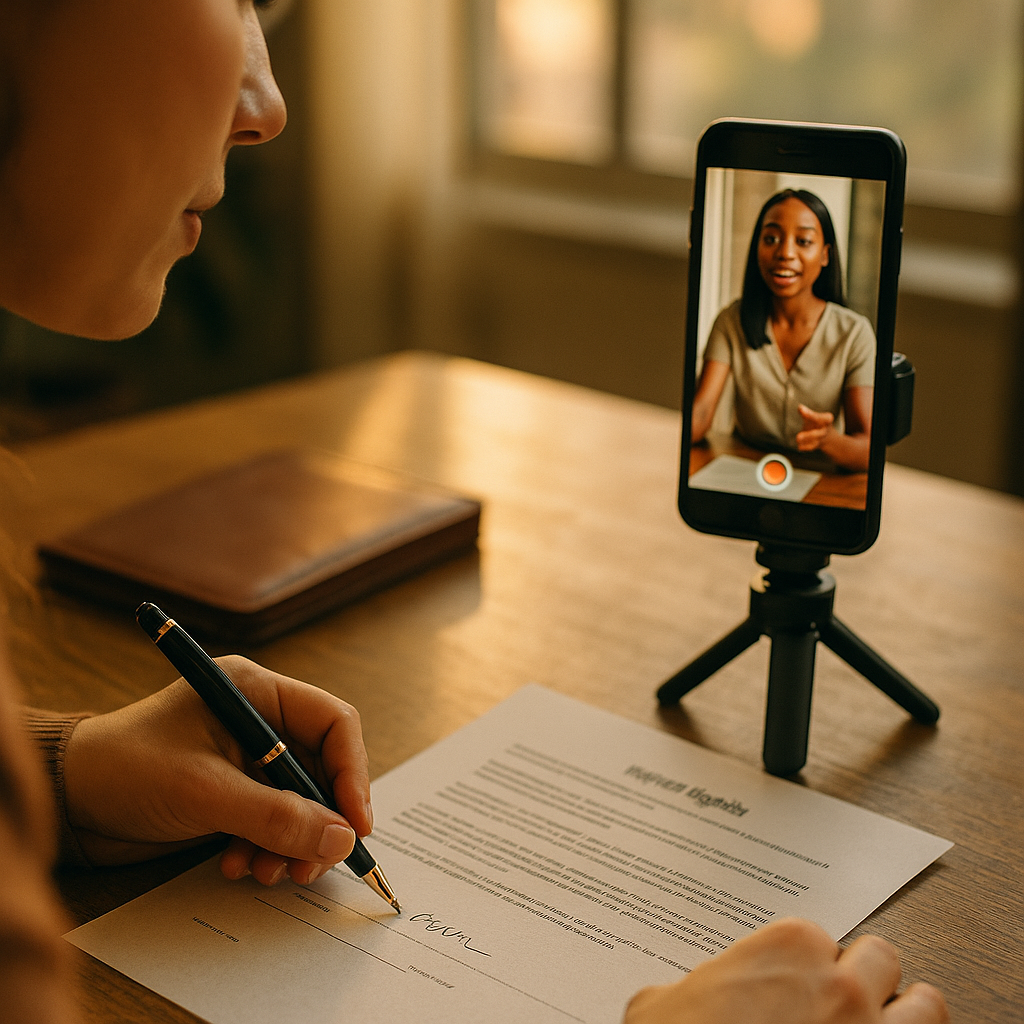
The rights of publicity play a pivotal role when using a creator’s likeness in paid ads. Misusing someone’s image, voice, or identity can carry costly legal risks, especially as digital marketing continues to blur boundaries. But what protections exist, and how can brands collaborate with creators legally? Read on to ensure your campaigns stay compliant and respectful in 2025.
Understanding the Right of Publicity in Influencer Advertising
The right of publicity empowers individuals to control commercial use of their name, image, voice, or other recognizable aspects of identity. For influencer advertising, this translates to explicit permission before using a creator’s likeness in ads. As platforms like TikTok, Instagram, and YouTube drive marketing innovation, understanding this right is more critical than ever for agencies, brands, and creators alike.
U.S. laws regarding publicity rights vary by state, but the baseline remains: if you profit by leveraging someone’s persona, you must obtain consent—ideally, in writing. Ignoring publicity rights can lead to lawsuits, damaged reputation, and even banned campaigns.
Legal Requirements: Consent and Contracts for Likeness in Ads
Securing consent for commercial use is non-negotiable. A contract, preferably drafted or reviewed by legal counsel, clarifies exactly how a creator’s likeness may be used, on which platforms, for what duration, and in what context. Key elements of a robust contract include:
- Scope of Use: Define the precise imagery, video, audio, or text that features the creator.
- Term: State how long the ad will run, and any boundaries on future usage.
- Territory: Specify geographic regions where the ad will appear.
- Compensation: Detail all payment terms, royalties, and bonuses for performance.
- Approvals: Confirm that creators can review and approve ad creatives before launch.
The Federal Trade Commission (FTC) continually updates guidance for transparency in advertising partnerships. Recent clarifications emphasize the need for clear permissions, especially for repurposing content beyond social feeds—such as using influencer videos in paid social ads.
Common Pitfalls: Violating Creator Rights in Paid Media
Despite good intentions, brands often make costly missteps when harnessing creator likeness in paid ads:
- Assuming Organic Rights Equal Paid Rights: Permission to post on a brand’s social account does not automatically confer rights for paid promotion or use in other media.
- Ambiguous Contract Language: Vague agreements open the door to disputes over what usage is allowed.
- Ignoring State-Specific Laws: Some states, such as California and New York, offer broader protections. Overlooking these nuances can escalate legal exposure.
- Duration Overruns: Using a creator’s content beyond the agreed period is a clear violation, regardless of ad spend or performance.
Staying vigilant means regularly reviewing contracts, staying current on legal precedent, and always prioritizing mutual trust between brands and creators.
Best Practices for Brands: Respecting Creator Identity in Paid Campaigns
A brand’s reputation is built on how it treats creators. To maintain compliance and fairness, adhere to these best practices when using influencer likeness in paid ads:
- Obtain Written Consent: Always get explicit, written permission for each intended use. Avoid blanket terms—be specific.
- Offer Creative Oversight: Let creators review and approve final versions of campaigns using their likeness before launch.
- Compensate Fairly: Pay creators proportionally for broader or long-term uses, including rights buyouts if necessary.
- Remain Transparent: If ads or platforms change, keep creators informed—even post-publication.
- Document Everything: Save communications and consent forms to easily resolve questions or challenges.
Brands that foster open communication not only protect themselves legally, but also build lasting, positive relationships with the creative community.
How Creators Can Protect Their Likeness in Brand Partnerships
With record numbers of creators entering partnerships in 2025, knowing how to protect publicity rights is essential. Here’s what creators should do before greenlighting use of their likeness in ads:
- Insist On Clear Contracts: Request agreements that specify all forms of usage, platforms, and the campaign’s duration.
- Negotiate Parameters: Don’t hesitate to set boundaries—such as no use in year-long ads without fair compensation, or no endorsement for sensitive products.
- Reserve Final Approval: Secure the right to review and veto any ad featuring your image or voice.
- Consult Legal Advice: Especially for long-term, high-profile campaigns, a quick attorney review can prevent costly mistakes.
Self-advocacy safeguards not just income, but also long-term reputation in an increasingly crowded creator economy.
The Future of Publicity Rights in a Fast-Evolving Ad Landscape
As generative AI, deepfake technology, and virtual influencers disrupt digital marketing, expect publicity laws to keep evolving. Already, courts in several states have affirmed that digital replicas and synthetic voices fall under the right of publicity.
For advertisers and creators, this means ongoing education and vigilance are crucial. Pay attention to innovations that enable brands to recreate voices or likenesses without direct content—or creators may soon demand contract clauses against such uses. The right of publicity is no longer just about photos or videos, but any digital embodiment of a person’s identity.
The most successful campaigns of 2025 will be those where legal clarity, fairness, and mutual respect drive every creative decision—and where both brands and creators are empowered to thrive.
FAQs on Rights of Publicity & Using Creator Likeness in Advertising
-
What exactly is the right of publicity?
The right of publicity is a legal right that allows individuals to control and profit from commercial use of their name, image, voice, or other identifiable features. -
Can a brand use a creator’s social post in a paid ad?
Only with explicit, separate permission. Organic social posting rights do not automatically transfer to paid advertising uses. -
How can a creator withdraw consent?
Withdrawal terms should be detailed in contracts. In most cases, unless specified, consent can’t be revoked once a campaign is live, but always clarify before signing. -
What are the risks of using someone’s likeness without permission?
Unauthorized use can lead to lawsuits, financial penalties, removal of ads, and reputational harm for brands and marketers. -
How does AI impact the right of publicity?
AI-generated likenesses, including voices or deepfakes, are increasingly covered under publicity rights laws. Consent remains critical, regardless of the technology used.
In summary, respecting the rights of publicity when using a creator’s likeness in paid ads is essential for legal safety, trust, and creative success. Secure thorough consent, stay current with digital law, and value every creator partnership. Ethical, transparent collaborations protect both brands and creators now and in the ever-evolving future.