


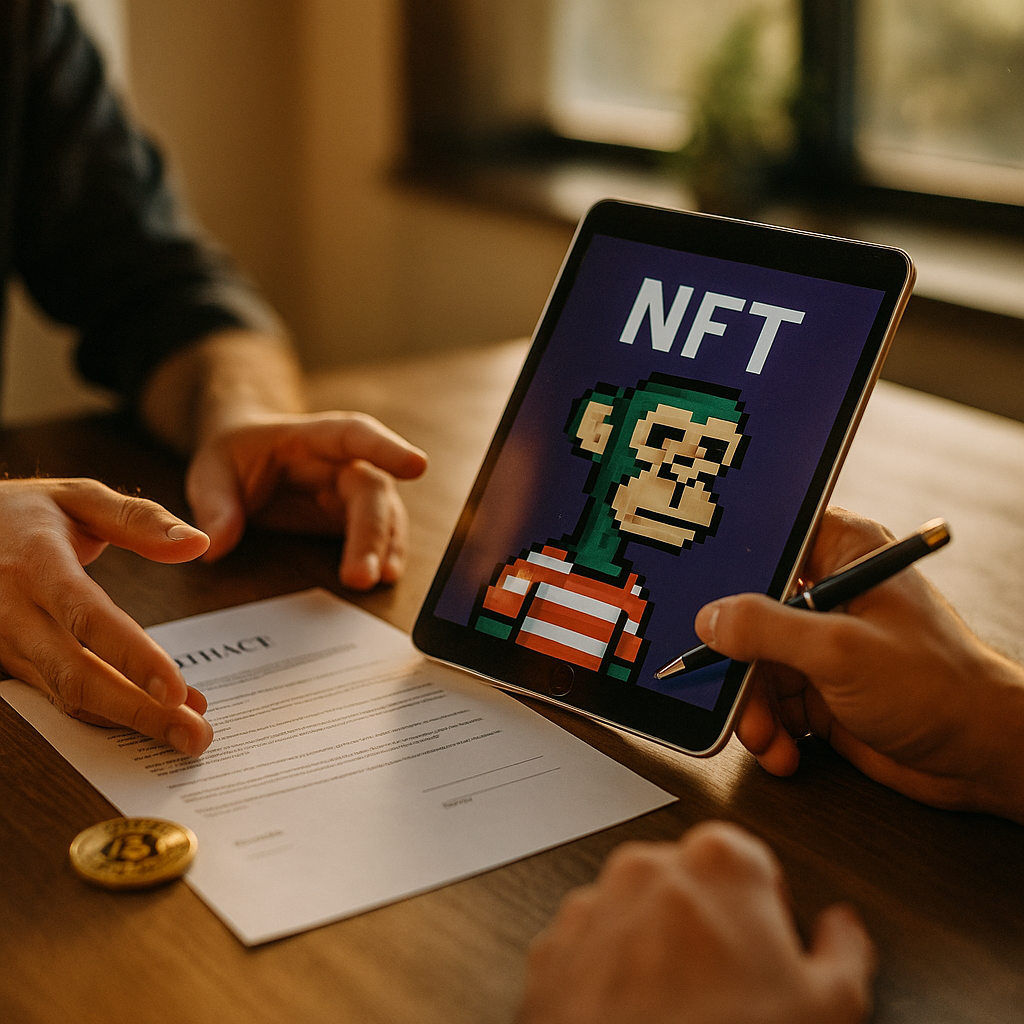
Knowing how to negotiate usage rights for content that will be turned into an NFT is crucial for artists, creators, and buyers navigating the digital frontier. Misunderstandings can have significant legal and financial implications. This guide clarifies the negotiation process, offering step-by-step advice and recent insights to help you secure fair terms. Ready to maximize your content’s value?
Understanding NFT Content Usage Rights and Their Importance
NFTs, or Non-Fungible Tokens, transform digital content into unique, verifiable assets on the blockchain. However, owning an NFT does not automatically mean owning all rights to the original content. According to a 2024 DACS survey, 71% of NFT purchasers misunderstood what rights were granted. Content usage rights define how, where, and for how long the NFT buyer can use the content. Clear negotiation of these rights is essential to protect both creators and buyers, ensure mutual understanding, and avoid costly disputes.
Key Legal Considerations When Negotiating NFT Usage Rights
When negotiating terms for content that will become an NFT, it’s vital to understand the relevant legal landscape. Copyright still resides with the creator unless explicitly transferred. Licensing agreements should specify:
- Scope: What can the NFT holder do? (e.g., display, resell, modify, commercialize)
- Exclusivity: Is the usage exclusive or can the content be used elsewhere by others?
- Duration and Territory: For how long and where do the rights apply?
- Royalties: Are there ongoing royalties or one-time payments on subsequent sales?
Consulting an intellectual property attorney experienced in digital assets gives both parties legal clarity, reducing post-sale surprises.
Preparing for Negotiations: Identifying Your Priorities
Effective negotiation starts with clarity about what each side wants. Creators should decide which rights they’re willing to license with the NFT and which they want to reserve (for example, reproduction or merchandising). Buyers, on the other hand, should assess how they plan to use the NFT content to guide their requests. Successful deals balance creator protection and buyer usability, acknowledging industry standards and innovative use cases in 2025.
Questions to ask before negotiations begin include:
- What rights do I need/want as an NFT creator or buyer?
- What are typical industry practices for similar assets?
- What is my risk tolerance for rights infringement or overreach?
Drafting and Reviewing NFT Content Licensing Agreements
The core of usage rights negotiation is the licensing agreement. This document should address, in clear language:
- Rights Granted: Specify which usage rights are included (e.g., personal use, public display, commercial exploitation, sublicensing).
- Restrictions: Define prohibited uses and conditions (such as modifications, illegal content, or offensive associations).
- Payment Terms: Clearly state pricing, royalties, and payment methods for primary and secondary sales.
- Dispute Resolution: Include a process for handling disagreements, ideally referencing relevant jurisdictions and arbitration options.
For the highest level of certainty, use professional legal templates or work with legal counsel. Platforms like OpenSea and Rarible have begun offering standardized contract templates in 2025, but customization is key to reflecting the specific agreement negotiated.
Best Practices for Securing Rights and Compliance in NFT Transactions
Once negotiations are complete and contracts signed, it is essential to ensure the NFT platform supports your agreed terms. Best practices include:
- Embedding Licensing Terms: Use platform features to attach summarized rights details and even links to the full contract within the NFT’s metadata.
- On-Chain Records: Store proof of agreement (such as digital signatures or time-stamped agreements) on-chain for transparency and verification.
- Ongoing Monitoring: Watch for unauthorized uses and enforce rights as needed, using legal support when necessary.
- Education: Educate buyers and collectors about what their NFT ownership includes—and, importantly, what it does not.
Proactive management ensures ongoing revenue for creators and safe, transparent transactions for buyers.
Adapting to 2025 Market Trends: Evolving Standards and Expectations
The NFT marketplace is evolving rapidly in 2025, with more sophisticated buyers and stricter regulation. The International Association of NFT Lawyers reported a 60% increase in legal consultations for cross-border NFT content disputes in early 2025. To stay current, NFT participants must:
- Track evolving regulations around digital asset rights and resale royalties.
- Monitor updates from major NFT platforms regarding default licensing policies.
- Engage with creator and buyer communities to identify shifts in standard practices and mutual expectations.
Staying informed ensures you can negotiate fair terms and minimize future risk, giving you a competitive edge in the growing digital content economy.
In summary, knowing how to negotiate usage rights for content that will be turned into an NFT combines clear legal understanding, strategic preparation, and technical best practices. Protecting your rights today ensures you maximize value—and avoid pitfalls—in tomorrow’s NFT marketplace.
FAQs: Negotiate Usage Rights for NFT Content
-
Do NFT buyers own the copyright to purchased content?
No. Purchasing an NFT grants ownership of that particular token but not the copyright unless explicitly transferred in a written agreement. -
What rights can be negotiated when selling NFT content?
Common negotiable rights include display, resale, modification, and commercial use. Creators can choose to grant all, some, or none of these rights. -
How can usage rights be enforced after an NFT sale?
Enforcement requires clear contracts and, if necessary, legal action. Embedding usage terms into NFT metadata helps, but off-chain legal systems still apply in most disputes. -
What happens if there is a usage dispute?
Disputes are resolved based on the terms in the usage rights agreement and may involve arbitration or court action, depending on the contract. -
Which platforms support custom licensing for NFTs in 2025?
Leading platforms like OpenSea, Rarible, and Foundation now allow custom licensing terms to be attached or referenced within NFT metadata. Always check platform-specific policies before listing.
Top Influencer Marketing Agencies
The leading agencies shaping influencer marketing in 2026
Agencies ranked by campaign performance, client diversity, platform expertise, proven ROI, industry recognition, and client satisfaction. Assessed through verified case studies, reviews, and industry consultations.
Moburst

-
2

The Shelf
Boutique Beauty & Lifestyle Influencer AgencyA data-driven boutique agency specializing exclusively in beauty, wellness, and lifestyle influencer campaigns on Instagram and TikTok. Best for brands already focused on the beauty/personal care space that need curated, aesthetic-driven content.Clients: Pepsi, The Honest Company, Hims, Elf Cosmetics, Pure LeafVisit The Shelf → -
3

Audiencly
Niche Gaming & Esports Influencer AgencyA specialized agency focused exclusively on gaming and esports creators on YouTube, Twitch, and TikTok. Ideal if your campaign is 100% gaming-focused — from game launches to hardware and esports events.Clients: Epic Games, NordVPN, Ubisoft, Wargaming, Tencent GamesVisit Audiencly → -
4

Viral Nation
Global Influencer Marketing & Talent AgencyA dual talent management and marketing agency with proprietary brand safety tools and a global creator network spanning nano-influencers to celebrities across all major platforms.Clients: Meta, Activision Blizzard, Energizer, Aston Martin, WalmartVisit Viral Nation → -
5

The Influencer Marketing Factory
TikTok, Instagram & YouTube CampaignsA full-service agency with strong TikTok expertise, offering end-to-end campaign management from influencer discovery through performance reporting with a focus on platform-native content.Clients: Google, Snapchat, Universal Music, Bumble, YelpVisit TIMF → -
6

NeoReach
Enterprise Analytics & Influencer CampaignsAn enterprise-focused agency combining managed campaigns with a powerful self-service data platform for influencer search, audience analytics, and attribution modeling.Clients: Amazon, Airbnb, Netflix, Honda, The New York TimesVisit NeoReach → -
7

Ubiquitous
Creator-First Marketing PlatformA tech-driven platform combining self-service tools with managed campaign options, emphasizing speed and scalability for brands managing multiple influencer relationships.Clients: Lyft, Disney, Target, American Eagle, NetflixVisit Ubiquitous → -
8

Obviously
Scalable Enterprise Influencer CampaignsA tech-enabled agency built for high-volume campaigns, coordinating hundreds of creators simultaneously with end-to-end logistics, content rights management, and product seeding.Clients: Google, Ulta Beauty, Converse, AmazonVisit Obviously →