


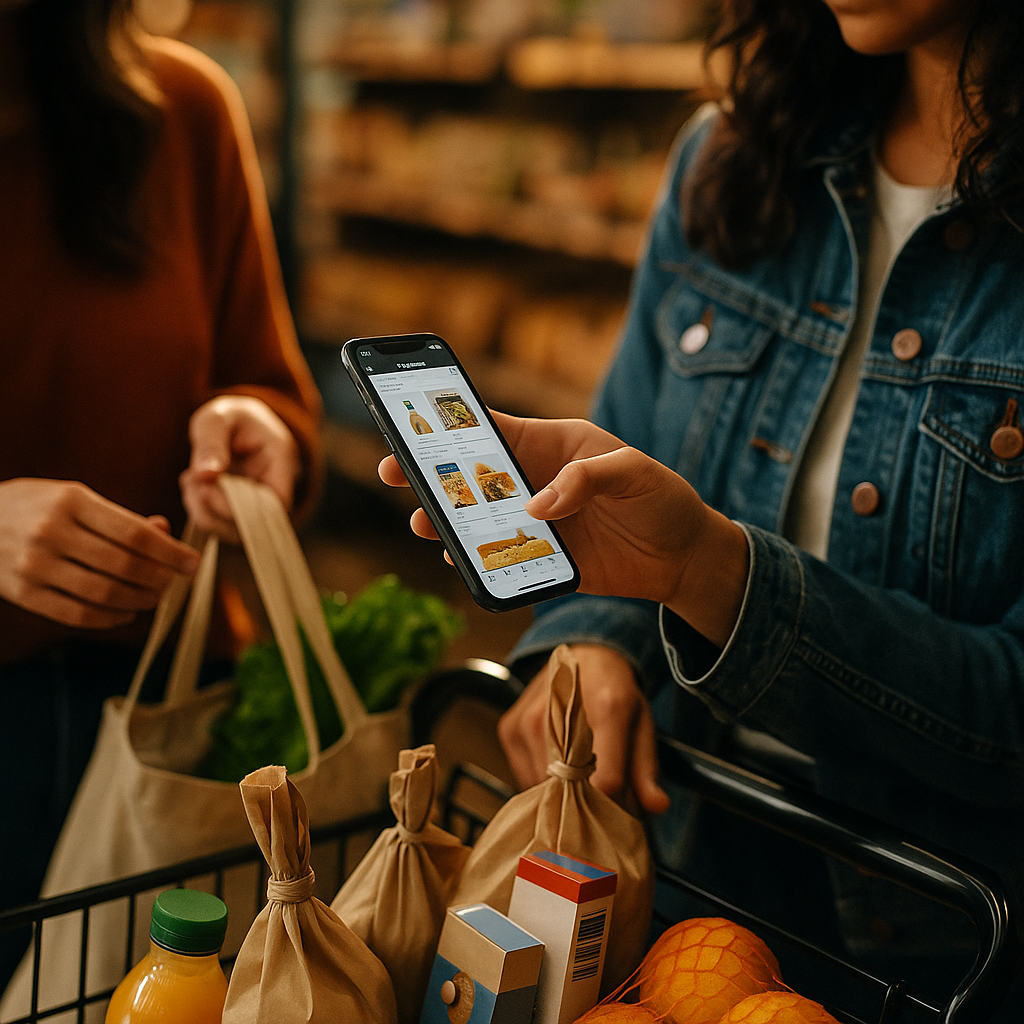
In 2025, shoppers are rethinking ownership, value, and community as rising costs and digital coordination reshape everyday buying. The Neo Collectivism Trend is pushing consumers to team up, split costs, and purchase together—often in curated bundles that feel smarter than single-item carts. Brands that understand these motivations can grow loyalty and reduce churn. What’s driving this shift, and why does bundling work so well?
Neo collectivism meaning: from “me” to “we” purchasing
Neo collectivism describes a modern, consumer-led move toward shared decision-making, pooled spending, and coordinated consumption. It is not the same as traditional collectivism tied to politics or institutions. Instead, it shows up in practical behaviors: friends coordinating bulk grocery buys, coworkers subscribing to shared software plans, neighbors organizing group deliveries, and online communities recommending “starter kits” that remove guesswork.
Several forces converge in 2025 to make this behavior feel natural rather than niche:
- Coordination is frictionless. Group chats, buy-now-pay-later tools, subscription management apps, and social marketplaces make it easy to plan and pay as a group.
- Trust is increasingly peer-based. Consumers weigh community reviews, creator demos, and private-group recommendations as heavily as brand messaging.
- Value is defined by outcomes, not items. People want “a week of lunches,” “a complete skincare routine,” or “a ready-to-host kit,” not a random assortment of products.
Buying in bundles fits neo collectivism because it operationalizes the “we” mindset. A bundle provides a shared solution, a predictable spend, and fewer decisions—ideal for households, friend groups, and communities that coordinate purchases or copy what the group has validated.
Buying in bundles: the economic and psychological drivers
Consumers aren’t buying bundles only to save money. They are also buying confidence, convenience, and cognitive relief. In 2025, “decision fatigue” is a real cost: too many choices, too many sellers, and too many unknowns. Bundles simplify the path to a good outcome.
Here are the core drivers behind buying in bundles:
- Budget predictability. Bundles create a clear total price and reduce impulse add-ons at checkout. For households managing weekly expenses, this predictability matters as much as the discount.
- Perceived fairness. Group purchases feel fair when everyone gets the same “set” or shares a clearly divided quantity. That social clarity reduces conflict and makes repeat buying more likely.
- Risk reduction. A curated bundle signals that products work together. This matters in categories where compatibility is uncertain: skincare, supplements, home improvement, baby essentials, and electronics accessories.
- Time savings. Consumers trade time for money less than they used to. Bundles shorten search time, reduce comparison spirals, and help buyers act quickly when they trust the curator.
- Stronger “deal” satisfaction. Bundles anchor value: buyers compare the bundle price to the perceived sum of separate items and feel they “won” the purchase.
Many readers ask a practical follow-up: “Are bundles only for low-income shoppers?” No. Higher-income consumers also bundle because they value simplicity and want fewer deliveries, fewer returns, and fewer decisions. The motivations differ, but the behavior converges.
Group buying behavior: how communities shape carts in 2025
Neo collectivism is amplified by community infrastructure. Consumers now shop with a constant feedback loop: a message thread, a creator’s storefront, a neighborhood forum, or a niche Discord group. This shapes carts in three notable ways.
1) Social proof becomes pre-purchase validation. When a bundle is endorsed by a trusted micro-community, shoppers treat it like pre-tested advice. That validation replaces lengthy research. For brands, this means bundles should be designed to be shareable: clear naming, obvious use-case, and a concise list of what’s inside.
2) The “starter kit” becomes a social artifact. Communities coalesce around routines and identities: gym beginners, new parents, first-time renters, home baristas, remote workers, and hobbyists. Bundles work because they provide a common baseline. The bundle is not just products; it is a shared entry point.
3) Group logistics favor fewer shipments and fewer errors. Group purchasing often happens under time pressure. People want one checkout, one tracking flow, and one delivery plan. Bundles reduce fulfillment complexity and minimize “who ordered what?” confusion.
A common follow-up question is: “Does group buying only happen online?” It happens everywhere. In-store, it shows up as shoppers splitting warehouse-club packs, coworkers pooling office snack orders, and households buying multipacks to reduce store trips. Online simply makes coordination faster and more visible.
Value-driven shopping: why bundled offers feel more trustworthy
In 2025, many consumers assume that pricing is dynamic and that product pages are optimized to upsell. That skepticism can reduce conversion—unless the offer feels transparent. Bundles can build trust when they are clearly explained, fairly priced, and aligned with a real need.
To make bundles feel credible rather than gimmicky, the highest-performing brands apply a few trust principles:
- Explain the “why” of each item. A helpful bundle description answers: what role does each product play, and what outcome does it enable? This mirrors how an expert would recommend a set.
- Use plain-language value math. If there is a discount, state it cleanly. If the value comes from convenience or compatibility, say that directly instead of implying a “deal” that doesn’t exist.
- Show real usage guidance. Include a simple routine, setup steps, or a “what to do first” sequence. That content demonstrates expertise and reduces returns.
- Offer flexible substitutions. Neo collectivism values inclusion. Let buyers choose scent, shade, dietary preference, or size within the bundle. Flexibility prevents the bundle from feeling like forced inventory clearance.
- Back the bundle with policy clarity. State how returns work for partial bundles, how warranties apply, and what happens if one item is out of stock.
Value-driven shoppers also ask: “Are bundles always cheaper?” Not always, and they don’t need to be. Many consumers accept the same price (or a small premium) if the bundle saves time, ensures compatibility, or reduces the chance of buying the wrong item. Trust comes from honesty about what the customer is paying for.
Subscription bundles and curated kits: the fastest-growing bundle formats
Bundling is no longer limited to “buy 3, save 10%.” In 2025, two formats stand out because they match how people live: subscription bundles and curated kits.
Subscription bundles work when replenishment is predictable and the buyer wants fewer decisions. Examples include household essentials, pet supplies, personal care, coffee, vitamins, and printer consumables. The best subscription bundles avoid the classic trap of “set it and forget it” churn by adding control and visibility:
- Adjustable frequency and quantities. Let customers scale up or down as household needs change.
- Pause and swap options. Swapping within the bundle keeps the subscription relevant without forcing cancellation.
- Usage reminders based on real cadence. Encourage right-time replenishment rather than rigid monthly shipping.
Curated kits succeed when the buyer wants an expert-guided start or a complete solution. They fit “life moments” and “first-time” needs: moving, travel, new jobs, new hobbies, post-injury recovery, and seasonal hosting. Curated kits win because they reduce uncertainty: customers don’t have to know what to buy; they only need to know what they want to accomplish.
A key follow-up question: “Which format is better for brands?” Subscription bundles build recurring revenue and predictability. Curated kits can acquire customers faster and introduce them to a system of products. Many brands use kits for acquisition and subscriptions for retention, linking them with a “refill path” that feels natural.
Retail bundling strategy: how brands can win without eroding margins
Bundling can increase average order value, reduce returns, and improve customer satisfaction—but only if designed with discipline. A strong retail bundling strategy starts with customer outcomes, then aligns merchandising, pricing, and operations.
Design bundles around jobs-to-be-done. Name bundles by the customer’s goal, not by the products. “Weeknight Meal Prep Set” is clearer than “Kitchen Bundle A.” Outcome naming improves search intent match and shareability.
Use tiered bundles to capture different budgets. Offer good/better/best versions: a starter set, a complete set, and a premium set. This lets consumers self-select without feeling upsold, and it helps brands protect margins by anchoring value at the higher tier.
Bundle for compatibility and completion. The most return-prone purchases often fail because customers miss a key accessory, step, or complementary product. Bundling can reduce failures: device + compatible cable, skincare cleanser + moisturizer + SPF, paint + primer + tape, or baby bottle + nipples + brush.
Be careful with discounting. In 2025, aggressive discounting can train customers to wait. Consider alternatives that preserve margin:
- Value-add bundling: include a low-cost, high-perceived-value item (sample size, travel pouch, setup guide, or extended support).
- Free shipping thresholds tied to bundles: make bundles the easiest path to free shipping.
- Member-only bundles: reward loyalty without devaluing public pricing.
Operationalize bundle integrity. Make sure inventory, picking, and substitutions are clean. If the bundle is frequently missing items or shipping late, trust breaks quickly—especially in group buying contexts where one person’s bad experience affects the entire community’s willingness to reorder.
Prove expertise with helpful content. EEAT isn’t a tagline; it’s demonstrated through clarity and usefulness. Add bundle pages that include:
- Who it’s for and who should choose a different bundle
- What’s included with exact sizes/compatibility notes
- How to use it with a short sequence
- Safety and compliance notes when relevant (supplements, baby, electronics)
- Support paths (chat, setup help, warranty details)
Readers often ask: “Will bundling cannibalize single-item sales?” It can, but it often improves total profitability because bundles reduce marketing waste, increase conversion, and lower returns. The best way to manage cannibalization is to reserve bundles for high-intent use cases and offer singles for replenishment and customization.
FAQs: Neo collectivism and bundle buying
What is neo collectivism in consumer behavior?
Neo collectivism is a practical shift toward shared purchasing decisions, community validation, and coordinated consumption. People buy with input from peers and often choose bundles or group-friendly offers that reduce cost, effort, and uncertainty.
Why are consumers buying in bundles more often in 2025?
Bundles help shoppers control budgets, save time, reduce decision fatigue, and feel confident that items work together. Social sharing and community recommendations also make bundles easier to discover and trust.
Are bundles always cheaper than buying items individually?
No. Some bundles focus on convenience, compatibility, and a complete solution. When pricing is transparent and the outcome is clear, shoppers will still choose bundles even without a large discount.
Which products work best for bundling?
Bundles perform best in replenishment categories (household, personal care, pet) and in “complete solution” categories (skincare routines, hobby starter kits, home improvement sets, baby essentials, device accessories). The key is whether the bundle reduces uncertainty or friction.
How can a brand create bundles without hurting margins?
Use tiered bundles, value-add items, member-only bundles, and shipping incentives instead of deep discounts. Design bundles around customer outcomes and reduce returns by bundling for compatibility and completeness.
What’s the difference between curated kits and subscription bundles?
Curated kits solve a specific moment or goal (a complete start). Subscription bundles solve ongoing replenishment (a repeat rhythm). Many brands pair them by turning a kit into a subscription refill path.
Neo collectivism is changing what “value” means: consumers want shared confidence, lower friction, and outcomes they can trust. Bundles deliver that by simplifying decisions, aligning products into complete solutions, and fitting how groups coordinate purchases in 2025. For brands, the winning move is to build transparent, goal-based bundles that respect budgets and reduce risk. Get the bundle right, and communities will market it for you.