


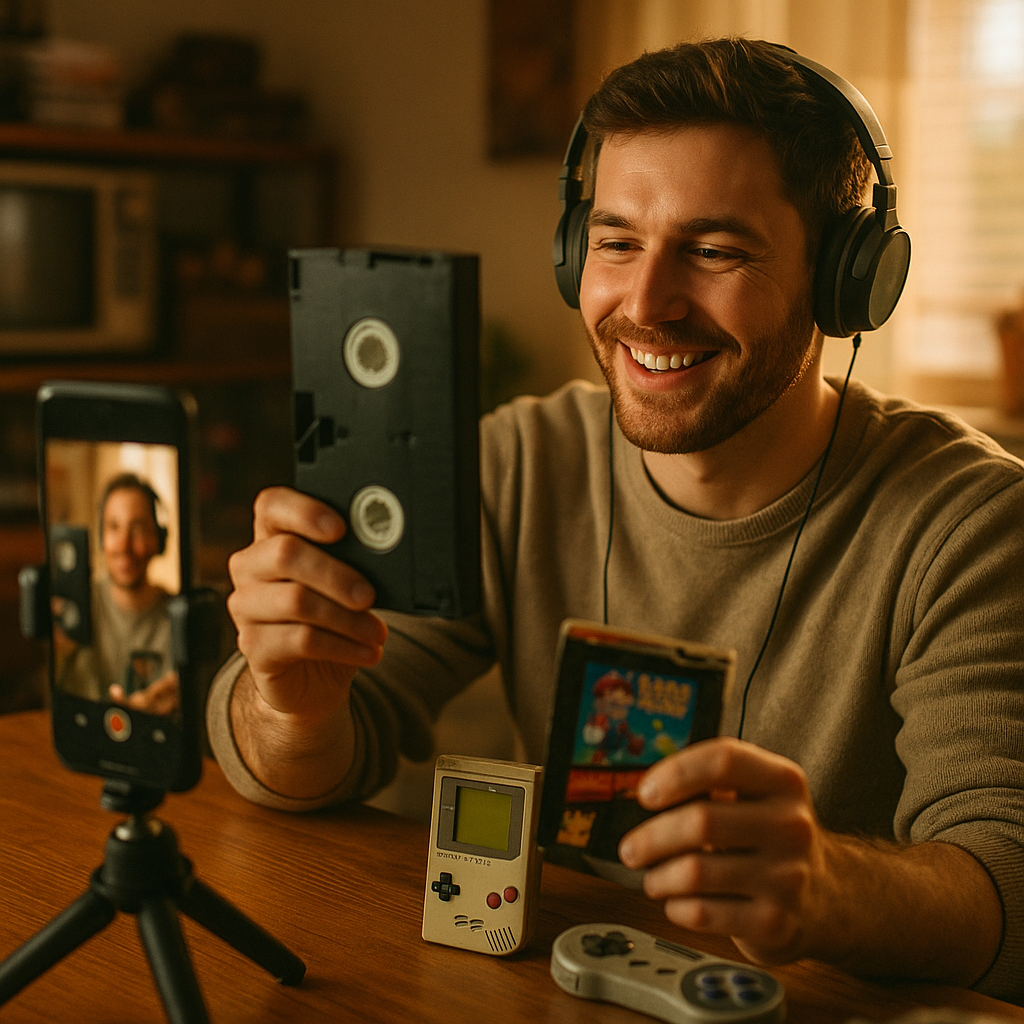
Nostalgia marketing with millennial creators has become a powerful strategy for brands seeking authentic connections and memorable campaigns. By collaborating with creators who grew up in the 1990s and 2000s, marketers tap into cultural touchstones that drive emotional engagement and purchasing decisions. Discover how nostalgia marketing is transforming digital campaigns with millennial creators at the creative forefront.
Nostalgia Appeal: Unlocking Emotional Engagement
Nostalgia is more than a fleeting feeling—it’s a potent psychological trigger. According to a 2024 report by Kantar, 79% of millennials associate positive emotions with nostalgic content, making it ripe for brand storytelling. By leveraging memories of simpler times, from animated TV shows and vintage tech to iconic snacks, marketers create a comforting familiarity that both soothes and excites.
Nostalgia marketing draws directly on the emotional currency of an audience raised on rapid technological changes and unique pop culture milestones. When millennial creators weave such memories into their content, younger consumers not only relate to them—they find reassurance and joy, increasing the likelihood of brand recall and loyalty.
Why Partner With Millennial Creators for Influencer Campaigns?
Millennial creators hold a distinct advantage in authenticity and relatability. Having experienced the transition from analog to digital firsthand, they bridge the gap between generations. Their storytelling is genuine because their nostalgia is lived, not fabricated. This lived experience allows for:
- Deeper Audience Trust: Followers know creators are sharing personal history, not just reciting marketing copy.
- High Engagement Rates: As reported by Influencer Marketing Hub in late 2024, millennial influencers have a 27% higher engagement rate when using nostalgic themes, compared to non-nostalgic campaigns.
- Cultural Resonance: Their memories range from early internet culture to timeless TV shows, speaking directly to millennial and Gen Z audiences.
Brands see higher ROI when nostalgia feels organic, and millennial creators embody this authenticity, offering strategic value that’s hard to replicate.
Crafting Nostalgic Content That Resonates
Creating successful nostalgic content goes beyond hashtagging #TBT (“Throwback Thursday”). Effective nostalgia marketing with millennial creators requires thoughtful content creation grounded in real cultural artifacts. To achieve resonance in 2025, brands employ several key tactics:
- Story-driven Narratives: Millennial creators share personal anecdotes about music, gaming consoles, or family routines, inviting followers into a shared experience.
- Visual Cues: Incorporating retro fonts, color palettes, or even familiar jingles from 90s commercials instills instant recognition.
- Interactive Trends: Campaigns using “remix” trends, like recreating childhood recipes or unboxing vintage toys, encourage user participation and UGC (user-generated content).
- Timely Relevance: Coordinating posts with pop culture anniversaries, product relaunches, or seasonal events maximizes exposure.
By tapping into memories tied to emotion—first cell phones, movie premieres, or elementary school snacks—brands spark nostalgia and foster a sense of community between creators and followers.
The Evolution of Nostalgia Trends in Social Media Marketing
The landscape of nostalgia marketing has evolved rapidly. In earlier influencer eras, retro references were occasional gimmicks. But since 2022, sustained demand and algorithm shifts have made nostalgia a key content pillar across platforms. In 2025, TikTok and Instagram Reels drive this trend, with hashtags like #90sKids, #RetroRewind, and #MillennialMemories surging in popularity.
Key reasons for this evolution include:
- The growing millennial buying power and their active social media presence.
- The mainstreaming of retro fashion, music, and tech as desirable, not dated.
- Social desires for connection and comfort in uncertain times, magnified during rapid news cycles and digital overload.
With video-led platforms favoring bite-size, shareable content, nostalgia themes encourage virality and prolonged brand attention. Millennial creators—seasoned in both storytelling and digital literacy— expertly capitalize on these trends to shape brand perception online.
Measuring the Impact: ROI and Brand Loyalty
Investing in nostalgia marketing with millennial creators yields measurable returns for brands eager to cut through the digital noise. According to a 2024 Nielsen study, branded campaigns engaging nostalgia enjoy a 36% lift in brand recall and a 19% increase in purchase intent compared to standard digital ads.
Key performance indicators (KPIs) brands monitor include:
- Engagement Rate: Likes, comments, shares, and saves indicate resonance and ongoing relevance.
- Brand Sentiment: Social listening tools capture positive emotional reactions, such as stories of “remembering when.”
- Long-Term Community Growth: Consistently nostalgic campaigns build loyal followings, converting casual viewers into lifelong customers.
- Sales and Conversions: Uplifts in campaign-related product sales or event sign-ups are direct signals of marketing success.
The secret? Emotional equity. When millennials identify with the content, they’re more receptive to branded messaging, which translates to higher engagement and stronger brand loyalty over time.
Ethics and EEAT: Building Trust in Nostalgia Marketing
Nostalgia marketing’s power comes with a responsibility: authentic storytelling must never slip into manipulation or cultural inaccuracy. Google’s EEAT framework—Experience, Expertise, Authoritativeness, and Trustworthiness—is essential for long-term success in digital campaigns, especially with nostalgia at the core.
- Experience: Millennial creators should share firsthand stories, reflecting real memories and emotions, not generalized trends.
- Expertise: Brands must confirm references are accurate, reflecting the correct era and facts to avoid losing credibility.
- Authoritativeness: Recognized creators or those with a track record in nostalgia-based content routinely outperform new entrants. Secure partnerships with well-established influencers to drive trust.
- Trustworthiness: Sponsored content should always be transparent. Disclosures and open engagement with followers prevent backlash and ensure sustainable influencer relationships.
By adhering to these ethical standards and Google’s EEAT guidelines in 2025, brands not only amplify their reach but also build lasting trust—transforming nostalgia from a passing trend to a cornerstone of brand identity.
FAQs: Nostalgia Marketing With Millennial Creators
-
What is nostalgia marketing with millennial creators?
It’s a strategy where brands partner with influencers born between 1981 and 1996, leveraging their personal stories and references from the 90s and early 2000s to create emotionally engaging campaigns that drive connection and conversions.
-
Why are millennials especially effective at nostalgia marketing?
Millennials are uniquely positioned as they witnessed both analog and digital eras, giving them authentic stories and shared cultural references with both older and younger audiences. This bridges generational gaps and deepens engagement.
-
Which platforms work best for nostalgia-themed influencer campaigns in 2025?
TikTok and Instagram Reels lead the way, with their video-centric formats allowing creators to remix trends, visuals, and sounds from the past. YouTube Shorts and Pinterest also offer significant traction for visual storytelling.
-
How do brands ensure authenticity in nostalgia campaigns?
Brands should work closely with creators to co-develop content based on their true experiences. Verifying cultural references and using transparent, honest storytelling helps maintain credibility and trust according to Google EEAT principles.
-
Can nostalgia marketing work for Gen Z audiences?
Yes, Gen Z responds positively to nostalgia, often embracing trends from before their time. However, campaigns must balance retro references with modern context to foster relevance and avoid alienating younger viewers.
Nostalgia marketing with millennial creators unlocks a proven path to emotional engagement and brand loyalty. By partnering authentically and following EEAT principles, marketers can create campaigns that stand out in 2025’s crowded digital landscape—fostering real connections and lasting impact in the hearts and minds of their audience.