


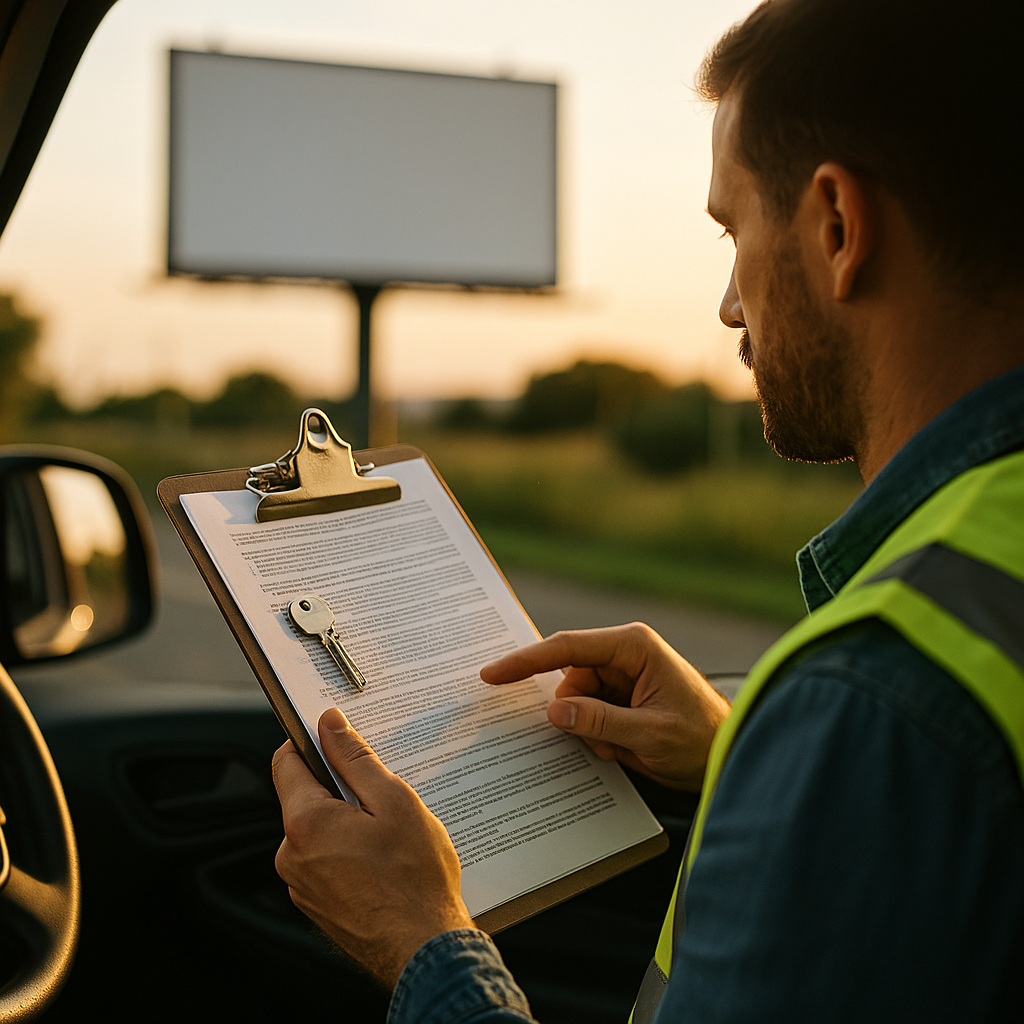
Understanding usage rights for OOH (Out Of Home) billboards is vital for advertisers, brands, and creatives aiming to leverage this powerful medium. Without clear knowledge of ownership, licensing, and legal obligations, campaigns risk costly missteps. Dive into this comprehensive guide to usage rights for OOH billboards and unlock the keys to compliant, effective outdoor advertising in 2025.
Overview of OOH Billboard Advertising
Out Of Home (OOH) billboard advertising continues to thrive in urban areas, transit corridors, and high-traffic zones. Brands allocate significant budgets to achieve high visibility and real-world engagement. However, the physical nature of billboards means that regulatory compliance and understanding of secondary keyword “OOH advertisement licensing” are critical components before any campaign launch.
This form of advertising goes beyond digital metrics, demanding a precise understanding of geographic exclusivity, location-specific regulations, and usage restrictions. Advertisers must navigate permissions from local councils, private property owners, and billboard operators, making knowledge of the licensing landscape central to successful campaign execution.
Understanding OOH Billboard Usage Permissions
Securing OOH billboard usage permissions involves multiple steps. Usage rights cover both the right to display on a specific billboard and the right to use creative assets (images, artwork, or branded content) in the campaign. Advertisers must:
- Obtain permission from the billboard owner or advertising company for each location.
- Ensure the creative content’s rights, including photographs, illustrations, and trademarks, are cleared for public use.
- Verify contract terms to understand duration, geographic scope, and any modification restrictions.
Failure to secure explicit usage rights can lead to legal disputes or forced removal of campaign materials. As some cities enforce strict rules on billboard content, advertisers should collaborate closely with legal and compliance teams.
Creative Licensing for OOH Billboards
Billboard creative content rights constitute a significant piece of the usage rights puzzle. When designing content, every visual element—from stock photos to bespoke graphics—must be cleared for commercial public display. In 2025, copyright infringements remain one of the leading causes of campaign takedowns in OOH advertising.
To ensure compliance:
- Obtain clearances or licenses for all third-party assets used.
- Review royalty-free and rights-managed image licenses for terms that specifically allow outdoor, public, and large-format usage.
- Avoid using celebrity likenesses, trademarked designs, or sensitive political references without legal approval.
For campaigns involving user-generated content or influencer images, advertisers must negotiate additional, written permissions for billboard usage.
Legal Obligations and Contractual Considerations
The framework for legal obligations for billboard advertising includes copyright law, contract law, and local advertising codes. Unlike digital ads, billboards are highly public and subject to scrutiny by authorities and the community. Advertisers should address the following legal aspects:
- Advertising Content Compliance: Avoid false claims, offensive messaging, or prohibited materials. Consult the Outdoor Advertising Association and local ordinances.
- Lease/License Agreements: Contracts with outdoor operators should specify start and end dates, creative change policies, liability clauses, and termination terms.
- Insurance: Secure proper insurance to protect against vandalism, weather damage, or legal claims arising from the advertisement’s content.
- Privacy Laws: If using images of individuals, ensure compliance with privacy and publicity rights legislation, which can vary by jurisdiction.
Ambiguous contracts or unclear rights often lead to disputes, delays, or financial penalties. Legal teams should review all agreements before campaign rollout to minimize risk.
Best Practices for OOH Advertisement Licensing
OOH advertisement licensing isn’t just about avoiding mistakes—proper procedures also maximize campaign ROI and creative freedom. To operate effectively in 2025’s competitive OOH landscape, professionals should adopt the following best practices:
- Document Every Right: Keep meticulous records of creative licenses, contracts, and approvals for each element and campaign run.
- Negotiate for Reusability: When possible, negotiate licensing terms for creative assets that allow reuse across campaigns and platforms.
- Plan for Contingencies: Prepare backup creatives in case of last-minute denials or unforeseen local restrictions.
- Regular Legal Training: Train marketing and design teams to recognize potential rights or licensing issues before creative production begins.
Committing to these strategies helps avoid pitfalls and ensures campaigns are both effective and compliant—reducing the risk of takedowns or legal battles.
Emerging Trends in OOH Billboard Rights Management
As technology evolves, so does rights management for digital billboards and other OOH formats. In 2025, advertisers increasingly use data-driven campaigns and dynamic content, which require more agile licensing arrangements. Digital billboards may update creatives several times an hour, making automated license tracking and management essential.
Recent trends include:
- Automated Rights Platforms: Platforms that verify content licenses in real time before scheduling displays on digital billboards.
- Geo-Targeted Licensing: Contracts specifying usage rights by zip code or city, enabling hyper-local advertising with precise compliance.
- AI-Based Content Screening: Leveraging artificial intelligence to flag potentially infringing content before approval.
Staying informed about these innovations positions brands to act quickly while avoiding the pitfalls of outdated rights-management practices.
FAQs About Usage Rights For OOH Billboards
-
Who owns the rights to content displayed on a billboard?
The advertiser typically owns or licenses the content. However, the billboard company owns the display space and may set content guidelines. Both parties need clear contracts detailing rights and responsibilities before a campaign launches.
-
Do I need different licenses for digital and traditional billboards?
Yes. Digital billboards, with dynamic and rotating content, often require separate or expanded licenses for creative assets due to their format, frequency, and geographic variation. Always confirm permissions specific to digital displays.
-
Can I use stock images or templates on billboards?
Only if the license agreement for the image explicitly allows billboard or OOH usage. Always check the “permitted usage” section in the license, and consult legal teams if in doubt.
-
What happens if I use unlicensed content in a billboard campaign?
Consequences include potential legal claims, fines, removal of your advertisement, and reputational harm. Address all usage rights before finalizing creative assets.
-
Are there specific legal differences for OOH billboards in different cities?
Yes, municipal regulations vary. Some prohibit certain products or language, others restrict placement. Always consult local laws before contracting a billboard campaign.
Mastering usage rights for OOH billboards accelerates campaign success and peace of mind in 2025. By aligning legal, creative, and contractual strategies, advertisers can avoid costly pitfalls and amplify their message—knowing every asset and display is fully compliant from concept to execution.