


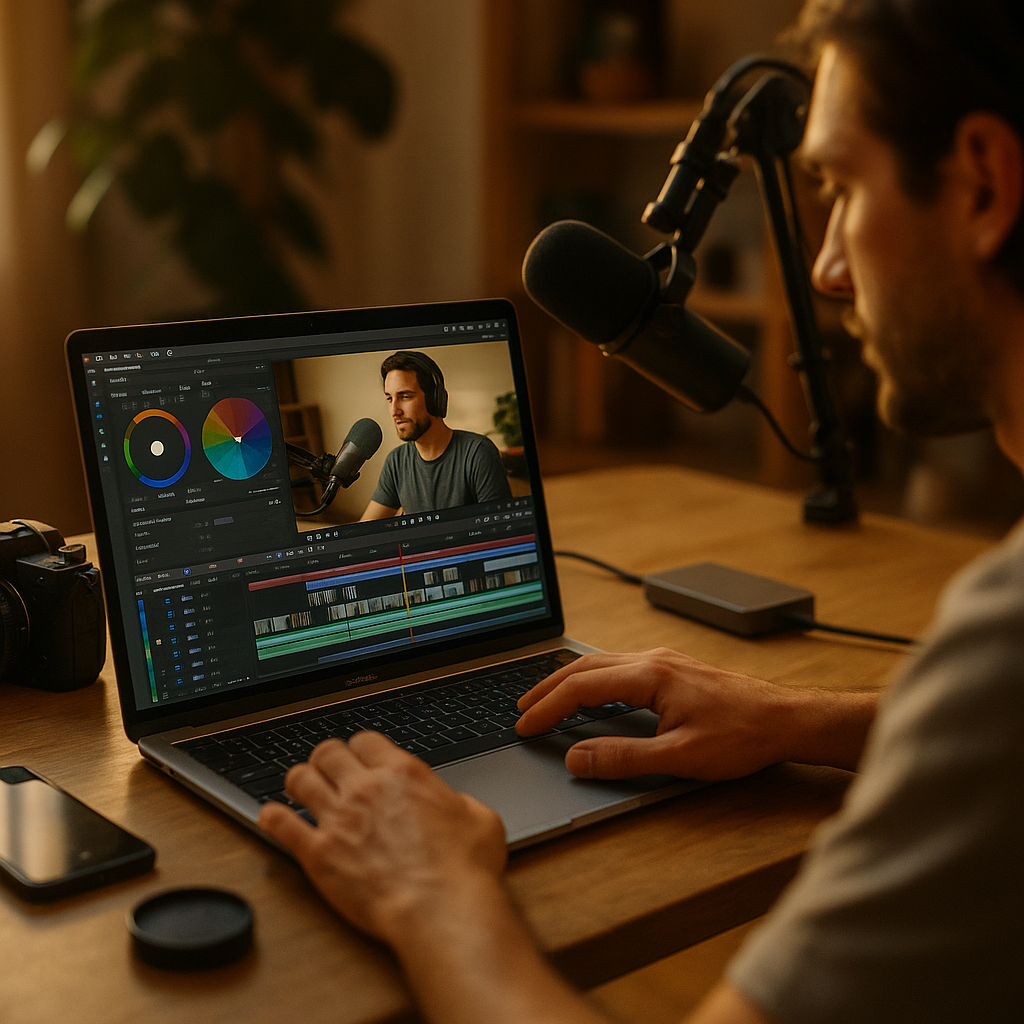
Identifying tools that measure creator content friction points is essential for brands and creators keen on optimizing user experiences and boosting engagement. With content production surging in 2025, even minor friction can hinder results. Let’s explore the systems, metrics, and technologies that uncover and resolve friction in content creation workflows—so creators can thrive and audiences stay engaged.
Understanding Content Friction and Why It Matters
To optimize content, you must first grasp what content friction means. In the digital creator landscape, friction describes obstacles that slow or discourage audience interaction or that burden creators during the creation process. These roadblocks might be poor UX design, confusing workflows, or tech limitations.
High friction leads to poor retention and lower ROI. A 2024 HubSpot study found that brands addressing friction increased audience dwell time by 28% on average. By tracking and reducing these points, companies foster loyalty and empower creators to deliver consistently high-quality work.
Top Software Platforms for Measuring Workflow Friction
Managing the myriad of steps creators navigate—from brainstorming to publishing—requires robust analytics tools laser-focused on workflow friction. Here are the most effective analytics platforms in 2025:
- Notion AI Analytics: With integrated metrics, Notion’s dashboard highlights common workflow stoppages, collaboration bottlenecks, and task completion rates. It lets content teams visually trace where creators spend the most time or face hurdles.
- Asana Insights: Asana’s 2025 update now includes project friction alerts, flagging steps with excessive edits, missed deadlines, or repetitive queries, letting managers intervene preemptively.
- Trello Power-Ups: Trello’s analytics extensions now deliver heatmaps of card activity and comment threads, revealing stages where team members slow down or need extra support.
Each suite visualizes the complete workflow, highlighting friction points with actionable data that drive process improvement.
Tracking Content Performance: Key Metrics for Friction Analysis
Not all friction occurs behind the scenes; some is purely content-audience related. To measure friction points from the audience’s perspective, these essential metrics matter:
- Engagement Drop-off Rates: Using platforms like Google Analytics 5 or Heap, creators measure where viewers exit, skip, or stop interacting, pinpointing problematic sections.
- First Input Delay (FID): This web metric tracks site responsiveness. A high FID signals hesitation or delay when users try to engage, indicating technical friction.
- Heatmaps and Scroll Maps: Tools like Hotjar visualize which parts of posts or videos get ignored, helping creators adjust structure, tone, or calls-to-action.
- Feedback Cycle Analytics: Systems like Userback and Typeform connect open-ended user feedback to specific content steps, surfacing qualitative insights on where friction is felt.
Reviewing both quantitative and qualitative data delivers a holistic view, ensuring friction is measured accurately from every angle.
Creator Experience Surveys: Direct Input on Process Friction
Numbers alone can’t capture every pain point. Structured creator experience surveys provide invaluable qualitative data about everyday frustrations and aspirations. The most successful teams use:
- Automated Check-ins: Weekly pulse surveys automatically trigger to ask about time wasted, unclear instructions, or tech challenges.
- Anonymous Feedback Loops: To ensure candor, platforms like Culture Amp and Officevibe offer confidential reporting tools wherein creators highlight process blockers or tool issues without fear of reprisal.
- Sentiment Analysis: New AI-powered survey tools now analyze creator feedback for recurring emotional signals—frustration, confusion, or motivation—revealing unseen friction hot-spots.
The integration of structured surveys into regular workflows encourages transparency, nurtures team morale, and ensures friction points are surfaced and acted on rapidly.
Automated Testing and AI Solutions for Friction Detection
As AI advances, the latest content optimization tools employ automation not just for monitoring, but for predicting and resolving friction. In 2025, AI-driven options are more effective than ever:
- Experience Optimization Engines: Platforms like Optimizely X automatically test variations of content layouts and workflows, identifying friction points by analyzing hybrid engagement and efficiency data in real time.
- Predictive Task Modeling: Using past project data, tools like Monday.com’s AI Insights predict likely workflow bottlenecks before they occur and suggest proactive solutions.
- Adaptive Content Editors: Grammarly Workspaces and Jasper AI now offer in-editor friction detection, prompting creators when writing clarity, readability, or collaboration steps are likely to stall progress.
These smarter platforms help creators and managers resolve friction points early, boosting both content quality and labor satisfaction.
Best Practices for Integrating Friction Measurement Tools
To reap the full benefits of measuring creator content friction points, follow these practical steps for implementation:
- Define Clear Objectives: Pinpoint which workflow or engagement metrics matter most to your team before onboarding new tools.
- Centralize Reporting: Aggregate all friction analytics into a single dashboard for easier trend-spotting and decision-making.
- Set Feedback Cadence: Schedule regular review cycles for both quantitative data and survey results, ensuring no friction point lingers unaddressed.
- Commit to Action: Use insights to drive real process changes—streamlining steps, updating tech, or improving training resources.
- Maintain Transparency: Communicate findings and improvements openly with all stakeholders to nurture trust and continuous participation.
A mature friction measurement strategy is not a one-time fix, but a continuous process woven into company culture.
Conclusion: Powering Creator Success with Friction Insights
Measuring creator content friction points in 2025 requires a holistic mix of analytics, feedback, and automation. By leveraging these tools, brands and creators eliminate obstacles and enhance productivity, quality, and engagement. The clear takeaway: success stems from continually tracking and resolving friction at every stage of the creator journey.
FAQs: Measuring Creator Content Friction Points
-
What are content friction points?
Content friction points are obstacles or barriers that slow down, confuse, or discourage creators or audiences during the content creation, review, and engagement processes.
-
Which metrics help identify content friction?
Key metrics include engagement drop-off rates, workflow completion times, first input delay, user feedback sentiment, and heatmap analysis of content sections.
-
How often should friction points be measured?
Friction points should be evaluated continuously with each major project or via weekly/monthly reports, combined with rolling feedback surveys for a full picture.
-
What role does AI play in measuring friction?
AI tools predict bottlenecks, monitor behavioral patterns, and offer real-time suggestions to minimize friction, streamlining both content creation and audience experience.
-
Are there risks in tracking friction points?
If not managed transparently, tracking can make creators feel surveilled or blamed. Always pair friction analysis with supportive updates and clear communication.