


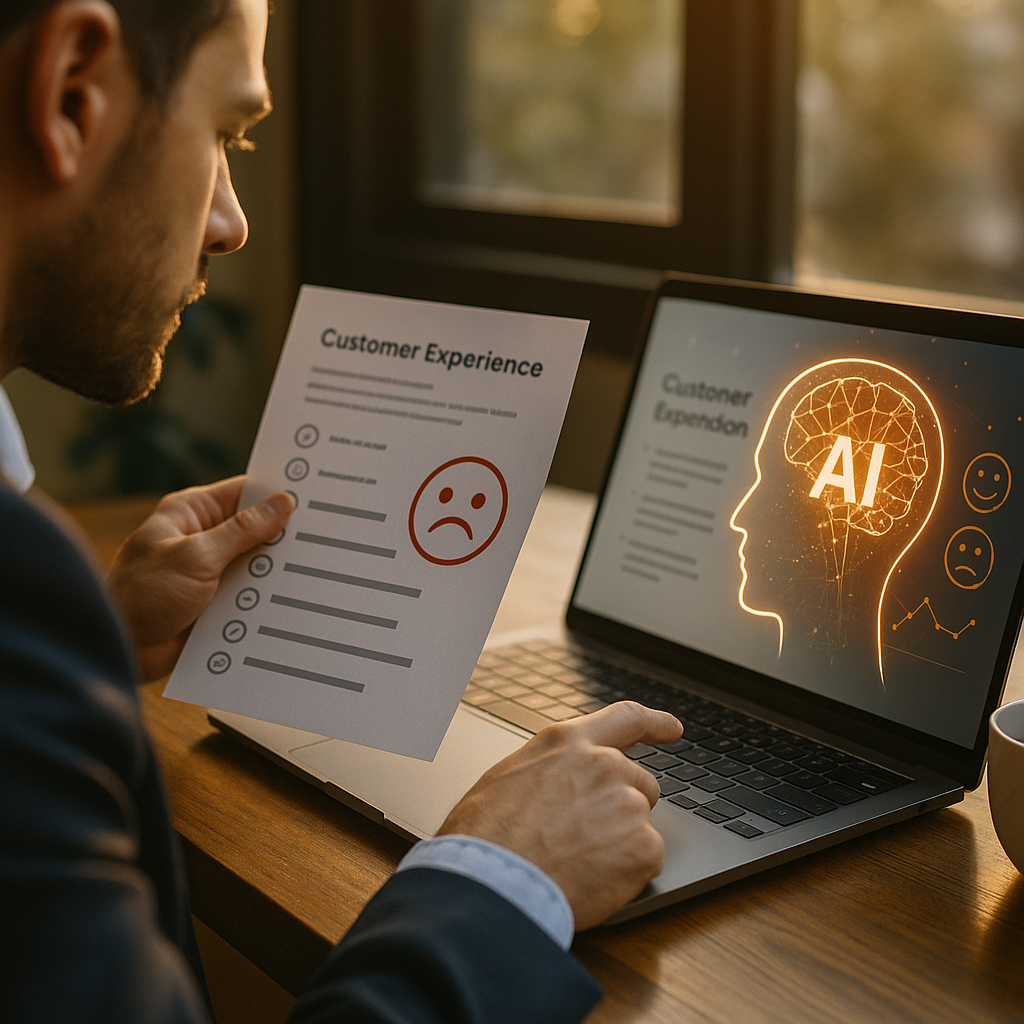
Using AI to analyze customer journeys and identify friction points empowers businesses to optimize experiences and boost engagement. With today’s advanced tools, brands can uncover hidden challenges in every interaction, transforming insights into growth. Ready to discover proven ways AI is redefining customer experience and fixing what slows conversions?
How AI Customer Journey Mapping Works in Practice
AI customer journey mapping combines advanced analytics with real-time data streams to build a clear, actionable view of how customers move through every touchpoint. Unlike traditional manual mapping, AI integrates both structured and unstructured data from multiple channels—websites, chatbots, emails, and even offline interactions—to generate comprehensive visualizations.
Modern AI platforms segment journey stages dynamically. They not only log each step a customer takes but also analyze context, emotional tone, and purchasing signals. This granular perspective exposes pain points and moments of delight that human analysis might overlook. By providing this 360-degree understanding, AI makes it possible to highlight friction points wherever they occur, even in complex, omnichannel journeys.
According to 2025 research from Deloitte, over 70% of enterprises now rely on AI-powered journey mapping to support customer experience strategies, evidencing rapid adoption and recognized value at scale.
Pinpointing Friction Points with Real-Time Customer Journey Analytics
Real-time customer journey analytics leverages AI to detect bottlenecks and frustration long before they escalate. By processing interaction data instantly, AI systems track key metrics—such as page abandonment rates, repeated help requests, and drop-offs in purchase funnels—as they happen.
AI also uses natural language processing to assess sentiment in feedback, chat transcripts, and reviews. This capability identifies common pain points based on customer language, highlighting not just where friction exists, but why. For example, if multiple users exit after a confusing checkout prompt, AI will flag the problem and correlate it with negative sentiment in post-interaction surveys.
The result: businesses react proactively. When friction is found, teams can quickly test solutions, personalize outreach, or automate support, preventing escalation and lost revenue.
Leveraging Predictive Analytics to Optimize Customer Experience
Predictive analytics for customer experience brings foresight to journey optimization. These AI-driven models forecast where friction is likely to appear based on patterns in historical and current data. By simulating future journeys and highlighting probable drop-off points, predictive analytics helps brands address issues before they affect customers.
For example, an AI solution may notice that users from a specific acquisition channel are more likely to struggle during onboarding. It can alert marketers, trigger specialized onboarding content, or set up additional guidance automatically. This environment of continuous improvement means customer journeys become smoother over time, and customer satisfaction rises.
- Churn prediction: AI analyzes behavior patterns and predicts when a user is likely to abandon, allowing preventive engagement.
- Personalization optimization: Models test variants of messaging and site layout to discover the least friction-heavy path for different personas.
This proactive, data-driven approach far exceeds the reactive strategies of the past, setting new standards for digital engagement in 2025.
AI-Driven Personalization for Reducing Customer Pain Points
AI-powered personalization tailors every part of the customer journey, significantly lowering friction by making each step more relevant and intuitive. Using customer profiles, browsing history, and contextual signals, AI engines deliver bespoke recommendations, content, and assistance—where and when customers need them.
For example, if a returning user hesitates at product comparison, AI might display dynamic help or offer direct chat support. If transaction steps cause delays, predictive routing suggests the shortest route to completion based on real-time behavioral analysis.
- Personalized product recommendations accelerate decision making.
- Adaptive interfaces respond to user intent, minimizing confusion.
- Context-aware messaging addresses concerns before they surface.
These capabilities mean fewer abandoned carts, higher conversion rates, and better customer trust across every channel. According to a 2025 survey by Accenture, 85% of consumers say personalized journeys make them more likely to recommend a brand.
Overcoming Implementation Challenges: Data Quality, Privacy, and Integration
While using AI for friction point analysis offers immense value, successful implementation demands attention to data quality, privacy, and seamless integration. AI can only surface accurate insights if fed with reliable, up-to-date information from all channels involved in the customer journey.
Leading organizations in 2025 invest in robust data collection practices and prioritize a unified data architecture. Employing strong data governance not only boosts analytic confidence but also protects consumer information in line with evolving privacy laws (such as GDPR, CCPA, and their international counterparts).
Integration with existing CRM, support, and analytics tools is another critical factor. Modern platforms provide API connectors and automated workflows to ensure smooth handoffs between AI and human teams, unlocking the full potential of predictive recommendations and real-time response.
By prioritizing transparency, ethics, and seamless integration, brands reassure customers and maximize the value of their AI initiatives.
Best Practices for Unlocking AI’s Full Potential in Customer Journey Mapping
To realize the greatest benefits from using AI to analyze customer journeys and identify friction points, organizations should adopt several best practices:
- Start with clear objectives: Define what friction looks like for your customers, backed by measurable KPIs.
- Employ cross-functional teams: Involve marketing, support, data science, and UX from day one to ensure comprehensive insight and buy-in.
- Set up continuous feedback loops: Use AI to gather ongoing feedback, test interventions, and update journey maps in real time.
- Respect privacy and ethical standards: Communicate transparently with customers about AI use and how their data is protected.
- Invest in training: Empower employees with skills to interpret AI output and translate insights into action.
Organizations that adopt these habits outperform their peers, building loyalty through seamless experiences while keeping pace with customer expectations in 2025.
FAQs: Using AI to Analyze Customer Journeys and Identify Friction Points
-
What types of friction points can AI detect in customer journeys?
AI detects issues such as confusing website navigation, slow response times, unclear messaging, frequent cart abandonment, missed personalization opportunities, and customer frustration signals in feedback or support chats.
-
How does AI handle data privacy while analyzing customer journeys?
Reputable AI platforms apply strict data governance, anonymize sensitive details, comply with global privacy regulations, and communicate privacy practices transparently to users.
-
Can AI identify friction in both digital and offline customer journeys?
Yes. AI can analyze data from digital interactions (web, app, chatbot) as well as offline sources like call transcripts, point-of-sale systems, and in-person feedback, offering a holistic view.
-
How fast can AI surface actionable friction points?
AI-powered analytics often provide real-time visibility, enabling brands to spot and address pain points within minutes or hours rather than waiting for periodic reports.
-
Will AI replace human analysts in journey mapping?
AI empowers analysts by automating data processing and highlighting trends, but human expertise is essential for interpreting nuance, developing strategy, and building empathetic solutions.
Harnessing AI to analyze customer journeys and identify friction points empowers companies to deliver seamless, proactive customer experiences in 2025. By combining real-time analytics, predictive capabilities, and personalized interventions, brands can eliminate obstacles, increase loyalty, and gain a substantial competitive advantage.