


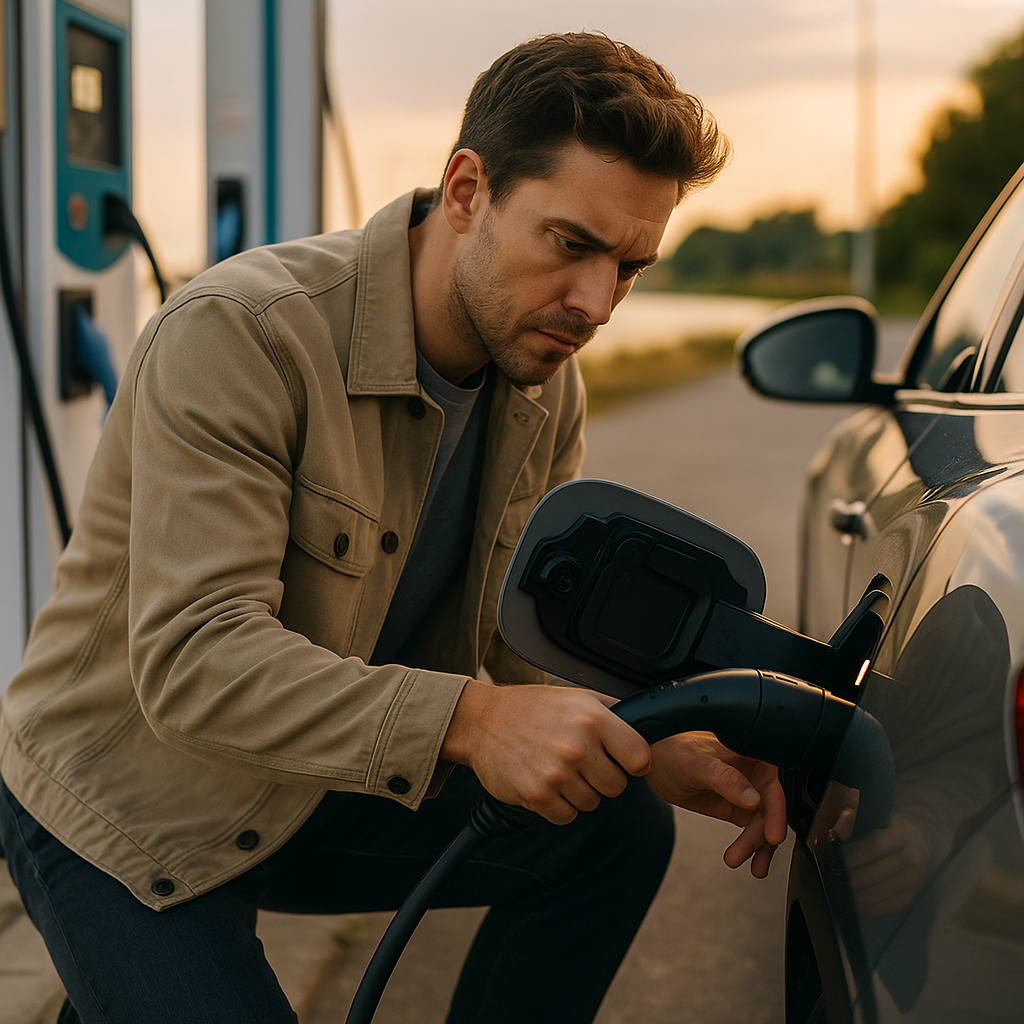
Electric vehicle charging remains central to the evolution of sustainable mobility, but “range anxiety”—the fear of running out of battery power—continues to challenge EV adoption in 2025. As charging infrastructure expands and technology advances, understanding how to effectively address range anxiety is key. Let’s explore what’s driving progress and how drivers can charge confidently in the new electric era.
Understanding Range Anxiety in Electric Cars
Range anxiety refers to the worry that an electric vehicle (EV) will not have enough battery charge to reach its destination or a nearby charging station. Unlike traditional fuel cars, EVs rely on public or private charging networks, and even though battery capacities have improved, the fear of getting stranded persists for many drivers.
According to the International Energy Agency in 2025, range anxiety remains the top hurdle cited by potential EV buyers. Drivers typically worry about long trips, unpredictable charging station availability, and variations in range due to weather, terrain, or driving style. Recognizing these concerns is the first step in delivering practical solutions and boosting confidence in electric car charging.
The Rapid Expansion of EV Charging Infrastructure
The growth of electric vehicle charging infrastructure is transforming how and where drivers recharge. In 2025, over 6 million public charging points span the globe—a figure that has doubled in just three years. This surge in fast, convenient charging supports daily commutes and long-distance travel, addressing a core aspect of range anxiety.
- Fast-Charging Networks: High-speed DC chargers can add 100 miles of range in under 15 minutes, making extended road trips more practical than ever.
- Destination Charging: More hotels, shopping centers, and workplaces now provide chargers, allowing EV owners to recharge as part of their daily activities.
- Rural and Highway Coverage: Recent investments prioritize highway corridors and rural areas, ensuring broader national coverage. This is vital for those who travel beyond urban centers.
Not only are new stations being built, but existing locations are also being upgraded to support multiple vehicles and faster charging speeds, reducing waiting times and improving reliability.
Technological Innovations in Battery Management
Battery advancements are fundamentally changing the electric vehicle charging landscape. Modern EVs in 2025 come equipped with sophisticated battery management systems that optimize performance and longevity while extending driving range.
- Enhanced Battery Chemistry: Manufacturers have integrated advanced lithium-ion and solid-state batteries, pushing average EV ranges to 450-600 kilometers per charge—well above most daily driving needs.
- Smart Energy Management: Real-time monitoring adjusts energy consumption based on route, traffic, and driving habits, providing drivers with more precise range estimates and reducing the surprise of a low battery.
- Adaptive Regenerative Braking: Modern regenerative braking systems not only reclaim energy during deceleration but also adjust their effectiveness for maximum efficiency in varying road conditions.
These technological improvements result in more predictable vehicle performance. As trust in battery reliability grows, range anxiety naturally diminishes.
Mobile Apps and Real-Time Data for Confident Travel
Digital tools have become indispensable for electric car drivers. In 2025, a variety of EV charging apps and navigation platforms help drivers plan routes, locate available chargers, and monitor their vehicle’s battery in real time.
- Route Planning: Navigation systems recommend the most efficient paths with built-in charging stops, factoring in speed, topography, and traffic. Apps like A Better Routeplanner and in-car solutions by Tesla, Polestar, and Hyundai integrate this functionality seamlessly.
- Live Charger Availability: Drivers no longer arrive at inoperative chargers. Real-time data allows users to see which stations are working, their current availability, and even book slots in advance in many regions.
- Payment Integration: Contactless and app-based payment methods eliminate uncertainty over pricing, memberships, and accessibility.
By providing comprehensive, up-to-date data, these tools help EV owners make informed decisions, greatly reducing the potential for anxiety during journeys.
Government Incentives and Policy Improvements
Public policy plays a critical role in accelerating EV adoption and alleviating range anxieties. In 2025, many governments offer targeted incentives and enforce regulations to stimulate both consumer confidence and private investment in charging infrastructure.
- Funding for Charging Networks: National and regional grants are awarded to developers that expand charger coverage—especially on less-served routes and for underprivileged communities.
- Right-to-Charge Laws: Legislation in several countries now guarantees apartment residents and renters the right to install charging facilities at home or at shared parking areas, making overnight charging more accessible.
- Standardization Efforts: Policies requiring open-platform, interoperable charging encourage network collaboration, preventing fragmentation and simplifying the user experience.
Such initiatives give both current EV drivers and prospective buyers more assurance that reliable, convenient charging will meet their everyday needs.
Practical Strategies for Overcoming Range Anxiety
While infrastructure and technology are essential, EV drivers can also take proactive steps to minimize range concerns:
- Charge Regularly: Topping up the battery at home or work keeps range reserves higher, so you’re less likely to worry when on the road.
- Pre-Plan Trips: Use route calculation apps to identify charging locations before leaving and have backup chargers in mind for peace of mind.
- Adopt Efficient Driving Habits: Smooth acceleration, moderate speeds, and regular use of regenerative braking can all stretch your available range.
Education campaigns, community workshops, and EV owner social networks all provide support, tips, and troubleshooting for new adopters. As more people share their positive experiences, the shift from range anxiety to range confidence accelerates.
Conclusion: The Future of Electric Vehicle Charging and Range Confidence
Electric vehicle charging in 2025 stands at the forefront of eliminating range anxiety. Continuous infrastructure growth, smarter batteries, enhanced digital tools, and supportive policies ensure drivers experience fewer worries and more freedom. By embracing new habits and leveraging technology, today’s EV owners can confidently travel farther than ever before.
FAQs About Electric Vehicle Charging and Range Anxiety
-
What is range anxiety?
Range anxiety is the fear that an electric vehicle will run out of battery before reaching the next charging point or destination.
-
How far can most electric cars travel on a single charge in 2025?
The average EV can now travel between 450 and 600 kilometers per charge, though actual range depends on model, conditions, and driving style.
-
Are public charging stations widely available?
Yes. Public charging infrastructure has expanded rapidly, with millions of stations worldwide and growing coverage in both urban and rural areas.
-
Can fast chargers damage my car’s battery?
Modern EVs manage battery temperature and charging rates to protect battery health, so occasional fast charging is safe for most vehicles.
-
How can I reduce range anxiety?
Plan your routes with charging stops in advance, maintain good charging habits, use EV apps for live updates, and stay informed about your vehicle’s range capabilities.
-
Are there incentives for installing home EV chargers?
Yes. Many governments in 2025 offer grants or tax credits for installing approved home charging systems, making overnight charging easier and more affordable.