


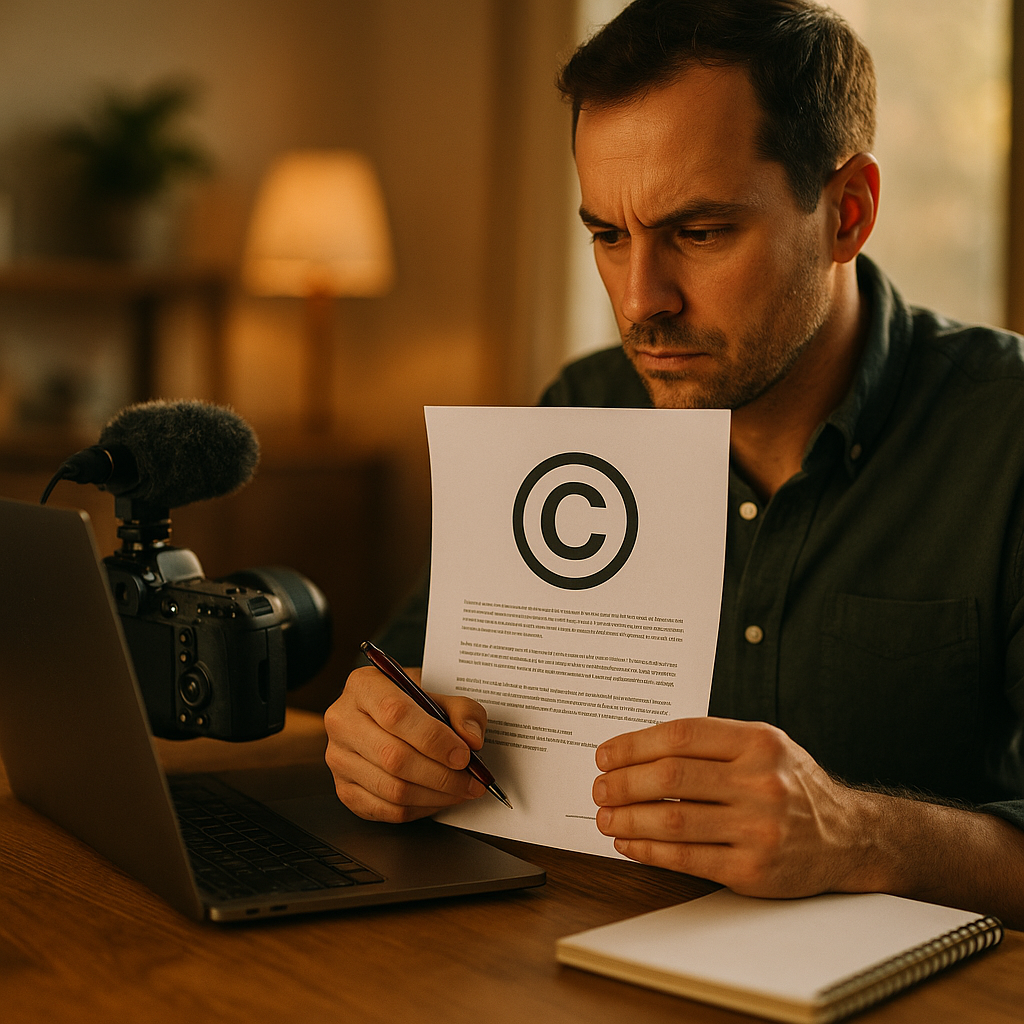
Sponsored content is a widely adopted marketing strategy, but handling copyright strikes on sponsored content can pose significant challenges for brands and creators. Strikes can jeopardize campaigns, revenue, and reputations. With new copyright enforcement tools emerging in 2025, knowing how to prevent and address strikes is essential—read on to fortify your sponsored content strategy with expert insights.
Understanding Copyright Strikes in Sponsored Content
As the sponsored content market grows, so does scrutiny over copyright compliance. A copyright strike is an official notification—typically from platforms like YouTube, Instagram, or TikTok—indicating unauthorized use of protected material. While platforms aim to protect creators’ rights, a strike on sponsored content can halt earnings, hinder reach, and even result in account suspension.
In 2025, automated detection systems have become faster and more advanced, identifying unlicensed music, images, and video segments instantly. This means even a brief, unintentional use of another party’s intellectual property can trigger swift repercussions against your campaign. For sponsored partners, this elevates the stakes, as your obligations often extend beyond basic due diligence.
Preventive Steps: Copyright Best Practices for Brands and Creators
Preventing copyright strikes is always preferable to resolving them. Both brands and content creators should establish robust workflows centered on copyright clearance before publishing or delivering sponsored content. Here’s how:
- Source Licensed Assets: Always use audio, visuals, and text from reputable libraries that grant commercial rights. Confirm the license matches the platform and usage intent.
- Request Written Permission: If using non-stock assets, contact the copyright holder for written permission specifying commercial use in sponsored content.
- Consult Legal Resources: If unsure, consult your legal team or an intellectual property lawyer. Many organizations now provide quick-turn compliance checks for social media assets.
- Educate Your Team: Regularly train creators, editors, and campaign managers on updates to copyright laws affecting influencer marketing in 2025.
- Leverage Tech Tools: Use advanced copyright detection software to scan content before posting. Leading platforms have expanded these services to creators this year.
A proactive stance fosters trust with sponsors, reduces costly delays, and improves your overall professional reputation.
Steps to Take Immediately After Receiving a Copyright Strike
Receiving a copyright strike on sponsored content can be alarming, but prompt, organized action is vital. As platforms have shortened dispute windows in 2025, timely response matters more than ever. Follow these essential steps to minimize impact on your project and relationship with sponsors:
- Review the Claim: Understand which portion of the content triggered the strike and who issued the claim. Platforms will usually provide timestamps and asset details.
- Notify the Sponsor: Honest, early communication preserves trust. Inform your sponsor or agency contact and share your action plan.
- Pause Promotion: Temporarily halt paid campaigns and organic promotion on affected platforms until the issue is resolved to prevent further violations.
- Remove or Replace Infringing Material: If the claim is valid, edit the content to remove or substitute the offending asset, then re-upload following platform guidelines.
- File a Dispute If Appropriate: If you possess appropriate licensing (or believe the strike is an error), submit a dispute with all supporting documentation. Many platforms now offer expedited reviews for verified business accounts.
- Document Everything: Keep detailed records of all claims, correspondence, and action steps for internal compliance and future learning.
Timely and transparent reactions not only help resolve strikes quickly, but can also safeguard ongoing partnerships and prevent account penalties.
Legal Considerations When Handling Copyright Strikes
Copyright law remains complex, especially when applied to social media and sponsored campaigns. With the rise of international content partnerships in 2025, legal nuances are more important than ever. Here are key legal considerations:
- Jurisdictional Complexity: Sponsored content may reach audiences in various countries, each with different copyright standards. Ensure your licenses and permissions are globally valid for the planned campaign.
- Fair Use and Exceptions: Some assets may qualify for “fair use” or similar exceptions—but these are increasingly limited for commercial, sponsored content. Rely on fair use only with explicit legal advice.
- Contractual Clarity: Contracts with creators and influencers should specify who is responsible if a copyright strike occurs. Shared liability clauses and clear indemnity language are industry standards as of 2025.
- Notice-and-Takedown vs. Automated Blocking: Many platforms now employ automated content ID tools, meaning takedowns may occur before any human review. Awareness of your dispute rights and remedies is necessary.
- Legal Remedies: If a claim is false or abusive, you may have grounds for legal redress under platform policies or national laws. Some creators have successfully pursued claims for wrongful takedown or lost revenue.
Building strong legal foundations in your content operations is not just about preventing issues—it’s also about ensuring rapid, defensible action when they arise.
Communicating with Sponsors and Agencies: Managing Expectations
The repercussions of a copyright strike on sponsored content can ripple through to deadlines, payment terms, and brand relationships. Transparent, proactive communication is vital to maintaining trust and resolving disputes without harming your business interests.
- Immediate Notification: Always alert your sponsor if a claim is received, including a summary of the issue and your planned next steps.
- Set Realistic Timelines: Clearly outline how long resolution may take and flag any delays expected in campaign rollout or reporting.
- Offer Solutions: Suggest viable fixes (such as re-editing, substituting assets, or shifting focus) and convey your readiness to act swiftly.
- Update Regularly: Maintain a steady cadence of updates as the issue progresses, showing continued accountability.
- Document Agreements: If the strike affects milestone payments or deliverable deadlines, update your contract or campaign agreement in writing.
Brands and agencies appreciate prompt, professional communication. This approach can often soften the blow of a copyright hiccup and lay the groundwork for continued collaboration.
Rebuilding and Preventing Future Copyright Strikes
Once a copyright strike has been resolved, it’s time to review your processes and prevent future issues. Recent data from major influencer platforms shows that creators who implement post-incident audits reduce repeat strikes by over 80%—a significant risk reduction for ongoing sponsored work.
- Conduct a Post-Mortem: Analyze the incident to identify gaps in content sourcing, team training, or communication.
- Update Guidelines: Refresh internal guidelines, licensing checklists, and approval workflows based on newfound insights.
- Enhance Training: Schedule regular copyright compliance refreshers for your content and marketing teams. Many platforms offer free or subsidized online certification in 2025.
- Invest in Prevention: Consider technology upgrades, such as platform-integrated copyright screening tools and contract management software.
- Build Relationships with Asset Providers: Partner with reputable stock asset agencies that offer clear, perpetual licensing for sponsored or branded content.
Maintaining a learning mindset ensures your team stays up to date with copyright trends—resulting in smoother, more successful campaigns and fewer disruptions.
FAQs About Copyright Strikes on Sponsored Content
-
What counts as a copyright violation in sponsored content?
Unauthorized use of any copyrighted music, images, video, or text—even accidentally—can trigger a copyright strike. Always verify that assets are legally cleared for commercial use and for the specific social platform.
-
Will a single copyright strike affect my sponsor relationship?
Not necessarily, especially if you act swiftly, communicate openly, and resolve it. Repeat strikes, however, can damage your reputation with brands and agencies.
-
If I have a license, can I dispute a copyright strike?
Yes. Submit proof of licensing or permissions through the platform’s dispute process. Most platforms have introduced faster business review channels in 2025.
-
How long does it take to resolve a copyright strike?
Resolution timelines vary, but most major platforms now aim for business account disputes to be resolved within 5-7 business days, provided documentation is clear and complete.
-
What if I believe the strike is invalid or a mistake?
Use the dispute or appeal channels and provide all documentation. If unsuccessful, consult a qualified intellectual property attorney to assess further recourse.
Handling copyright strikes on sponsored content in 2025 demands vigilance, transparent communication, and up-to-date compliance practices. By acting swiftly, preventing issues through education and technology, and keeping sponsors in the loop, brands and creators can safeguard their campaigns and reputations for long-term success.