


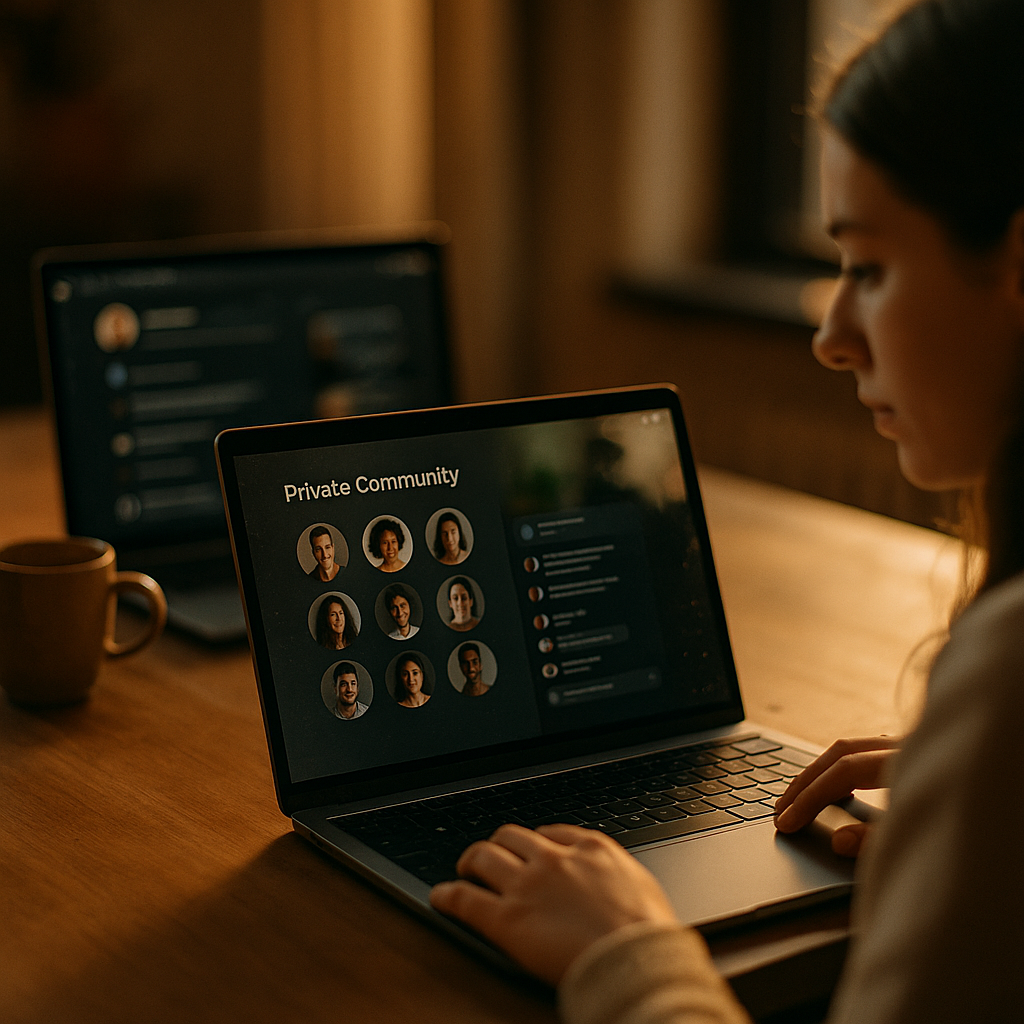
The pivot to private communities and group chats is transforming the digital communication landscape in 2025. Users increasingly seek spaces offering personal connection and authenticity, away from the noise of public platforms. Discover why private online groups now drive engagement, what makes them so appealing, and how your brand or business can thrive in these changing social ecosystems.
The Shift Toward Private Communities: Why Engagement Is Moving Away from Public Platforms
Over the last few years, user behavior has signaled a clear trend: people are leaving large-scale public social feeds for more intimate, private communities and group chats. According to a 2025 survey by GlobalWebIndex, nearly 65% of social media users now prefer interacting in closed groups or direct messages over public channels. These private digital spaces offer a sense of security, belonging, and control over interactions that major platforms struggle to match.
This move is partly in response to rising concerns over privacy and information overload. Social media “burnout,” alongside skepticism about platform algorithms, has left users craving more meaningful connections. In private groups—whether on WhatsApp, Discord, Slack, or niche forums—conversations are more relevant, personal, and less likely to be drowned out by unrelated content or intrusive ads.
Group Chats and Niche Communities: The Rise of Hyper-Targeted Online Spaces
The pivot to group chats and niche communities has empowered individuals to join—or create—spaces centered on shared interests, goals, or identities. Messaging apps now serve as community-building engines, not just one-to-one communication tools. Research from DataReportal in early 2025 finds that participation in invite-only group chats grew 42% year-over-year, as users seek deeper engagement and higher trust among members.
These micro-communities provide:
- Curated content: Each group delivers targeted discussions and content, filtering out the static and misinformation found on mainstream platforms.
- Higher trust: Invited members or clearly defined rules foster a sense of psychological safety, encouraging open dialogue and sharing.
- Efficient feedback loops: For professionals and hobbyists alike, group chats create a reliable sounding board for peer insight and advice.
This hyper-targeted environment leads to higher retention and richer engagement metrics than traditional public feeds.
Privacy and Data Security: Key Drivers of the Private Community Movement
As privacy concerns intensify, private communities and group chats have become havens for those wary of data misuse. The proliferation of end-to-end encrypted messaging platforms illustrates rising consumer demands for control over their digital footprints. According to a 2025 Pew Research Center study, 78% of respondents cited privacy as the dominant reason for joining private online groups.
These more controlled environments allow members to:
- Decide who has access to group content
- Minimize exposure to trolls, spam, or surveillance
- Share sensitive information or ideas with a trusted circle
By providing a secure space for open exchange, private communities build loyalty and trust—key pillars for long-term digital engagement today.
Brands and Creators: Adapting to the New Community-Driven Ecosystem
The pivot to private communities and group chats poses both challenges and opportunities for brands and creators. Traditional social media marketing strategies—optimized for reach and virality—must evolve. Now, the focus shifts toward facilitating meaningful dialogue and offering exclusive value within smaller, more committed audiences.
Ways brands are succeeding in 2025 include:
- Building branded communities: From fitness coaches to SaaS companies, leading voices are cultivating paid or invite-only groups where customers interact, learn, and share progress.
- Leveraging ambassadors and moderators: Passionate users help maintain group culture and contribute authentic content, driving organic engagement and peer-to-peer trust.
- Offering value-driven exclusives: Early product launches, expert AMAs, and private webinars reward loyal group members and foster brand advocacy.
Brands must emphasize authenticity, transparency, and respect for privacy to succeed within private communities—building true relationships over mere exposure.
Monetization and Value Exchange: How Private Groups Unlock New Revenue Streams
Private communities and group chats are powering innovative monetization models in 2025. Unlike traditional advertising-heavy social media experiences, these groups offer subscription access, tiered memberships, or tokenized rewards for active participation. Creators and niche experts can now earn directly from their community without intermediaries diluting the value exchange.
- Subscription-based memberships: Platforms like Patreon, Circle, and Discord Communities enable gated, recurring revenue streams in exchange for premium resources or events.
- Digital products and exclusive content: Community hosts frequently launch micro-courses, templates, or downloadable guides tailored for members.
- Member-driven funding: Fans support groups through tipping, crowdfunding, or purchasing digital collectibles—cementing a sense of co-ownership.
This decentralized revenue strategy allows for independent, passion-driven work while incentivizing creators to maintain group health and member satisfaction.
Best Practices: Building and Sustaining Thriving Private Communities in 2025
For those looking to pivot to private communities successfully, a strategic approach is critical. Community management in 2025 prioritizes experience, dynamics, and clear value delivery. Key best practices include:
- Define a clear purpose and values: Articulate what unites members and the unique advantages of your group.
- Set guidelines and foster inclusivity: Transparent rules and active moderation build psychological safety and engagement.
- Prioritize member contributions: Elevate voices from within; spotlighting user-generated content, questions, and feedback creates ownership.
- Leverage data responsibly: Use group analytics to serve members’ evolving needs—always respecting privacy and consent.
- Iterate and adapt: Solicit regular feedback, test new formats, and keep your approach flexible as digital landscapes shift.
Communities that center user experience and authentic value grow organically, fostering deep brand loyalty or peer connection.
In summary, the pivot to private communities and group chats represents a fundamental reimagining of online interaction in 2025. By focusing on trust, privacy, and meaningful engagement, digital spaces can deliver more satisfaction to both individuals and brands. The future belongs to those who embrace connection over noise.
FAQs
-
Why are people leaving public social media for private communities?
Most users cite concerns over privacy, information overload, and the desire for genuine connection. Private groups provide curated, personalized conversations in a secure environment. -
Which platforms are most popular for private communities in 2025?
WhatsApp, Discord, Slack, Geneva, Circle, and Telegram are among the leading platforms, each offering unique tools and experiences tailored for different community needs. -
Can brands and businesses benefit from group chats?
Yes. By creating branded, value-driven communities, brands foster loyalty, gain direct customer feedback, and unlock new sources of revenue and advocacy. -
How can private groups ensure member privacy?
Use platforms with end-to-end encryption, set clear privacy guidelines, and limit group access to invited or approved members only. -
Are there risks to running or joining private online communities?
Risks include insularity or echo chambers, moderation challenges, and potential misinformation. Strong leadership and transparent guidelines help mitigate these issues.