


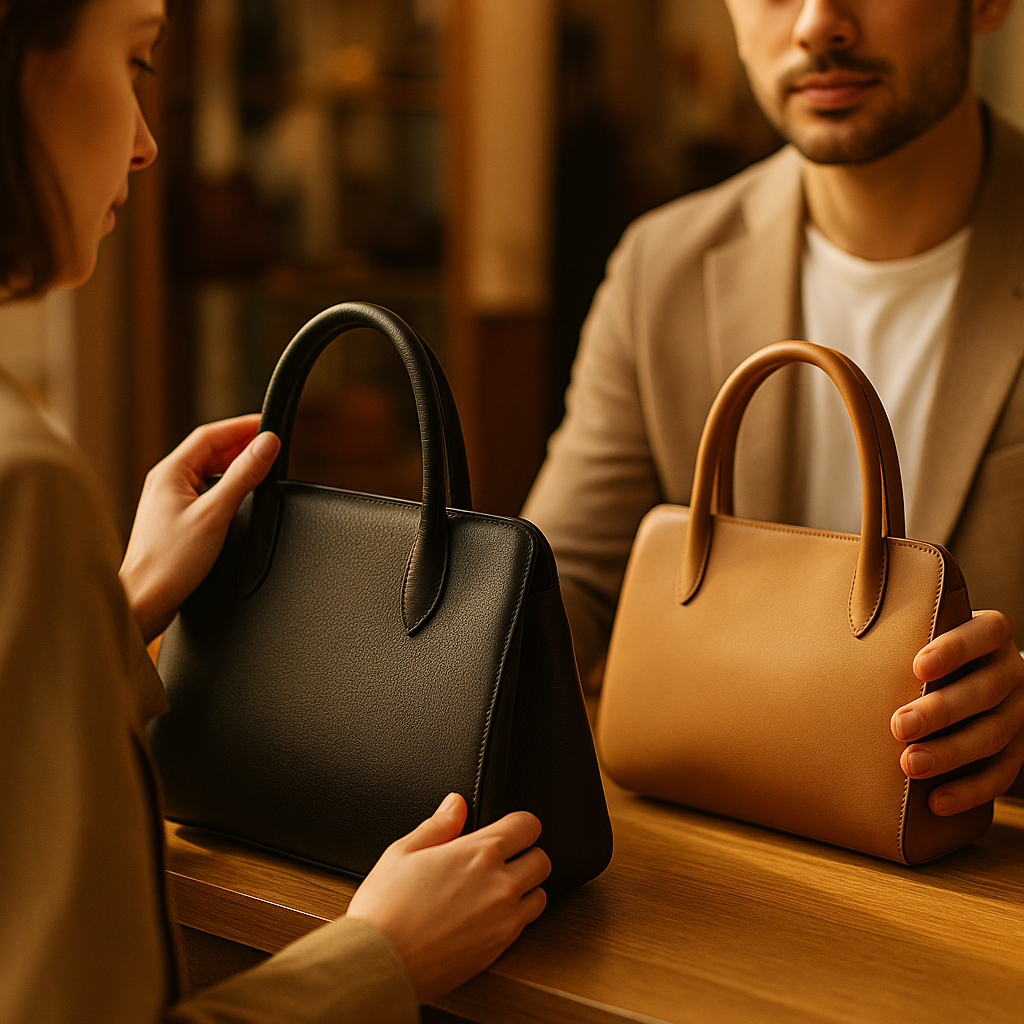
In 2026, luxury branding is shifting from loud recognition to subtle distinction. The quiet marketing movement reflects a deeper change in how affluent buyers judge value, taste, and trust. Logos no longer need to dominate a visual for a brand to feel prestigious. Instead, restraint itself signals confidence, craftsmanship, and cultural relevance. Why are so many luxury visuals going silent?
What Quiet Luxury Branding Means in 2026
Quiet luxury branding is the strategic choice to communicate exclusivity without obvious status markers. In visual terms, that often means reducing or removing logos, limiting graphic noise, and relying on material quality, composition, color, and styling to create desire.
This approach is not simply an aesthetic trend. It reflects changing consumer behavior. High-income and aspirational audiences increasingly value discernment over display. They want products and experiences that feel elevated because of design integrity, not because a logo is repeated across every surface.
For marketers, this matters because luxury buyers have become more visually literate. They notice cut, finish, typography, lighting, silhouette, and context. A plain garment in a refined setting can communicate more than a heavily branded campaign asset. The same applies to jewelry, hospitality, beauty, automotive, and premium tech.
Quiet luxury branding also aligns with broader market pressures. Social feeds are crowded. Consumers scroll quickly. Over-branded visuals can feel overly commercial, while understated imagery can create pause and signal confidence. When a brand does not need to shout, it often appears more powerful.
That does not mean logos are obsolete. It means logos are becoming more selective tools. The strongest luxury brands know when to foreground a mark and when to let product, story, and atmosphere carry the message.
Why Logo-Free Luxury Visuals Are Gaining Ground
Logo-free luxury visuals are gaining traction because they support a more sophisticated form of brand recognition. Instead of relying on direct identification, brands build memory through repeated visual codes: a signature palette, a distinct photographic mood, a recognizable silhouette, or a consistent editorial world.
There are several reasons this works in 2026:
- Status signaling has evolved. For many buyers, visible logos now suggest mass recognition rather than insider taste.
- Digital audiences reward subtlety. Minimal visuals often feel more premium in social, e-commerce, and campaign environments.
- Counterfeit concerns persist. Less logo dependence can help shift value from imitation-prone branding to harder-to-copy design cues.
- Global tastes vary. Understated visuals travel well across markets where overt branding may not carry the same prestige.
- Luxury is becoming more experience-led. Service, craft, provenance, and feeling matter as much as visible marks.
Removing logos from luxury visuals can also sharpen attention. Without a large brand mark competing for the eye, the viewer notices texture, tailoring, shape, and environment. This creates a slower, more intentional reading of the image, which is exactly what many premium brands want.
Importantly, this strategy works best when the brand already has clear identity assets. If a company removes logos without building other recognition signals, visuals may look elegant but generic. Quiet marketing is not the absence of branding. It is disciplined branding.
How Minimalist Luxury Marketing Builds Brand Equity
Minimalist luxury marketing builds brand equity by making every visual element work harder. When obvious branding is reduced, the brand must express itself through curation, consistency, and quality. This can strengthen long-term recognition in a way that feels more durable than logo repetition alone.
Consider how luxury perception is formed. Consumers ask questions, even if only subconsciously: Does this feel intentional? Is the product confident enough to stand on its own? Does the image suggest rarity, care, and control? Minimalist luxury marketing answers yes through restraint.
Brand equity grows when audiences can identify a brand without needing to see its name immediately. That level of recognition indicates maturity. It means the brand owns a visual language. In practice, that language may include:
- Consistent art direction across campaigns, site imagery, paid media, and retail assets
- Distinctive materials and close-up product photography that emphasize tactile quality
- Signature casting and styling choices that signal a specific world and customer mindset
- Controlled typography and spacing that create visual calm
- Location and set design that suggest privacy, rarity, and cultural taste
This approach also supports stronger pricing power. When a product appears desirable without relying on logo amplification, it feels less commodity-driven. That can reinforce perceptions of craftsmanship and justify premium positioning.
From an EEAT perspective, credibility matters here. Luxury buyers are not only purchasing an object; they are buying the authority behind it. Brands that explain material sourcing, design philosophy, craftsmanship standards, and creative process build trust. Quiet visuals perform even better when supported by detailed product pages, transparent brand storytelling, and expert-led content that proves quality claims.
When Removing Logos Helps or Hurts Premium Brand Strategy
Premium brand strategy should guide any decision to reduce logo visibility. Removing logos can elevate perception, but it is not universally right. The question is not whether logos are good or bad. The question is whether their presence supports the brand’s current business goal.
Removing logos tends to help when:
- The brand has established recognition and does not need immediate identification in every asset
- The product has strong design features that can carry the visual story
- The campaign aims to emphasize craft, heritage, exclusivity, or experience
- The target audience values subtle status markers over overt display
- The media placement allows for slower attention and richer storytelling
It can hurt when:
- The brand is emerging and still needs broad awareness
- The product category is highly competitive and visually similar
- The visual system lacks distinctive non-logo assets
- Performance campaigns require immediate brand recognition
- The audience strongly associates value with visible marks
This is why luxury marketers should avoid turning quiet marketing into dogma. Some collections, regions, or channels may still benefit from logo visibility. For example, a heritage house might use no logo in an editorial campaign but retain subtle marks in retail, packaging, or video end frames.
A practical solution is tiered visibility. Keep logos minimal in hero visuals, but integrate them where they improve attribution and conversion. This preserves elegance while maintaining commercial clarity. The best premium brand strategy balances aspiration with recognizability.
Best Practices for Subtle Brand Identity in Luxury Campaigns
Subtle brand identity is effective only when it is intentional, consistent, and measurable. Brands removing logos from luxury visuals should replace them with stronger distinctive assets, not empty minimalism. The following practices help teams execute well.
- Audit current recognition signals. Identify which elements audiences already associate with the brand beyond the logo. This might include stitching, hardware, palette, set design, or tone of voice.
- Define a visual codebook. Document the exact cues that should appear consistently across campaigns. Include photography style, lighting, model direction, framing, and product detail priorities.
- Prioritize product truth. In luxury, close inspection matters. Show materials honestly. Avoid over-editing that weakens trust.
- Match creative to channel intent. Organic social, print, e-commerce, paid display, and in-store visuals do not need identical logo treatment.
- Support visuals with credible content. Add expert interviews, maker stories, provenance details, and care guidance to deepen authority.
- Test recognition, not just aesthetics. Measure whether viewers remember the brand after exposure to low-logo or no-logo creative.
Brand teams should also align creative and performance goals early. A beautifully understated image can strengthen brand prestige, but if it fails to drive attribution in paid channels, it may need supporting identifiers. Testing can resolve this tension. Compare logo-heavy and logo-light variants by lift in recall, consideration, click-through quality, and assisted conversions.
Another best practice is to think beyond static imagery. Quiet marketing can extend into packaging, website UX, retail spaces, and customer service language. If a campaign feels restrained but the shopping experience feels generic, the strategy loses coherence. Luxury is cumulative. Every touchpoint should support the same impression of calm confidence and precise control.
The Future of Luxury Visual Storytelling Beyond the Logo
Luxury visual storytelling is moving toward richer sensory and emotional cues that make logos less central. As audiences become harder to impress with obvious branding alone, brands will compete through atmosphere, intimacy, and proof of substance.
Expect several developments to shape this shift in 2026 and beyond:
- More detail-led storytelling. Macro shots, process imagery, and material narratives will carry more of the brand message.
- Higher standards for consistency. If logos recede, every other visual signal must become more disciplined.
- Greater reliance on community recognition. Brand fluency among loyal customers becomes an asset. Insiders recognize the codes; outsiders feel the allure.
- Stronger integration of editorial and commerce. Luxury visuals will increasingly blur campaign image, content story, and product page credibility.
- Selective logo resurgence. Some brands will bring back marks in limited, strategic ways once restraint itself becomes widespread.
The brands that succeed will be the ones that understand the difference between silence and emptiness. Silence is controlled. It directs attention. It implies confidence. Emptiness is vague and forgettable. Removing logos from luxury visuals only works when the brand has enough identity, authority, and craft to hold attention without them.
That is the core lesson of the quiet marketing movement. Luxury no longer depends on being instantly obvious. It depends on being unmistakably itself.
FAQs on the Quiet Marketing Movement
What is the quiet marketing movement?
The quiet marketing movement is a branding approach that favors subtle, refined communication over overt promotion. In luxury, it often includes minimal logos, restrained design, and greater emphasis on craftsmanship, mood, and distinctive visual identity.
Why are luxury brands removing logos from visuals?
Many luxury brands are reducing logo visibility to signal confidence, exclusivity, and sophistication. This helps shift attention from brand marks to product quality, design details, and lifestyle storytelling.
Does removing logos weaken brand recognition?
Not if the brand has strong distinctive assets. Recognition can come from color, silhouette, materials, photography style, typography, and consistent art direction. Without these assets, logo removal can make a brand feel generic.
Is quiet luxury branding right for every premium brand?
No. Newer or less recognizable brands may still need visible logos to build awareness. Quiet branding works best when a company already has some recognition and a clearly defined visual language.
How can brands test whether logo-free visuals work?
Use brand lift studies, recall surveys, A/B creative tests, and assisted conversion analysis. Measure not only clicks, but also recognition, consideration, and quality of engagement after exposure.
What should replace the logo in luxury campaigns?
Replace logo emphasis with stronger visual codes: premium materials, close-up detail shots, signature styling, controlled color palettes, distinctive settings, and clear storytelling about craft and provenance.
Can quiet marketing still drive sales?
Yes, especially when paired with strong product information, credible brand storytelling, and smart channel strategy. Quiet visuals can elevate perception, while supporting touchpoints such as product pages and retargeting assets can handle attribution and conversion.
Is the quiet marketing movement just a trend?
It is more than a short-term look. It reflects a broader shift in consumer values toward discernment, authenticity, and design integrity. Even if visual styles evolve, the demand for more thoughtful and less obvious luxury communication is likely to remain.
Luxury marketing in 2026 rewards brands that understand restraint as a strategic choice, not a decorative trend. Removing logos from luxury visuals can strengthen exclusivity, sharpen brand codes, and elevate perception when backed by clear identity and real product quality. The takeaway is simple: if a brand can be recognized without shouting, it has built something far more valuable than visibility alone.