


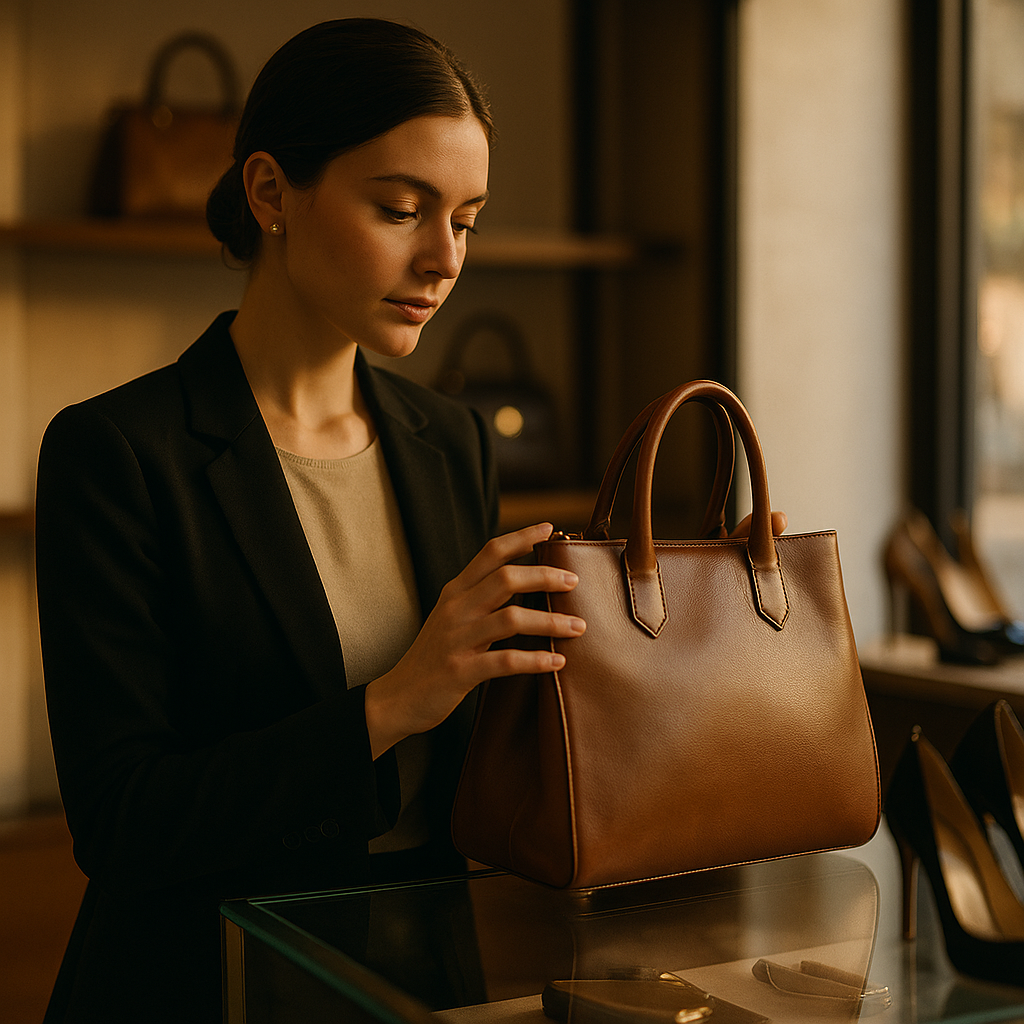
In 2026, quiet marketing movement strategies are reshaping how luxury brands signal value, trust, and exclusivity. Instead of oversized insignias, many premium labels now rely on craftsmanship, silhouette, materials, and controlled scarcity to communicate status. This shift is not simply aesthetic. It reflects changing consumer psychology, platform behavior, and cultural taste. What happens when the logo disappears?
Why quiet luxury marketing is gaining ground
The rise of quiet luxury marketing is rooted in a basic truth: affluent consumers do not always want to broadcast wealth in obvious ways. In many markets, they prefer discretion, quality, and products that reward close attention rather than instant recognition. Removing logos from luxury visuals fits this preference because it lets the object, not the branding, carry the message.
This approach has gained traction for several reasons. First, social platforms have matured. Audiences scroll quickly and often view brand-heavy creative as less sophisticated or too sales-driven. Clean, understated visuals can feel more editorial and more credible. Second, luxury buyers have become highly informed. They research materials, construction, sourcing, resale value, and longevity. They do not need a giant emblem to understand what makes a product expensive.
Third, cultural taste has shifted. In fashion, jewelry, travel, beauty, and interiors, subtle signals now often outperform loud visual branding among premium audiences. A precise cut, a rare fabric, a distinctive clasp, or a recognizable palette can function as a stronger brand code than a visible logo. The consumer still recognizes the house, but through design literacy rather than obvious labeling.
For marketers, this means the visual strategy must work harder. If the logo is reduced or removed, every other element needs to communicate value with precision:
- Texture that implies quality even on a phone screen
- Lighting that highlights material integrity
- Composition that creates restraint rather than clutter
- Casting and styling that align with the brand’s world
- Copy that supports confidence without overexplaining
This is not anti-branding. It is branding through discipline.
Removing logos from luxury visuals without losing brand identity
One of the biggest concerns brands have is simple: if the logo disappears, will people still know it is us? The answer depends on whether the brand has built a complete identity system or relied too heavily on the mark itself. Strong luxury brands are recognizable through multiple signals, not just a logo placement.
To remove logos from luxury visuals successfully, brands need a framework of distinctive assets. These may include signature colors, recurring angles, product details, type choices, packaging cues, store design references, and a consistent emotional tone. When these elements are aligned, recognition remains intact.
Consider what happens in a well-executed luxury campaign image with no visible logo. The viewer may still identify the brand through:
- A familiar hardware finish or stitching pattern
- A known silhouette or shape language
- A specific photographic treatment
- A recurring balance of negative space and product focus
- A brand-specific mood, such as intellectual minimalism or sensual warmth
This is where experience matters. In practice, removing logos works best when the creative team audits the full visual system before launching. Ask:
- Which visual cues are unmistakably ours?
- Can those cues be recognized on social, on-site, in print, and in video?
- Do our products have enough design distinction to stand alone?
- Will existing customers recognize us without the logo?
- Will new audiences understand the premium positioning?
Brands that cannot answer these questions often discover that the logo was compensating for weak differentiation. That is useful insight. It shows where product design, art direction, and storytelling need attention before a quieter strategy can succeed.
Another key point: removal does not have to be absolute. Some brands use a tiered system. Hero campaign imagery may omit logos entirely, while product pages, packaging, and selected close-ups retain discreet branding. This preserves recognition at key conversion moments without sacrificing the restrained aesthetic.
Luxury brand storytelling in a logo-light era
When logos recede, luxury brand storytelling becomes more important. Without overt signals, the audience needs other reasons to care, remember, and trust. The strongest stories in 2026 do not rely on inflated heritage claims or vague words like timeless and iconic. They show proof.
Helpful, high-quality content follows EEAT principles by demonstrating experience, expertise, authority, and trustworthiness. For luxury brands, that means grounding storytelling in tangible evidence:
- Experience: Show the making process, atelier workflow, fittings, material selection, or testing standards
- Expertise: Explain why a fabric, stone, finish, or manufacturing method matters
- Authority: Present credible creative direction, respected collaborations, and category knowledge
- Trustworthiness: Be transparent about sourcing, pricing logic, care instructions, and product longevity
A logo-light visual strategy works especially well when paired with rich contextual storytelling. For example, a campaign image of a handbag without visible branding becomes more compelling when supported by content about the leather grade, construction time, hardware engineering, and repair program. The status signal shifts from obvious labeling to verified quality.
This also answers a frequent follow-up question: does quiet luxury marketing reduce aspiration? Not if it is executed well. Aspiration does not come only from being seen. It also comes from belonging to a more informed circle, understanding finer details, and choosing objects with staying power. Quiet luxury invites the consumer to feel discerning, not just visible.
Brands should also adjust tone. If the visual language is subtle, the copy should not become loud to compensate. Avoid exaggerated claims. Use precise language, concrete details, and controlled confidence. That balance builds credibility and reflects the restraint the imagery suggests.
Consumer perception and the psychology of logo-free branding
Logo-free branding changes how people process luxury. A visible logo creates instant brand recognition, but it can also trigger assumptions about status signaling, trend dependence, or conspicuous consumption. A logo-free image often slows the viewer down. It asks for attention and rewards discernment.
That psychological effect matters because luxury is partly about social meaning. Historically, logos acted as shorthand for access, price, and identity. Today, many high-value consumers are comfortable with more coded forms of recognition. They want products that communicate taste to those who know, without feeling obvious to everyone else.
This does not mean all customers want the same thing. Market segmentation remains critical. Some buyers still prefer visible branding, especially in categories where logos are tied to collectability, travel retail, gifting, or aspirational entry products. Others move toward quieter signals as their income, confidence, or fashion literacy increases.
From a marketing perspective, this creates a practical strategy question: should every campaign remove logos? Usually, no. The more effective route is audience-led creative variation. A brand might test:
- Editorial social assets with no visible logo
- Performance ads with subtle but present brand cues
- Product detail pages with close-up branded hardware
- In-store displays that emphasize tactile materials over signage
Another common question is whether logo removal hurts memorability. It can if the rest of the creative is generic. Minimalism is not enough. The image still needs tension, point of view, and distinctive structure. The best quiet visuals are not empty. They are selective. They know what to withhold and what to reveal.
Brands should also watch for a risk few discuss: when every luxury label adopts soft neutrals, clean lines, and logo-free photography, sameness increases. Quiet can quickly become bland. To avoid this, brands need a sharper creative signature. That may come from casting, motion language, architecture, color accents, or category-specific rituals shown in a fresh way.
Minimalist luxury advertising across digital channels
Minimalist luxury advertising performs differently depending on channel, format, and intent. A logo-light image that feels powerful in print may struggle in a crowded mobile feed if the product shape and brand codes are not instantly legible. This is why channel-specific adaptation matters.
On social media, restraint can work well because it contrasts with louder, cluttered content. But the first second still matters. The image or video needs a clear focal point, excellent framing, and enough visual identity to stop the scroll. Motion can help by revealing craftsmanship details, opening mechanisms, drape, or texture in ways static imagery cannot.
On websites, logo-free hero images often elevate premium perception, especially when paired with clean navigation, strong product photography, and concise copy. Yet commerce pages need balance. Shoppers still want practical reassurance. Include close-ups, dimensions, material notes, care guidance, shipping details, and service policies. Luxury buyers value beauty, but they also expect certainty.
In email, quiet visuals can increase sophistication if the layout remains purposeful. A single strong image, one message, and a clear call to action often outperform busy grids for premium launches. In paid media, however, testing is essential. Campaigns aimed at prospecting may require more explicit brand linkage than campaigns aimed at existing customers.
For marketers building or refining this strategy, a useful process looks like this:
- Audit assets: Identify the visual codes that signal your brand without a logo
- Map audiences: Separate established customers from new prospects
- Define channel roles: Decide where subtlety helps and where clarity must lead
- Test creatively: Compare logo-free, logo-light, and logo-forward variants
- Measure deeply: Track not only clicks, but branded search lift, save rates, return visits, and conversion quality
This last point is important for EEAT and helpful content standards. Advice should be grounded in real performance questions, not just aesthetics. The right approach depends on evidence. Luxury marketers should study how visuals influence attention, engagement, average order value, and customer lifetime value across segments.
Brand differentiation strategies for the quiet marketing movement
The quiet marketing movement is not about disappearing. It is about expressing confidence without overstatement. For that to work, brands need strong differentiation strategies that survive even when the logo is minimized.
Start with the product. If the item itself lacks a distinct point of view, no amount of restrained art direction will make it feel truly luxurious. Shape, proportion, tactility, engineering, and finishing are the first level of branding. Marketing can amplify those qualities, but it cannot invent them.
Next, build a recognizable sensory world. Think beyond the image. What words define the brand voice? What sounds shape the video language? What environments support the product? What service details reinforce the same values after purchase? Quiet luxury fails when the campaign says subtle sophistication but the customer journey feels generic or inconsistent.
Then focus on proof-based prestige. In 2026, consumers are better at spotting surface-level positioning. If a brand wants to remove logos from luxury visuals, it should replace that obvious cue with stronger evidence of worth. Useful signals include:
- Detailed craftsmanship narratives
- Repair, restoration, or care services
- Limited production logic that feels credible, not manufactured
- Transparent quality markers and material standards
- Consistent creative direction over time
Finally, protect recognizability. A quiet strategy should make the brand more refined, not less identifiable. The most successful brands create an ecosystem of cues so distinct that the absence of a logo becomes part of the appeal. The audience recognizes the brand because it has earned recognition through design, quality, and coherence.
That is the central lesson of this movement. Removing logos is not the goal. Building a brand strong enough to need them less is the goal.
FAQs about logo removal in luxury marketing
Does removing logos make a luxury brand less recognizable?
Not if the brand has strong distinctive assets such as silhouette, materials, color palette, art direction, and product details. Recognition falls only when the logo was doing most of the identity work.
Is the quiet marketing movement right for every luxury brand?
No. It works best for brands with clear design codes, high product quality, and audiences that value discretion. Labels targeting logo-seeking aspirational buyers may need a more balanced approach.
Will logo-free visuals hurt sales performance?
They can if used without testing. For awareness and editorial positioning, they often strengthen premium perception. For conversion-focused placements, subtle branding may perform better than full removal. Channel and audience matter.
How can a brand maintain trust without visible logos?
Use EEAT-based content. Show craftsmanship, explain materials, provide transparent service details, and keep the customer journey polished from ad to product page to post-purchase support.
What are the biggest mistakes brands make with quiet luxury marketing?
The most common errors are confusing minimalism with originality, removing logos before building stronger brand codes, and using vague copy that makes premium claims without evidence.
Should luxury brands eliminate logos completely?
Usually not. A mixed system is more practical. Use logo-free or logo-light creative for storytelling and image building, while keeping discreet branding in product detail moments, packaging, or selected campaign assets.
How do you measure success for a logo-light strategy?
Look beyond immediate clicks. Track engagement quality, branded search growth, save and share rates, repeat visits, average order value, and conversion performance across customer segments.
The quiet marketing movement reflects a deeper change in luxury communication. Brands are learning that status can be signaled through design integrity, storytelling, and disciplined visual systems rather than obvious marks. Removing logos from luxury visuals works when recognition, trust, and product distinction remain strong. The takeaway is clear: reduce the logo only after you strengthen everything else around it.