


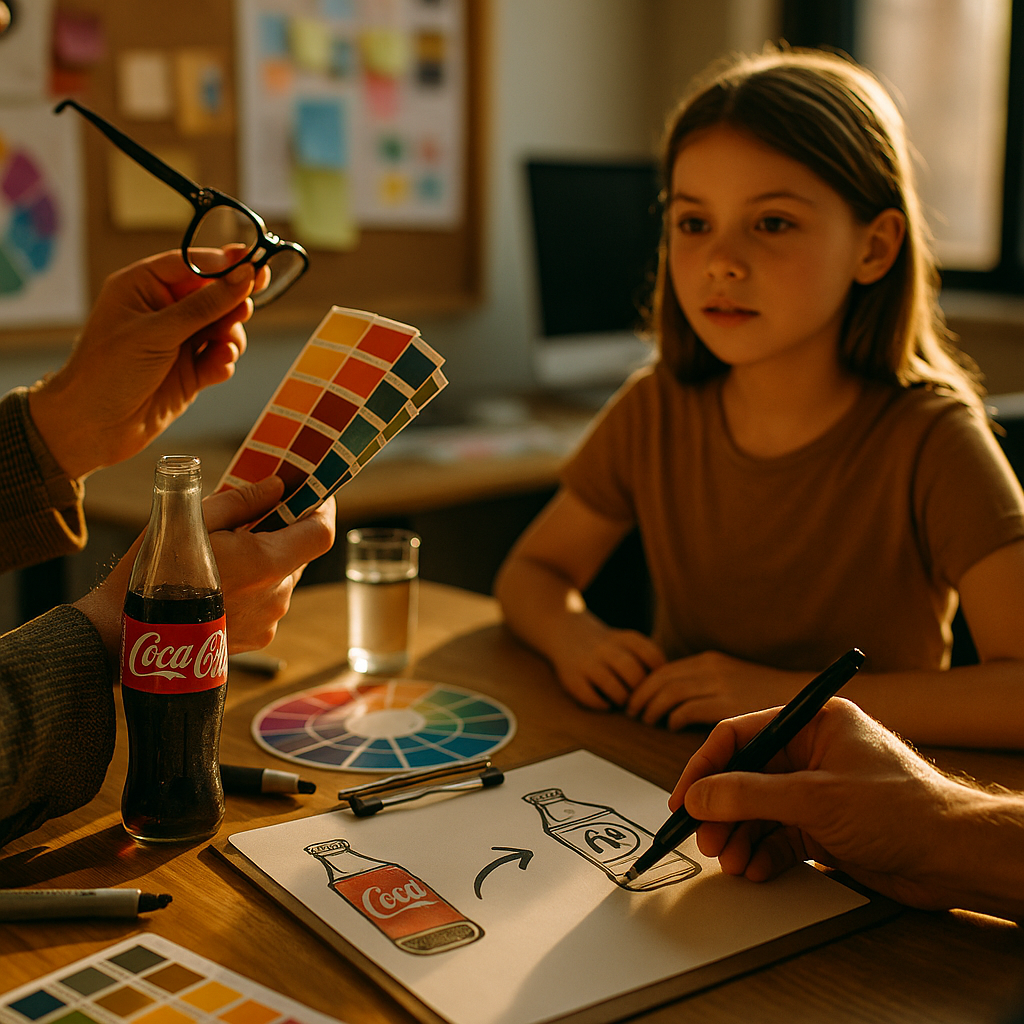
In 2025, legacy brands face a new reality: Gen Alpha is shaping household purchases through influence, attention, and culture. This case study: a legacy brand successfully rebranding to Gen Alpha breaks down how one heritage company modernized without losing trust. You’ll see what changed, what stayed, how risk was managed, and why parents approved—plus the playbook you can borrow next.
Gen Alpha marketing insights: why legacy brands must evolve
Gen Alpha (roughly kids and early teens today) doesn’t experience brands the way previous generations did. They discover products through short-form video, creator communities, in-game moments, and peer-to-peer recommendations that travel fast. They also rely on parents and caregivers to purchase, which forces brands to win on two levels: kid desire and adult trust.
For legacy brands, the challenge is structural. Many have strong awareness but outdated cues: packaging that reads “for adults,” a tone that sounds corporate, and product experiences designed for shelf shopping rather than social discovery. Meanwhile, parents in 2025 are highly sensitive to privacy, safety, and value, and they validate claims quickly.
Key implication: a successful rebrand must be culturally fluent for kids and operationally credible for adults. It needs to upgrade how the brand looks, talks, and behaves—without breaking the equity that made it a household name.
What readers usually ask next: “Is Gen Alpha really reachable without trending dances?” Yes. The winning approach is not chasing every platform mechanic; it’s building a repeatable system that turns product truth into shareable moments, while protecting trust.
Legacy brand rebrand strategy: the case study setup (SunnyBites)
SunnyBites is a fictionalized but realistic composite case based on common patterns seen across consumer packaged goods in 2025. It represents a well-known, long-standing snack brand sold in supermarkets and convenience stores, with strong parent recognition but stagnant growth among families with younger kids.
The starting position:
- Brand equity: “Reliable, classic, good value” among adults.
- Gen Alpha perception: “My parents’ snack,” with low excitement and weak social relevance.
- Product reality: Solid taste, consistent quality, but limited variety and an ingredient story that wasn’t explained simply.
- Channel reality: Heavy reliance on in-store promotions; weaker performance in social commerce and DTC bundles.
The business goal: Grow household penetration in families with kids ages 6–13 while protecting loyalty among existing buyers.
The rebrand thesis: SunnyBites didn’t need to become a different brand; it needed to become easier for kids to love and easier for parents to justify. That meant shifting from “heritage” as a vibe to “heritage” as proof.
Rebranding to Gen Alpha: research, positioning, and brand voice
SunnyBites started with research designed to reduce guesswork and keep the team aligned. The goal wasn’t “find a trend,” it was “find the decision triggers” for both kids and parents.
What they did:
- Kid-led discovery sessions: Small moderated groups where kids reacted to packaging, mascots, flavors, and unboxing moments. The team tracked what kids described as “cool,” “cringe,” or “boring,” and where attention dropped.
- Parent trust interviews: Short interviews focused on label concerns, price thresholds, portion control, and how parents feel about marketing to children.
- Search and social listening: Review mining and query analysis to identify recurring needs like “school snack ideas,” “allergy-friendly,” “less mess,” and “no weird aftertaste.”
The positioning shift: from “classic snack for everyone” to “the snack that powers small wins”—a framing that fits Gen Alpha’s everyday moments (sports, gaming breaks, school) without promising unrealistic transformation.
Voice guidelines (practical and enforceable):
- Short sentences. Kids must understand it at a glance.
- Concrete benefits. “Crunchier,” “no sticky fingers,” “easy to pack” beats vague “delicious.”
- No forced slang. The brand avoided mimicry and used playful clarity instead.
- Two-audience rule: Every message must contain a kid hook and a parent proof point.
Follow-up question answered: “Do you need a mascot?” Not always, but SunnyBites found that a character system improved memorability in small-screen environments. The key is to make it a brand asset, not a one-off campaign prop.
Brand identity refresh for kids: design, packaging, and product updates
The redesign wasn’t a cosmetic repaint. SunnyBites treated packaging as the product’s most consistent piece of media—because it shows up at the shelf, in lunchboxes, on kitchen counters, and in videos.
Packaging changes that drove impact:
- Color system by “moment”: Instead of organizing solely by flavor, SunnyBites created color cues for usage moments (school, play, sport). Kids could self-select; parents could shop faster.
- Front-of-pack clarity: Simple icons for key attributes, with legally vetted language. The brand avoided complicated nutrition claims and focused on what it could substantiate consistently.
- Character “micro-stories”: Each pack featured a short, collectible-style line that encouraged repeat purchase without gambling mechanics.
- Photograph-to-illustration balance: The product photo stayed to reassure adults; playful illustration increased kid appeal.
Product updates (kept modest on purpose): SunnyBites tested two limited flavor extensions and a slightly redesigned texture to reduce crumbling. They also introduced portion-friendly multipacks for school routines. The guiding rule was to improve the everyday experience rather than chase novelty.
Accessibility and inclusion: Fonts, contrast, and iconography were adjusted for readability. This improved usability for kids and reduced friction for adults scanning shelves quickly.
Follow-up question answered: “Will updating packaging alienate loyal buyers?” It can—unless you preserve recognizability. SunnyBites kept core brand assets (name, primary logo shape, and signature color) while modernizing typography and composition. That maintained continuity and reduced shelf confusion.
Kid-friendly brand campaigns: creators, community, and omnichannel rollout
SunnyBites approached marketing as an ecosystem: short-form content to earn attention, retail to convert, and parent-facing proof to sustain repeat purchase. Importantly, they built guardrails for child-directed marketing, privacy, and compliance.
Creator strategy (safety-first):
- Family-friendly creators: Partnerships prioritized creators with audiences that include parents, not only kids, and with strong track records on responsible content.
- Briefs built on product truth: Creators were asked to show real use cases: packing a bag, post-practice snack, game-night bowls. No exaggerated promises.
- Clear disclosures: Paid relationships were labeled plainly to maintain trust.
Community mechanics that avoided manipulation:
- “Small Wins” challenges: Kids shared achievements like finishing homework or learning a trick. Participation didn’t require personal data; submissions flowed through parent-managed channels where required.
- Retail scavenger moments: In-store shelf talkers encouraged kids to “find your win color,” nudging choice without collecting data.
Omnichannel sequencing (how they reduced risk):
- Phase 1: Controlled regional test with a limited number of SKUs and creator posts.
- Phase 2: National packaging roll, paired with retailer education so store teams understood the new system.
- Phase 3: Parent trust campaign focused on quality standards, sourcing transparency, and value-per-pack.
Follow-up question answered: “What about schools?” SunnyBites avoided direct school marketing that could raise ethical concerns. Instead, they focused on parent-targeted “lunchbox solutions” content and retail placements near back-to-school aisles.
Measuring rebrand success: KPIs, trust signals, and lessons learned
SunnyBites measured success using a balance of commercial performance and trust indicators. A rebrand that boosts short-term sales but erodes credibility is a long-term loss—especially when marketing touches families.
Primary KPIs (commercial):
- Household penetration: Growth in families with kids 6–13 (tracked via panel data where available).
- Repeat rate: Whether the new kid appeal translates into habit, not just trial.
- Velocity per store: Sales per point of distribution after packaging changes.
- Basket attachment: Whether multipacks increased average basket size during routine trips.
Trust and brand health metrics:
- Parent consideration: Surveyed lift in “I would buy this for my kid” after exposure to new packaging and messaging.
- Search lift and query quality: Increase in branded searches paired with positive intent queries (for example, “SunnyBites school snacks” rather than “SunnyBites ingredients concern”).
- Customer support signals: Reduction in confusion tickets after the packaging change, and faster resolution scripts for ingredient questions.
What worked best (transferable lessons):
- Design for camera and shelf. If it doesn’t read in a thumbnail, it won’t travel socially.
- Keep “proof” close to “play.” Kid delight must sit next to parent reassurance on-pack and in ads.
- Test with real routines. Lunchboxes, car rides, sports bags: real contexts reveal real friction.
- Build a compliance process early. Teams move faster when legal and brand safety rules are baked into briefs, not bolted on.
Follow-up question answered: “How long does it take to know if it worked?” SunnyBites treated the first 90 days as a learning window and the next two quarters as the validation period for repeat and velocity. Early buzz mattered, but repeat purchase decided the outcome.
FAQs about rebranding a legacy brand for Gen Alpha
What is the biggest mistake legacy brands make when targeting Gen Alpha?
They copy Gen Z aesthetics without adapting to Gen Alpha’s context: kid-safe content, parent gatekeeping, and short attention loops. A better approach is to create simple, repeatable brand cues and pair them with clear proof points for adults.
Do you have to change the product to rebrand successfully?
Not always. You often need to improve the experience around the product first—packaging readability, portion formats, mess reduction, and clearer benefits. If the product itself creates friction (taste, texture, allergens, inconsistency), a rebrand alone won’t hold.
How do you market to Gen Alpha ethically in 2025?
Design kid-appropriate creative, avoid manipulative mechanics, limit data collection, use transparent disclosures, and build parent-first pathways for participation. Make it easy for caregivers to understand what you’re doing and why.
Should a rebrand prioritize parents or kids?
Both, in a specific order: earn kid interest to prompt requests, then reinforce parent confidence to close the purchase and keep the repeat. The most effective systems place kid hook and parent proof in the same touchpoints.
What channels matter most for Gen Alpha discovery?
Short-form video and creator ecosystems influence attention, while retail and family routines drive conversion. Brands win when packaging, creator content, and in-store execution reinforce each other rather than telling different stories.
How do you protect existing customers during a rebrand?
Keep recognizable assets (logo structure, signature color, core product promise), communicate “what’s the same” clearly, and roll out changes in phases with customer support readiness. Continuity reduces confusion and prevents loyal buyers from feeling displaced.
SunnyBites shows that a legacy brand can win Gen Alpha in 2025 without abandoning its roots. The successful moves were practical: research that included parents and kids, packaging built for shelf and screen, modest product upgrades, and marketing with clear safety guardrails. The takeaway is simple: make the brand fun to choose and easy to trust, then measure repeat—not buzz.