


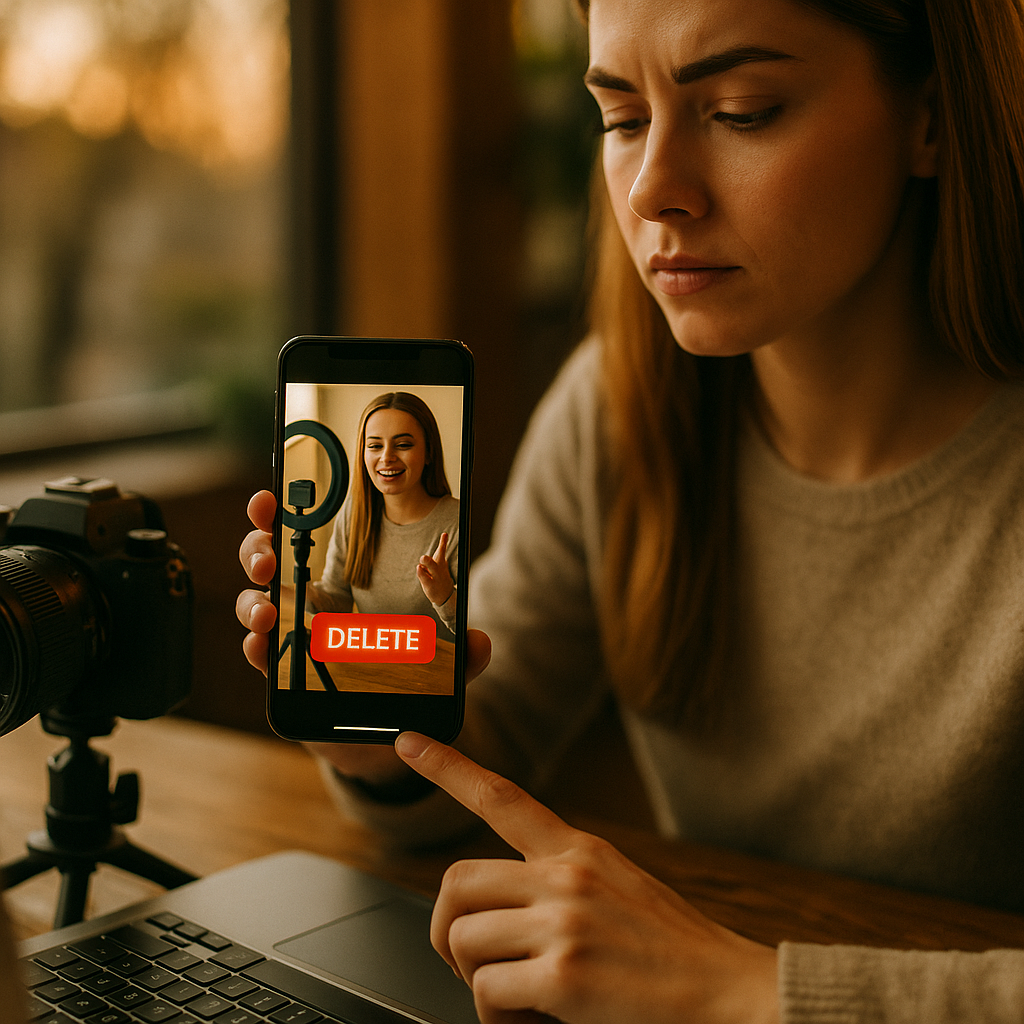
Influencer content rarely stays in one place. Clips get reposted, archived, indexed, and resurfaced years later—sometimes long after the original context disappears. In 2025, creators, agencies, and platforms face increasing pressure to respond to Right To Be Forgotten requests without breaking compliance rules or damaging trust. This guide shows how to triage requests, update archives, and reduce risk—before the next takedown demand lands.
Right to be forgotten compliance: what it means for influencer archives
The “right to be forgotten” generally refers to a person’s ability to request removal or de-indexing of personal information that is outdated, irrelevant, excessive, or unlawfully processed. In practice, the rules vary by jurisdiction and by the role you play: platform, publisher, brand, talent manager, or individual influencer.
Influencer archives make this challenging because they often blend personal data (names, faces, locations, relationships, health references) with editorial speech and commercial speech. A single post can touch multiple legal bases: consent, contract, legitimate interests, or legal obligation.
To navigate requests responsibly, separate three different outcomes that people often conflate:
- Deletion: removing the content from your systems and controlled channels.
- De-indexing: removing a link from search results (typically handled by search engines, not you).
- Suppression: limiting visibility (age gates, unlisting, geoblocking, noindex tags, or restricting access).
A compliant workflow recognizes that you may be able to delete from your channels but not from third-party reposts. It also recognizes that some content may need to remain available for legal defense, accounting, or public-interest reasons, even if it is no longer promoted.
Influencer content takedown process: a practical intake and triage workflow
A reliable takedown process reduces legal risk and protects your reputation. Aim for a workflow that is fast, documented, and consistent—without promising outcomes you cannot control.
1) Intake: collect the minimum needed details
- Requester identity and relationship to the content (subject, guardian, authorized agent).
- Exact URLs, platform handles, post IDs, timestamps, and screenshots.
- What personal data is involved (name, face, address, phone, workplace, school, medical info).
- Why removal is requested (inaccuracy, safety risk, harassment, outdated context, consent withdrawn).
- Preferred remedy (delete, blur, edit, unlist, correct, add context).
2) Verify identity and authority
Confirm you are speaking with the data subject or a properly authorized representative. If the request involves a minor, verify guardianship or legal authority. Keep verification proportional: avoid collecting extra sensitive documents when a lighter method works.
3) Classify the content and your role
- Owned channels (influencer accounts, brand channels, newsletters, websites).
- Controlled distribution (paid ads, whitelisting, creator licensing portals).
- Third-party republication (fan reposts, aggregator sites, reaction channels).
Your obligations and options differ across these buckets. You can act quickly on owned and controlled channels; for third-party republication, you may need to support the requester with evidence and links for their own submissions.
4) Evaluate lawful basis and balancing factors
Document which legal basis you relied on when publishing and whether it still holds. Then assess whether continued availability is justified. Common factors include: public interest, newsworthiness, public figure status, severity of harm, time elapsed, accuracy, and whether the content reveals sensitive personal data.
5) Decide, implement, and confirm
Give a clear written outcome: approved, partially approved (e.g., edits), or denied with reasons and escalation options. Record what you changed, when, and where. Provide a realistic explanation of what you cannot control (e.g., third-party reposts and cached copies).
Data privacy for creators: handling personal data, consent, and sensitive content
Influencer archives often contain more personal data than teams realize: background addresses in vlogs, children’s school logos, health disclosures, live location metadata, and casual mentions of third parties. Strong privacy practices make right-to-be-forgotten requests easier to handle and less frequent.
Consent is not a shield if the context changes
Creators frequently rely on informal consent (“sure, tag me”) that is difficult to prove later. In 2025, a safer approach is to build lightweight documentation into your production workflow, especially when featuring non-public figures. For recurring characters (partners, employees, friends), keep a simple release process and a way to track withdrawals.
Prioritize sensitive data categories
If content includes health information, precise location history, minors, or anything that increases safety risk, treat it as high priority. Even if you believe the post is defensible, the harm profile can justify edits such as:
- Blurring faces, house numbers, license plates, or documents.
- Removing audio that contains phone numbers or workplace details.
- Replacing a clip with a version that reduces identifiability.
- Adding context where the original post could be misleading.
Respect contractual and platform constraints
Brand deals, music licenses, and platform monetization features may limit what you can edit without re-clearance. When that happens, consider “suppress then remediate”: unlist the video, pause paid distribution, and publish a corrected version after permissions are updated.
Build a retention and access policy for archives
EEAT-aligned teams can explain what they keep and why. Set defined retention periods for raw footage, drafts, and unused takes—especially when they include third parties. Limit internal access and log who exports assets. Many conflicts begin when an old hard drive becomes an “unofficial archive” outside governance.
Influencer reputation management: balancing removal requests with public interest
Right-to-be-forgotten requests often sit at the intersection of privacy and accountability. Followers may expect transparency, while requesters may be trying to reduce harassment, correct misinformation, or move past an old mistake. A defensible decision process protects both people and brands.
Use a structured balancing test
Create a checklist that your team can apply consistently:
- Accuracy: Is the content true, current, and supported by evidence?
- Relevance: Does it still serve a legitimate purpose, or is it outdated?
- Proportionality: Is the exposure excessive compared to the purpose?
- Harm: Is there a credible safety, employment, or harassment risk?
- Status: Is the subject a private individual, employee, or public figure?
- Context: Would adding context or correction reduce harm without erasing history?
Choose the least intrusive effective remedy
Deletion is not always necessary. Often, you can meet the goal with an edit, a clarification, or limiting distribution. This approach helps preserve legitimate speech while reducing unnecessary harm.
Communicate with care
When content is removed or altered, audiences may notice. Avoid defensive statements and avoid “calling out” the requester. If you need to acknowledge a change, keep it factual: what changed and why (privacy, safety, accuracy), without amplifying the personal data you just tried to reduce.
Protect your audit trail
Reputation disputes frequently escalate. Keep an internal record of the original asset, the decision rationale, and the final version. Store it securely with restricted access, because archives can contain sensitive material that should not be re-shared casually.
GDPR and influencer marketing: roles, responsibilities, and cross-border issues
Influencer marketing commonly involves multiple parties processing personal data: brands, agencies, creators, platforms, analytics vendors, and affiliate networks. Right-to-be-forgotten requests become complicated when no one is sure who “owns” the data or the publication decision.
Clarify who is the controller for each use
In many campaigns, the influencer controls their channel content, while the brand controls campaign targeting data and customer lists. Agencies may act as processors or joint controllers depending on their decision-making authority. Map these roles before problems arise.
Contract for removal cooperation
Your influencer agreements should include a practical clause for privacy-related removals:
- Who receives requests and how quickly they must respond.
- Which party can approve edits or deletions for sponsored posts.
- How to handle whitelisted ads, repurposed content, and paid amplification.
- What records must be kept for compliance and legal defense.
Handle cross-border friction realistically
Creators operate globally; privacy rights and defamation standards differ. If a requester cites rights from a region different from your operational base, do not dismiss it automatically. Instead, assess where the content is targeted, where the parties are located, and which entity controls the publication. If you cannot determine the applicable obligations quickly, escalate to privacy counsel and offer interim mitigation, such as pausing paid distribution or restricting visibility in affected regions.
Don’t confuse RTBF with platform copyright tools
Some teams try to route privacy complaints through copyright or impersonation channels because the tools are easier. That can backfire if the report is inaccurate. Use the correct privacy pathway whenever personal data is the real issue.
Digital content removal strategy: preventing repeat requests and fixing the archive
The best time to manage right-to-be-forgotten risk is before content becomes “archive content.” Build durable systems that reduce exposure and streamline corrections.
Create an archive governance checklist
- Maintain a searchable content register: where each asset is published, repurposed, and advertised.
- Tag posts that include third parties, minors, or sensitive topics for faster review later.
- Store releases and consent records linked to the asset ID.
- Track versions (original, edited, re-upload) and ensure old versions are not publicly accessible.
Use technical controls that support privacy outcomes
- Where appropriate, apply noindex to pages you control that contain personal data not meant for search.
- Unlist or restrict older videos that create recurring harm but must be retained internally.
- Remove or sanitize metadata in downloadable assets and press kits.
- Update thumbnails and captions that reveal personal details even when the main content is edited.
Prepare a response kit for third-party reposts
Even if you act quickly on your own channels, reposts can keep the issue alive. Maintain templates and evidence packets that help the data subject submit requests to other publishers and platforms. Include original URLs, proof of identity process steps, and a clear description of the personal data at issue.
Train your team on “privacy by production”
Editors and social managers should know what commonly triggers removal requests: accidental doxxing, filming in sensitive locations, featuring bystanders, and joking references that become harassment magnets. Simple practices—like checking backgrounds and avoiding precise real-time location sharing—reduce future takedown conflicts.
FAQs
Is the right to be forgotten the same as deleting a post?
No. It can involve deletion, editing, suppression, or de-indexing depending on your control over the content and the applicable law. Search engines typically handle de-indexing; publishers handle deletion or edits on their own channels.
What if the influencer archive includes sponsored content that a brand approved?
Use the contract and campaign governance to determine who can authorize changes. In urgent privacy or safety situations, pause amplification immediately, then coordinate an edit or removal with the brand and agency. Document the rationale and the steps taken.
Can I deny a request if the content is true?
Yes, sometimes. Truth alone is not always decisive; relevance, proportionality, harm, and public interest matter. However, if the content is accurate and serves a clear public-interest or accountability purpose, you may have strong grounds to keep it available, potentially with added context.
How should I handle requests involving minors?
Treat them as high priority. Verify the requester’s authority, act quickly to reduce exposure, and prefer the least risky remedy (often removal or strong suppression). Also review your archive for other content that could identify the minor indirectly.
What if the content is reposted by fan accounts or aggregator sites?
You cannot always remove third-party copies directly, but you can support the requester by providing URLs, confirming original publication, and using platform reporting tools where appropriate. Also remove your own reposts, stitched clips, and paid ads that keep driving traffic to the copies.
Should I keep a copy of removed content for legal reasons?
Often, yes. Keep a secure, access-controlled copy for compliance, dispute resolution, and legal defense, and document why you retained it. Retain only what is necessary and limit who can access it.
Influencer archives demand a careful blend of privacy discipline, editorial judgment, and operational speed. In 2025, the safest approach is a documented workflow: verify identity, classify your control over distribution, apply a consistent balancing test, and implement the least intrusive remedy that reduces harm. Keep an audit trail, update contracts, and govern archives proactively. Do this well, and requests become manageable instead of disruptive.