


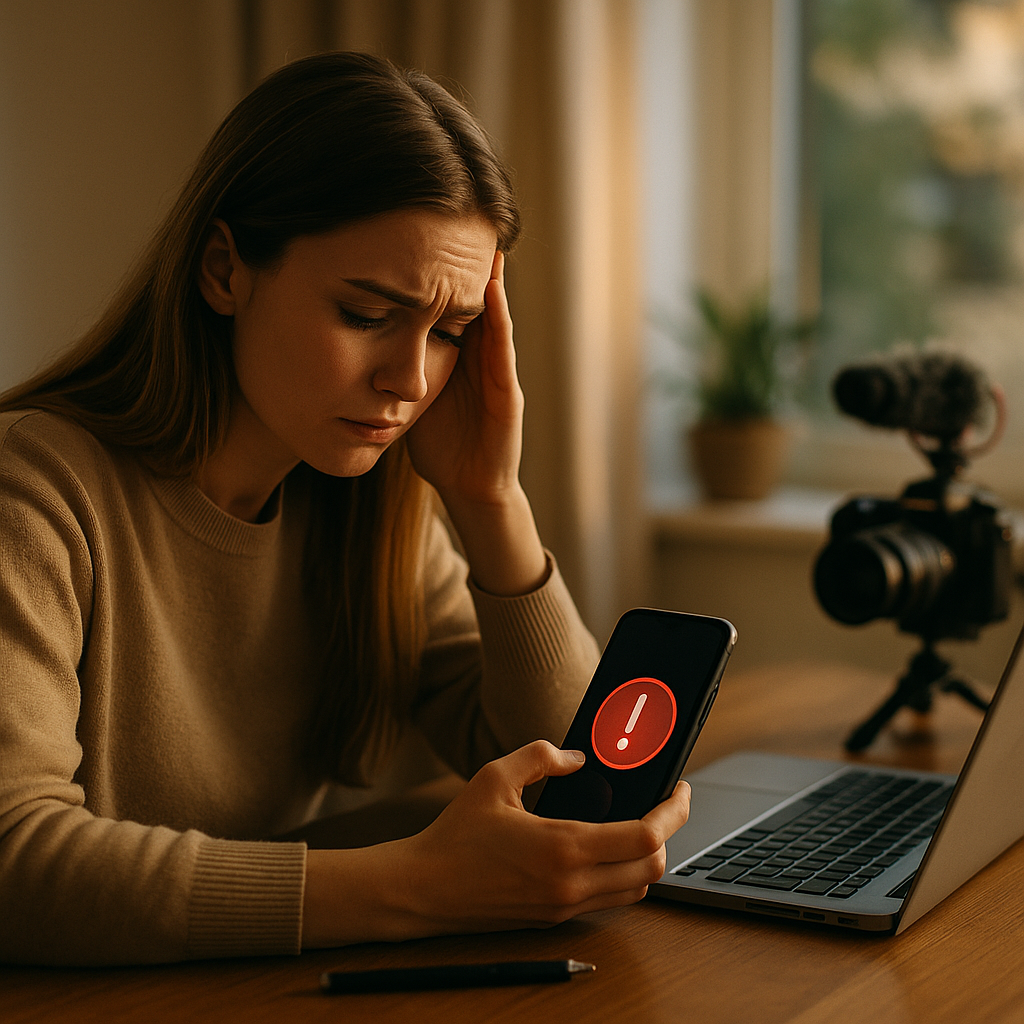
Knowing how to safeguard reputation during influencer crises is critical in today’s digital world. One misstep by a brand partner can escalate quickly, impacting brand trust and long-term value. Learn proven EEAT-backed strategies to minimize fallout, rebuild confidence, and future-proof your influencer collaborations—because your brand’s reputation is worth protecting at all costs.
Understanding Influencer Crisis Management
Influencer crisis management refers to the structured approach brands take when an affiliated influencer faces public backlash or controversy. Such incidents can range from insensitive remarks to personal misconduct or even legal troubles. In 2025, with more consumers demanding authenticity and accountability, how your brand navigates these situations can either preserve or damage your hard-earned reputation.
An influencer crisis is not only about the individual; it’s about your brand’s values and response. The effectiveness of your strategy hinges on transparent communication, documented protocols, and responsiveness to the fast-paced digital landscape. To truly safeguard reputation during influencer crises, brands must embrace a proactive, rather than reactive, mindset.
Implementing Robust Crisis Response Protocols
Having established crisis response protocols can mean the difference between a fleeting controversy and a reputation-damaging incident. Start by creating a crisis preparedness plan addressing:
- Clear escalation chains: Specify who responds, how, and in what order.
- Pre-vetted messaging: Prepare adaptable statements for likely scenarios, emphasizing empathy and accountability.
- Social listening: Employ real-time monitoring tools to identify issues before they trend.
- Influencer vetting checkpoints: Regularly review current partner content and histories to assess risk.
Test your protocols annually, adjusting for new platforms or emerging influencer trends. According to a 2024 Kantar study, brands with documented crisis plans respond 60% faster, reducing reputational harm significantly.
Maintaining Transparency and Consistent Communication
When an influencer crisis erupts, your credibility depends on transparent crisis communication. Consumers—especially Gen Z and Millennials—expect brands to address missteps openly, avoiding evasive “no comment” responses that can escalate backlash.
Best practices include:
- Issuing timely statements: Address the issue quickly, confirming awareness and promising further updates as facts unfold.
- Consistent messaging across channels: Align public posts, press releases, and customer support communications for clarity.
- Acknowledging impact: Demonstrate empathy towards those affected, including your audience and communities involved.
- Updating as you know more: Provide regular progress updates to reinforce accountability and keep the narrative controlled.
Avoid defensive or dismissive language. Research from the Global PR Trust Barometer in 2025 shows brands that display empathy and timely transparency recover public trust up to twice as fast after influencer incidents.
Evaluating Influencer Partnerships with Enhanced Due Diligence
Thorough influencer vetting and monitoring is essential in a high-stakes landscape. Reputational risk from influencer collaborations has prompted leading brands to integrate advanced screening processes. Here’s how to refine your approach:
- Background checks: Go beyond follower numbers; review influencers’ prior posts, public statements, and news mentions for red flags.
- Values alignment audits: Ensure influencers’ personal brands and behaviors align with your corporate values and policies.
- Contractual clauses: Include clear terms for crisis scenarios, outlining expectations, termination rights, and public behavior guidelines.
Re-evaluate partners regularly, not just at onboarding. Today’s digital footprints are dynamic—continuous auditing is critical for safeguarding your brand’s reputation during influencer crises.
Leveraging Social Listening for Early Detection
Real-time social media monitoring acts as an early warning system, helping brands spot influencer controversies before they spiral. Advanced tools using AI can:
- Track brand and influencer mentions in real time
- Analyze sentiment shifts among key audiences
- Detect emerging negative narratives or coordinated attacks
- Identify opportunities for rapid response or clarification
Proactive social listening in 2025 enables brands to respond more effectively, minimize emotional reactions, and deploy crisis protocols before issues trend. According to a recent Meltwater report, brands that invest in social listening reduce average crisis recovery time by 40%.
Rebuilding Trust Post-Crisis: Long-Term Brand Repair
Even the best-managed influencer crises can leave reputational scars. Rebuilding public trust and repairing relationships requires ongoing effort. Post-crisis, brands should:
- Engage stakeholders directly: Host community forums or Q&As for concerned customers or partners.
- Share lessons learned: Demonstrate commitment to improvement by transparently updating crisis management policies.
- Showcase values-led initiatives: Highlight positive impact projects or partnerships that reaffirm your brand’s core values.
- Monitor sentiment over time: Track audience perceptions to measure recovery and adapt outreach as needed.
Trust is rebuilt through consistent, values-driven actions. Brands that show tangible improvements post-crisis stand a stronger chance of regaining loyalty, according to a 2025 Brand Recovery Insights survey.
FAQs: How To Safeguard Reputation During Influencer Crises
-
What is the first step in responding to an influencer crisis?
Act quickly by convening your crisis management team. Gather facts, assess the situation, and develop a transparent initial statement to address stakeholders. Speed and honesty prevent misinformation from taking hold.
-
How should brands vet influencers to minimize risk?
Implement rigorous background checks, review past content for potential red flags, and ensure ongoing monitoring throughout the partnership. Include contractual clauses covering expected behaviors and crisis responses.
-
Can a brand recover from a major influencer scandal?
Yes, brands frequently recover by addressing the issue transparently, engaging with affected communities, implementing corrective actions, and demonstrating long-term improvements that align with their stated values.
-
What are the legal considerations in influencer crisis management?
Ensure all contracts specify rights to terminate and guidelines for both parties’ conduct during a crisis. Consult legal counsel before making public statements involving potential liability or sensitive legal aspects.
-
How important is ongoing monitoring after a crisis?
Post-crisis monitoring is vital; it measures public sentiment shifts, identifies lingering concerns, and informs necessary ongoing communications. This feedback loop helps ensure sustainable trust recovery.
Proactively safeguarding reputation during influencer crises demands preparation, transparent communication, and steadfast values. Brands that invest in robust prevention and recovery strategies are best positioned for trust, loyalty, and resilience in an unpredictable influencer landscape. Preparation today ensures your brand weathers storms with credibility intact.