


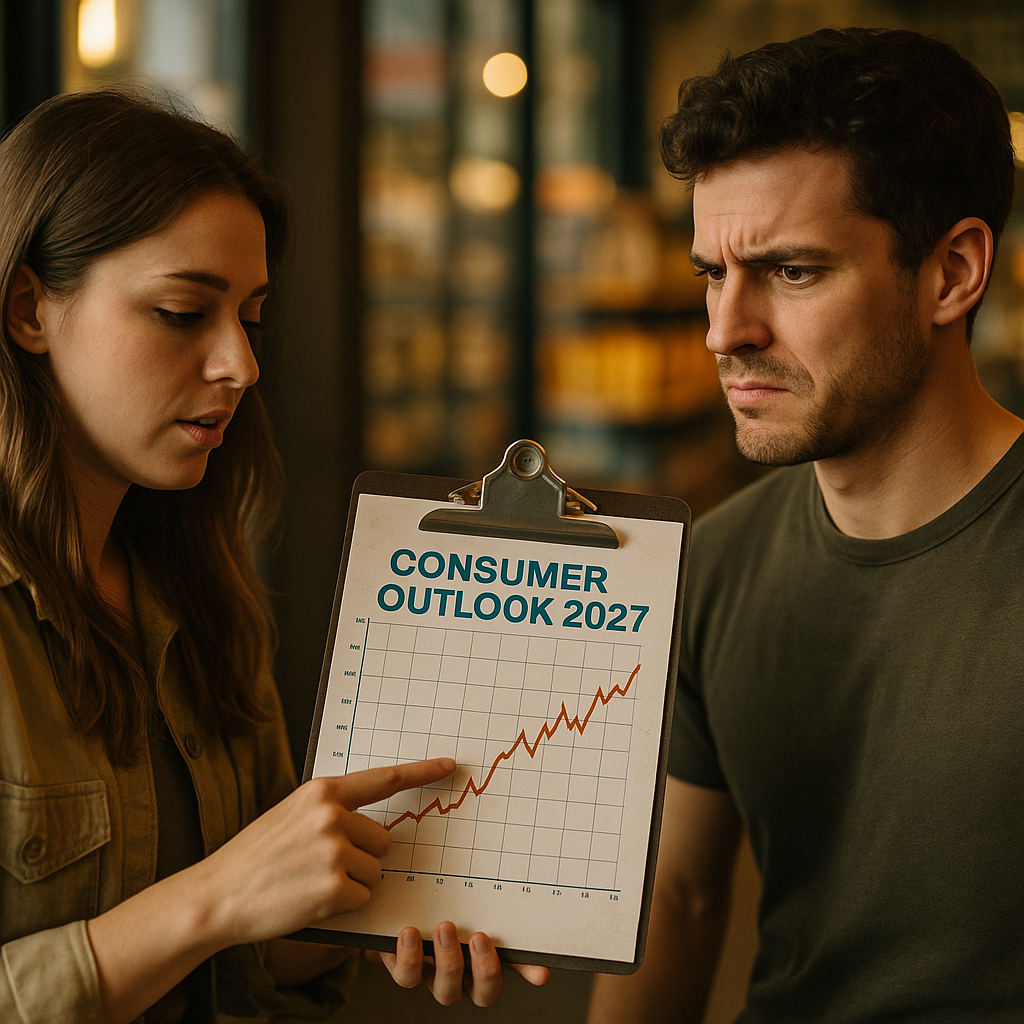
In 2025, many shoppers feel pulled between hope and hesitation, creating what analysts call skeptical optimism in 2027 consumer sentiment. People still want to spend on what matters, but they demand proof, value, and control. This shift is changing how brands earn trust, how households plan, and how “good news” lands. The question is simple: who will adapt fastest?
Why skeptical optimism is reshaping consumer sentiment in 2027
Skeptical optimism describes a practical mindset: consumers expect progress, but they assume friction. They believe solutions exist—better products, smarter services, improved personal finances—while also anticipating hidden costs, confusing terms, and overpromising marketing. In 2025, this attitude is amplified by information overload and the ease of comparison shopping.
Several forces are pushing this shift:
- Price sensitivity without panic: Many households still buy, but they scrutinize totals, fees, subscriptions, and add-ons before committing.
- Trust as a purchase condition: Buyers increasingly treat unclear policies, missing reviews, or vague claims as deal-breakers.
- Control over uncertainty: Consumers use price trackers, flexible payment options, and generous return policies as “risk management.”
- Selective indulgence: Shoppers cut back in some categories to protect spending that feels worthwhile—health, comfort, convenience, and experiences.
For brands and retailers, the implication is immediate: demand is not disappearing, but tolerance for ambiguity is. If you can reduce perceived risk, you earn the right to optimism—and the sale.
Trust and transparency drive purchase behavior in 2027
In skeptical optimism, trust is the new conversion rate. Consumers increasingly verify before they buy, using third-party reviews, social proof, and policy details to test whether a brand deserves their money and data. This is not cynicism for its own sake; it is rational behavior in a crowded marketplace where claims are easy to publish and hard to prove.
Buyers typically look for:
- Clear pricing: Full cost shown early, including shipping, taxes, and recurring fees.
- Specific product claims: Measurable outcomes, realistic timelines, and limitations stated plainly.
- Return and warranty confidence: Simple language, fair windows, and easy processes.
- Authentic reviews: A mix of positive and critical feedback, with brand responses that solve issues instead of deflecting.
- Privacy clarity: What data is collected, why, and how to opt out.
If your content reads like legal copy or marketing hype, skeptical consumers disengage. Helpful, human explanations—paired with evidence—keep them moving forward. To follow EEAT best practices, show your sources, explain tradeoffs, and avoid absolute promises that buyers can’t verify.
Value-seeking consumers and the new rules of affordability in 2027
Value-seeking consumers are not simply “looking for cheap.” They are looking for justified cost. In skeptical optimism, the affordability conversation changes from “Can I pay for this?” to “Will I regret paying for this?” That subtle difference is why strong brands can still command premium pricing—if they make value easy to understand.
Value now includes:
- Total cost of ownership: Durability, maintenance, replacements, subscriptions, and service fees.
- Time saved: Setup time, learning curve, customer support speed, and delivery reliability.
- Outcome confidence: Proof that a product will perform as expected for the buyer’s use case.
- Flexibility: Pause options, easy plan changes, modular upgrades, and cancellation that doesn’t punish.
Brands can meet this moment by translating features into real-world outcomes. Instead of “battery lasts 12 hours,” add context: “12 hours of video calls or a full workday of mixed use.” Instead of “premium materials,” specify what that means for wear, cleaning, and lifespan.
Readers often ask: Will consumers trade down permanently? Not across the board. Expect “category-by-category trading”: consumers reduce spend where differentiation feels weak, and pay more where the benefit is tangible and provable.
Brand loyalty in 2027 and how credibility is earned
Brand loyalty in 2027 is less about identity and more about reliability. Consumers may still love brands, but they stay loyal when the brand removes friction: predictable quality, responsive support, honest communication, and consistent policies. Skeptical optimism rewards companies that behave the same way after purchase as they do before the checkout.
To build credibility in this environment:
- Make the “fine print” readable: Present key terms upfront in plain language, then link to the detailed policy.
- Prove competence: Offer setup guides, comparison tools, and troubleshooting content that actually solves common issues.
- Handle complaints publicly and professionally: A thoughtful response to a negative review often builds more trust than a perfect rating.
- Show real expertise: Use qualified spokespersons, cite standards, and explain testing methods where relevant.
- Admit limits: Consumers trust “this product is not ideal for X” more than exaggerated universality.
This is where EEAT matters most: demonstrate experience through use-case examples, demonstrate expertise with accurate explanations, demonstrate authoritativeness through reputable references, and demonstrate trust with transparent business practices. Skeptical optimists do not expect perfection; they expect accountability.
Digital trust signals and the role of AI in 2027 shopping habits
Digital trust signals increasingly determine whether a consumer even considers buying. In 2025, shoppers already use comparison engines, marketplaces, and social platforms to triangulate truth. As AI-powered tools become more common in shopping journeys, skeptical optimism makes consumers both more efficient and more cautious.
Expect shoppers to rely on:
- Verification shortcuts: Summary tools that scan reviews and flag repeated issues, return problems, or quality inconsistencies.
- Authenticity checks: Signals that reviews, photos, and influencer partnerships are genuine and disclosed.
- Security cues: Recognizable payment options, clear fraud protection, and visible customer support channels.
- Content quality: Detailed product pages, sizing guidance, ingredient transparency, and accurate images.
Brands should assume that consumers will “cross-examine” claims. That means your site copy, ads, listings, support articles, and third-party profiles must match. Misalignment—such as a generous return promise in ads but strict conditions in policy—breaks trust quickly.
Readers also wonder: Will AI increase skepticism? Yes, if AI produces generic or inconsistent content. But AI can increase optimism when it helps consumers understand options, estimate total costs, and reduce decision fatigue—especially when the brand clearly discloses how AI is used and provides easy human support when needed.
How companies can market to skeptical optimists in 2027 without hype
Marketing to skeptical optimists requires a shift from persuasion to clarification. The goal is to help consumers feel informed, not cornered. When uncertainty is high, the most effective messaging is specific, evidence-based, and easy to verify.
High-performing strategies include:
- Evidence-first messaging: Use certifications, test results, demonstrations, and before/after context with realistic expectations.
- Explain the tradeoffs: If a product is cheaper because it uses simpler materials, say so—and explain what the buyer gains and loses.
- Guarantees that match the product: Offer warranties, trials, or satisfaction policies that reduce risk without hiding exclusions.
- Helpful comparisons: Show which model fits which use case; guide customers away from overspending.
- Service as a differentiator: Make response times, repair options, and replacement parts part of the value proposition.
To apply EEAT in content, publish practical guides written or reviewed by qualified experts, include real customer scenarios, and keep pages updated. If you cite data, cite reputable, recent sources and explain methodology in plain language. Skeptical optimists do not reward volume; they reward clarity.
Finally, align your internal teams. Sales promises must match support capabilities. Policies must match operations. In skeptical optimism, the fastest way to lose a future customer is to win a sale you cannot properly support.
FAQs
What does “skeptical optimism” mean in consumer behavior?
It means consumers believe improvement is possible, but they assume marketing claims may be exaggerated or incomplete. They look for proof, transparency, and risk reduction before purchasing.
Why is trust more important than ever for brands?
Because skeptical consumers verify information across reviews, social platforms, and policy pages. If they spot inconsistencies or hidden costs, they abandon the purchase and often share their experience.
How can a business build credibility quickly?
Show total pricing upfront, write clear return and warranty policies, publish specific product guidance, respond to reviews with solutions, and keep messaging consistent across ads, listings, and support channels.
Will consumers still buy premium products?
Yes, when the premium is justified by clear outcomes, durability, service, or time saved. Skeptical optimism reduces impulse upgrades but supports “worth it” spending when evidence is strong.
What content performs best for skeptical optimists?
Comparison guides, use-case-based recommendations, transparent FAQs, how-to content that solves real problems, and product pages that explain limitations as well as benefits.
How should brands use AI without damaging trust?
Use AI to improve clarity and customer support, disclose AI use when it affects decisions, avoid generic or contradictory copy, and provide easy access to human help for complex issues.
Consumers are entering a phase where confidence and caution coexist, and brands must earn attention with proof, not polish. Skeptical optimism rewards transparent pricing, consistent policies, and practical content that reduces risk. Companies that treat trust as a product feature will see stronger retention and steadier demand. The takeaway: make value easy to verify, and optimism will follow.