


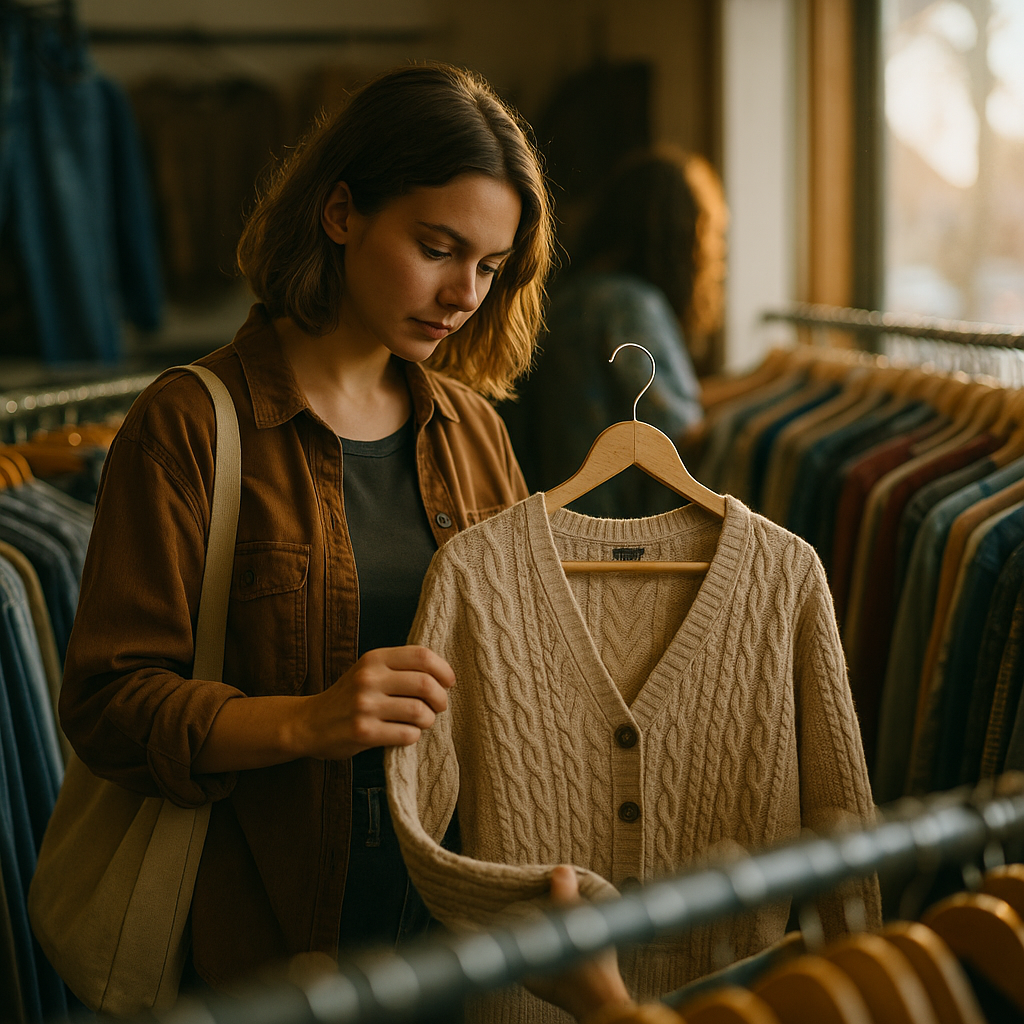
The slow fashion movement encourages conscious consumerism and sustainable choices in the apparel industry. More thrifters and fashion brands are partnering to foster a circular economy while reducing waste. How do these collaborations work, and why are they reshaping the future of fashion? Let’s unravel the impact and possibilities of pairing slow fashion with thrifting.
The Rise of Conscious Consumerism: Why Slow Fashion Resonates
In recent years, more shoppers are demanding transparency, sustainability, and ethical practices from fashion brands. Slow fashion, unlike fast fashion, prioritizes quality, durability, and ethical production. According to a 2025 report by the Global Fashion Institute, 58% of Gen Z shoppers now prefer to buy fewer, longer-lasting garments. This shift is fueling a market where clothing is designed to last, and intentional buying decisions reduce the environmental toll of fashion.
Innovations in fabric sourcing, local craftsmanship, and transparent supply chains are helping brands stand out. Importantly, this new ethic is encouraging partnerships with the thriving secondhand apparel community—especially with dedicated thrifters and online resale platforms. These connections form a bridge between producers and consumers who care about both their wardrobe and the planet.
Partnering With Thrifters: Building a Circular Fashion Economy
The partnership between slow fashion advocates and thrifters harnesses the strengths of both communities. Thrifters are experts in extending the life of garments, often finding high-quality pieces that might otherwise be discarded. By collaborating, brands can:
- Promote responsible apparel cycles: Brands incentivize customers to resell, donate, or exchange clothes instead of discarding them.
- Provide education: Thrifters and influencers share tips on garment care, repair, and upcycling using digital platforms and in-person workshops.
- Start buy-back or trade-in programs: Slow fashion labels can buy back items, refurbish them, and re-sell or donate through thrift channels.
Such initiatives have led to reduced textile waste and saved approximately 1.3 million tons of clothing from landfills globally in 2024, according to Earthwise.
Sustainable Style on a Budget: Accessibility Through Thrift Partnerships
One core criticism of slow fashion—its sometimes higher upfront costs—can be addressed by working with thrifting communities. Thrifting makes durable, ethically-made apparel accessible to more people. Online resale marketplaces like ThredUP and local thrift stores have reported a 40% rise in slow fashion brand listings in 2025, indicating growing demand for high-quality, secondhand goods.
For budget-minded style seekers, these partnerships mean:
- Access to ethically made fashion at lower prices
- Discovery of unique, limited-release, or vintage slow fashion items
- Opportunities to contribute to sustainability efforts through personal shopping habits
This synergy encourages a wider audience to engage with slow fashion values, making sustainable choices the norm rather than the exception.
Education and Community: The Role of Thrifters in Promoting Slow Fashion Values
Thrifters play a powerful role in teaching consumers how to adopt mindful fashion practices. Through social media, events, and educational campaigns, they help demystify what slow fashion really means. Popular thrifters share how to recognize quality craftsmanship, care for garments to extend their lifespan, and make fewer, better choices.
Some common educational initiatives include:
- Garment repair and DIY upcycling workshops
- Sustainable fashion swaps and pop-up markets
- Informative content about fabric care, sourcing, and ethical brands
These efforts foster community and empower local movers and online influencers alike. Ultimately, education builds an informed consumer base that drives industry change.
Economic and Environmental Benefits: Why This Partnership Matters
Partnering with thrifters has tangible benefits for brands, customers, and the environment. First, slow fashion brands tapping into secondhand markets extend their products’ lifecycle, maximizing each item’s value. When thrifters introduce these garments into the resale ecosystem, clothes reach more users and avoid ending up in landfill.
Environmental gains are significant—textile production remains one of the most resource-intensive industries. A 2025 United Nations environmental report found that circular fashion cycles, enabled by thrift collaborations, reduce textile waste by at least 20% compared to conventional methods.
Economically, brands can diversify their business by participating in resale programs. Thrifters, in turn, build side businesses, support local economies, and create job opportunities in the growing secondhand sector. The win-win model fuels both profit and purpose.
Action Steps: How Individuals and Brands Can Join the Slow Fashion Movement
Anyone can be part of this ongoing shift, regardless of budget or geography. To engage with the slow fashion movement through thrifting, consider these action steps:
- Audit your wardrobe: Keep what you love and use, repair what’s broken, and part with the rest responsibly via thrift stores or resale apps.
- Research brands: Favor brands committed to transparency and ethical practices. Look for partnerships with resale platforms or buy-back programs.
- Support local thrifters: Shop secondhand first, follow thrifters online, and attend their events or workshops.
- Share knowledge: If you’re passionate, organize your own clothing swap or teach others about garment care.
- Advocate for change: Encourage your favorite brands to create take-back or repair programs, and highlight thrifting as a key pillar of sustainability.
Everyone’s small choices and advocacy add up to industry-wide transformation.
The slow fashion movement’s partnership with thrifters is shaping a more sustainable, accessible, and inclusive industry. By combining durable design with the power of resale, consumers and brands are building a better future—one outfit at a time.
FAQs: Slow Fashion & Thrifter Partnerships
-
What is the slow fashion movement?
The slow fashion movement is a shift toward ethical, sustainable, and transparent clothing production. It emphasizes quality over quantity, environmental responsibility, and fair labor practices.
-
How do thrifters partner with slow fashion brands?
Thrifters may collaborate with brands through buy-back, resale, or clothing swap programs. These partnerships encourage circular fashion, extend the lifespan of quality garments, and prevent textile waste.
-
Why is thrifting considered sustainable?
Thrifting reduces demand for new clothing production, cuts down on resource use, and diverts garments from landfills. It allows clothing to have more than one life, reducing overall environmental impact.
-
Can thrifting make slow fashion more affordable?
Yes, buying slow fashion brands secondhand or at thrift stores lowers the price point, making ethical and sustainable garments accessible to more consumers without compromising on values.
-
How can I start supporting slow fashion through thrift?
Begin by buying secondhand, donating or selling items you no longer wear, supporting local thrifters, and choosing brands with resale or repair programs.