


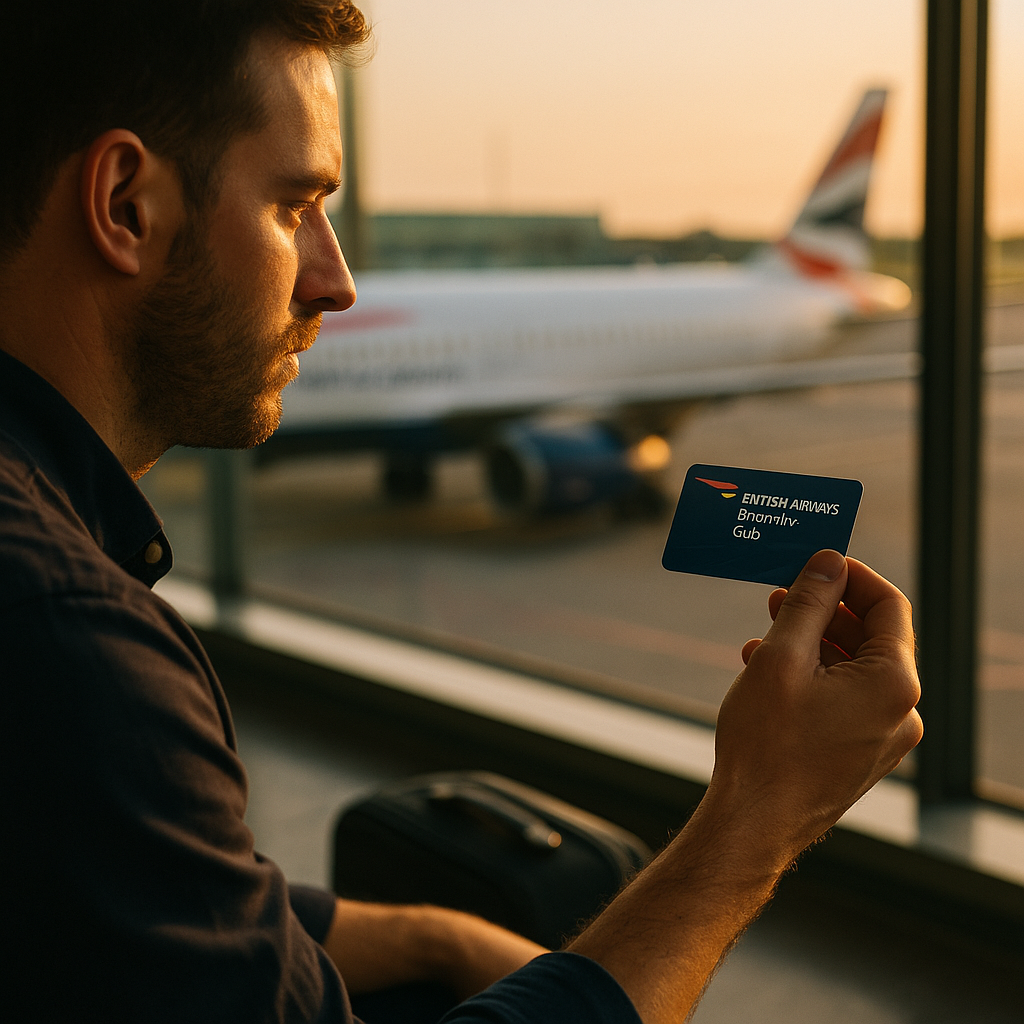
In 2025, loyalty leaders win less by grand gestures and more by repeatable improvements that customers actually feel. This case study explains How British Airways Used Small Wins For Loyalty Success by tightening everyday moments across digital, airport, onboard, and after-flight experiences. You’ll see the practical mechanics, the measurement mindset, and what to copy without copying BA’s scale—because small wins compound fast when executed well.
Customer loyalty strategy: Why small wins outperform big campaigns
Airline loyalty is unusually sensitive to friction. A delayed bag, a confusing app flow, or an inconsistent boarding process can erase the emotional value of an otherwise good flight. British Airways leaned into a customer loyalty strategy built on “small wins”: specific, low-to-medium complexity changes that reduce friction or increase clarity at high-volume touchpoints.
Small wins work because they are:
- Observable: customers notice them immediately (clearer seat selection, faster rebooking, better information during disruption).
- Repeatable: they can be rolled out across routes, aircraft types, and airports in a controlled way.
- Measurable: teams can connect a change to customer sentiment, operational metrics, and loyalty behavior.
BA’s advantage was not a single “wow” moment. It was the operational discipline to improve many small moments that happen millions of times. The lesson for loyalty teams is simple: loyalty is often the outcome of reliability plus transparency, not just rewards.
To address the likely question—doesn’t loyalty require generous perks?—BA’s approach suggests perks are the amplifier, not the foundation. If the base experience is inconsistent, richer benefits can attract members but won’t keep them satisfied when service fails.
Frequent flyer program: Executive Club as the compounding engine
British Airways’ frequent flyer program, Executive Club, is the mechanism that turns operational improvements into retained value. Small wins matter more when the customer has an ongoing relationship and can compare “before and after” across trips.
BA focused on strengthening three program dynamics that make small wins compound:
- Clarity of value: members need to understand how to earn, track, and use Avios without confusion. Simplifying communications and reducing “fine print surprises” can lift trust even when rewards remain constant.
- Status relevance: status should map to pain points that frequent flyers actually face (priority services, flexibility, proactive support during disruption). When benefits address real friction, members feel the value more often.
- Consistency across channels: the website, app, airport teams, and contact centres must reflect the same rules and recognition. Small wins fail when customers get different answers depending on who they ask.
Importantly, BA didn’t treat the program as a separate marketing layer. It treated Executive Club as an operating system for loyalty: a way to recognize customers consistently and to target improvements where high-value members feel them.
If you’re wondering how to replicate this without a massive loyalty team, start by auditing the top five “confusion points” in your program—anything that triggers calls, chats, or complaints—and eliminate them one by one. Confusion is a loyalty tax.
Customer experience improvements: Fixing the moments that drive perception
BA’s loyalty gains came from customer experience improvements that addressed the most common and most emotionally charged moments of travel. In airlines, perception hinges on how a brand behaves when things are messy: tight connections, delayed flights, aircraft changes, and baggage issues.
Small wins BA-style tend to cluster into four areas:
- Pre-trip confidence: clearer booking flows, more transparent fare and baggage rules, and better visibility of seat and upgrade options reduce anxiety before the journey begins.
- Airport control: smoother check-in and boarding processes, better queue management, and clearer signage or staff guidance reduce the feeling of chaos.
- Onboard consistency: delivering the basics reliably—clean cabins, predictable service steps, and working in-seat features—creates trust even if the flight is routine.
- Post-trip closure: faster baggage updates, proactive compensation guidance when eligible, and clean receipt/itinerary documentation reduce the “hassle tail” after travel.
These are not glamorous projects, which is exactly why they deliver loyalty. Many brands chase novelty while customers quietly want competence.
To answer a common follow-up—how do you choose which moments to fix first?—BA’s small-win logic prioritizes: (1) high-frequency pain points, (2) high-emotion moments, and (3) issues that create repeat contacts. Fixes that reduce rework free up staff to deliver better service elsewhere.
Digital transformation in airlines: Using data and journeys, not just features
Digital transformation in airlines often fails when teams ship features without improving end-to-end journeys. BA’s small wins align better with customer intent: “help me complete my task” and “keep me informed.”
BA used digital improvements to reduce friction and increase transparency, especially around disruption. Effective small wins in this category typically include:
- Self-service changes: making it easier to change flights, choose alternatives, request refunds, or handle missed connections without waiting for an agent.
- Real-time messaging: clearer push notifications and in-app status updates that explain what’s happening, what to do next, and what options are available.
- Unified customer view: ensuring staff and digital channels reference the same booking, loyalty, and service history so customers don’t repeat themselves.
From an EEAT standpoint, the practical takeaway is to define “success” as a completed journey, not an app release. Loyalty outcomes improve when customers can resolve issues quickly, and when information is consistent across touchpoints.
If you lead a loyalty or CX team, ask two questions your customers care about during disruption: “What are my options?” and “What happens if I do nothing?” Your digital experience should answer both in plain language.
Operational excellence: Turning reliability into a loyalty benefit
Operational excellence is not a backstage concern; it is a loyalty feature. BA’s small wins strategy works because many of the improvements are operational by nature—reducing variability, tightening handoffs, and making outcomes more predictable.
Examples of operational small wins that drive loyalty include:
- Better handovers between teams: when airport, cabin crew, and customer support share consistent information, customers experience fewer contradictions.
- Service recovery playbooks: clear rules for rebooking, meal vouchers, hotel support, and proactive assistance reduce uncertainty when plans change.
- Empowered frontline staff: giving staff the authority and tools to solve common issues quickly can prevent a minor problem from becoming a long complaint thread.
The loyalty link is straightforward: reliable execution reduces the number of “trust breaks.” Even frequent flyers with high status tend to judge airlines on how often something goes wrong and how competently it is fixed.
One more likely follow-up—isn’t operational improvement slow? Some changes are slow, but many are not. BA’s approach highlights quick wins like standardizing communications, improving queue logic, or tightening decision trees for staff. These are process changes that can move faster than large technology rebuilds.
Loyalty metrics: Measuring small wins so they actually stick
Small wins only compound when teams prove impact and keep the changes in place. BA’s loyalty success depended on tracking improvements with loyalty metrics tied to both experience and behavior.
A practical measurement stack looks like this:
- Experience signals: post-interaction satisfaction, complaint themes, contact rates, and sentiment from feedback channels.
- Operational signals: on-time performance by route, mishandled baggage rates, time-to-rebook, and time-to-resolution for cases.
- Loyalty behavior: repeat booking rate, share of wallet on key routes, tier retention, and the percentage of members actively earning or redeeming.
To keep measurements credible, BA-style teams avoid vanity dashboards. They connect each small win to one or two leading indicators (such as contact reduction) and one lagging indicator (such as repeat purchase or tier retention). That creates accountability without overfitting the story to one metric.
In 2025, it also matters how you report. Share results in a way frontline and operations teams can act on: what changed, where it changed, and what customers noticed. Small wins fade when only analysts can explain them.
FAQs
What does “small wins” mean in a loyalty context?
Small wins are targeted improvements that remove friction or increase clarity at high-volume moments—like rebooking, boarding, or status recognition. They are designed to be repeatable, measurable, and scalable, so their impact accumulates over time.
How did British Airways link small wins to Executive Club loyalty?
BA benefited when improved experiences were felt by members repeatedly and reinforced by consistent recognition across channels. Executive Club acted as the relationship layer that made customers notice progress across trips and increased the perceived value of staying loyal.
Which touchpoints matter most for airline loyalty?
Disruption handling, transparency of information, airport processes, and service recovery matter most because they carry high emotion and high memory. Customers often judge airlines by how they perform when the journey is not smooth.
Can smaller travel brands replicate this without BA’s resources?
Yes. Start with a “top friction list” from customer contacts and complaints, fix one issue at a time, and measure contact reduction plus repeat purchase. The discipline—prioritization, clarity, and consistency—matters more than scale.
What metrics best prove that small wins improved loyalty?
Use a mix of experience (satisfaction, complaints), operational (time-to-resolution, disruption handling speed), and behavioral metrics (repeat booking rate, tier retention, active earn/redemption). Tie each initiative to a small set of indicators to avoid unclear attribution.
How long does it take for small wins to affect loyalty?
Some effects show quickly in contact reduction and satisfaction. Behavioral loyalty shifts—repeat bookings and tier retention—typically follow after customers experience the improved moments multiple times, especially on frequent routes or for frequent flyers.
British Airways earned loyalty by treating small wins as a system: improve high-frequency moments, connect them to Executive Club recognition, and measure outcomes that matter to customers and operations. In 2025, the key takeaway is actionable: prioritize the few friction points that create the most anxiety, fix them with clear ownership, and prove impact with experience and repeat-behavior metrics. Loyalty grows when reliability becomes routine.