


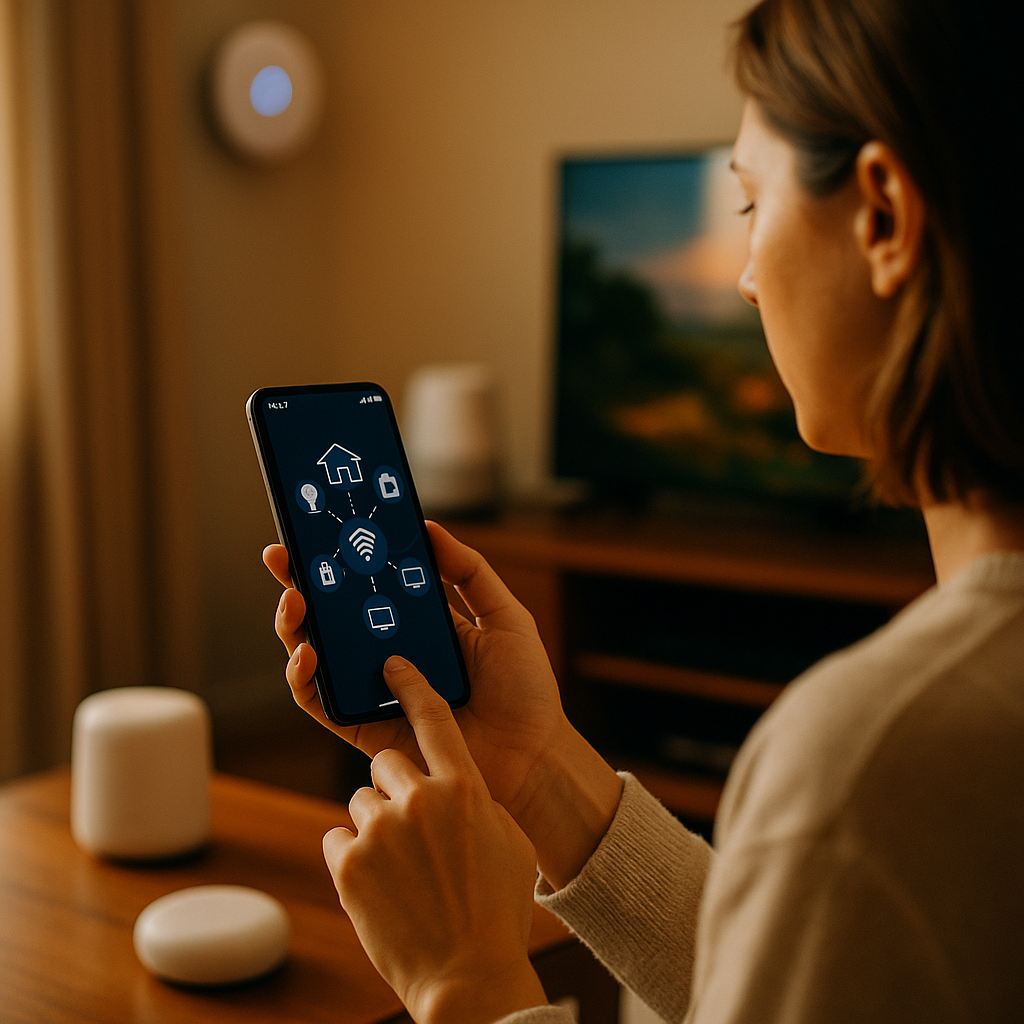
Smart home tech is transforming how we live, but for many, the main concern remains: do the devices work seamlessly together? Demonstrating interoperability is now pivotal, as homeowners seek a connected future without technical headaches. This article explores how smart devices can truly interact and why that matters for every homeowner looking to upgrade their living space.
What Is Interoperability in Smart Home Systems?
Interoperability refers to the ability of different smart home devices and platforms to communicate, cooperate, and function together efficiently. Unlike early smart tech that operated in silos, today’s expectation is holistic integration—regardless of brand or protocol. This seamless interaction allows, for example, your Amazon Alexa-enabled speakers to control a Philips Hue light, or a Samsung smart fridge to trigger your Google Nest thermostat when you leave home.
Achieving interoperability addresses key user pain points:
- No device isolation: You’re not forced to buy only one brand or stay trapped in a closed ecosystem.
- Simplified management: One app or voice command can control multiple devices.
- Enhanced automation: Devices from different manufacturers can trigger actions in one another, delivering true home intelligence and convenience.
Understanding interoperability helps buyers distinguish between smart devices that simply work online and those that genuinely add value through collaborative functionality.
Why Demonstrating Interoperability Builds Trust
Consumers in 2025 expect reliability from smart home tech. Manufacturers understand that demonstrating interoperability isn’t optional—it’s essential. Trust is built when companies show, not just claim, that their devices communicate effectively with competitor products.
Some prominent ways brands establish trust include:
- Public interoperability showcases: Live demonstrations at tech expos or in-store displays showing real-time device collaboration.
- Independent certifications: Devices earning badges like “Matter Certified” assure consumers of compatibility across brands.
- Third-party reviews: Tech journalists and industry influencers now emphasize interoperability testing in their reviews, helping buyers choose wisely.
Surveys in early 2025 indicate that more than 70% of new smart home buyers consider multi-brand integration a deciding factor—showcasing the critical link between demonstration and trust.
Leading Standards and Protocols Fueling Connectivity
Standardization is the backbone of interoperability. Various protocols have emerged, but one now dominates discussions: Matter, backed by the Connectivity Standards Alliance, is designed to bridge the gaps between Zigbee, Z-Wave, Wi-Fi, and legacy systems. Major brands such as Apple, Google, Samsung, and Amazon have embraced Matter, signaling industry-wide support.
Other relevant standards continue to play roles:
- Zigbee and Z-Wave: These wireless mesh protocols remain popular in lighting and home security devices.
- Thread: Designed for low-power networks, Thread provides fast, reliable connections for small devices like sensors and switches.
- Bluetooth Low Energy (BLE): Favored for proximity-based automation and wearable integration.
Consumers are encouraged to look for certification labels and compatibility listings. Selecting devices with overlapping standards ensures current and future-proof interoperability—reducing replacement costs and frustration.
How to Build a Truly Interoperable Smart Home
Homeowners in 2025 have more choices than ever. Building a home where devices work harmoniously requires a strategic approach. Follow these best practices for seamless interoperability:
- Start with a versatile hub: Hubs that support Matter and legacy protocols (like Zigbee or Z-Wave) future-proof your ecosystem.
- Prioritize certified devices: Look for the latest certification marks that verify compatibility across brands and systems.
- Use unified apps: Many platforms, such as Google Home and Apple Home, consolidate device management into one interface, simplifying control and automation.
- Leverage automation platforms: Services like IFTTT or native routines in smart home apps allow devices to trigger coordinated actions, even across manufacturers.
- Consult user communities: Online forums in 2025 are full of integration tips, troubleshooting guides, and automation recipes contributed by experienced users.
Avoid common pitfalls such as mixing unsupported devices or prioritizing price over compatibility. Interoperable homes maximize convenience and reduce future maintenance headaches.
Real-World Case Studies: Interoperability in Action
Seeing is believing. Across the globe in 2025, smart homeowners are reaping tangible benefits from true device cooperation.
The Martinez Family, Chicago: By using a Matter-compatible hub, their security cameras, smart locks, and lighting systems interact seamlessly. For example, unlocking the front door after 7 p.m. automatically switches on the hallway lights and temporarily disarms the alarm—no manual steps involved.
The Tanaka Apartment, Tokyo: Mixing brands wasn’t an issue. Their Samsung fridge, Apple HomePod, and various Xiaomi sensors are all tied together through their Matter-certified smart hub, sharing data to optimize energy use and streamline daily routines with voice commands.
These stories illustrate the shift: smart homes no longer need to be locked into single-brand silos. Demonstrating real-life interoperability builds consumer confidence and inspires innovation across the industry.
The Future of Smart Home Tech: Trends in Interoperability
The landscape of smart home tech is evolving fast. In 2025, three trends define the future of interoperability:
- Universal standards adoption: More manufacturers are integrating Matter as the backbone of device connectivity, making true plug-and-play homes a reality.
- Voice assistant convergence: Google Assistant, Alexa, and Siri now often work together, allowing households to mix assistants without conflict or reconfiguration.
- Security and privacy advances: As devices share more data, brands are implementing robust on-device encryption and user controls, giving homeowners better oversight of how their information travels between devices.
Consumers can expect faster innovation and even more intuitive automation as interoperability standards become ubiquitous. Now is an excellent time for both beginners and longtime enthusiasts to invest or upgrade, confident that their ecosystem will remain open and adaptable.
Conclusion: Interoperability Is the Key to Smart Home Success
A truly smart home in 2025 thrives on interoperability. By understanding standards, choosing compatible devices, and observing real-world results, homeowners can enjoy unmatched convenience and future readiness. As the industry continues to demonstrate and prioritize device cooperation, every home can unlock the full power of smart technology.
FAQs: Demonstrating Interoperability in Smart Home Tech
-
What is interoperability in smart home devices?
Interoperability means that smart home devices from different manufacturers can communicate, work together, and be managed through unified platforms, regardless of brand.
-
Which protocols should I prioritize for interoperability in 2025?
Matter is the leading protocol for device compatibility, supported by major brands. Thread, Zigbee, and Wi-Fi also remain relevant, but choosing Matter-certified products ensures maximum flexibility.
-
How can I check if my devices are interoperable?
Look for certification badges such as “Matter Certified” or cross-brand compatibility markings on product packaging and documentation. Online reviews and user forums also provide up-to-date compatibility reports.
-
Do I need a smart home hub for interoperability?
While some protocols allow direct device-to-device connections, a smart hub that supports multiple standards (especially Matter) increases reliability and simplifies integration, especially for larger or more diverse smart home setups.
-
Will future devices be compatible with my current system?
If your current devices support universal standards like Matter or Thread, they are more likely to remain compatible as technology evolves and new products enter the market.