


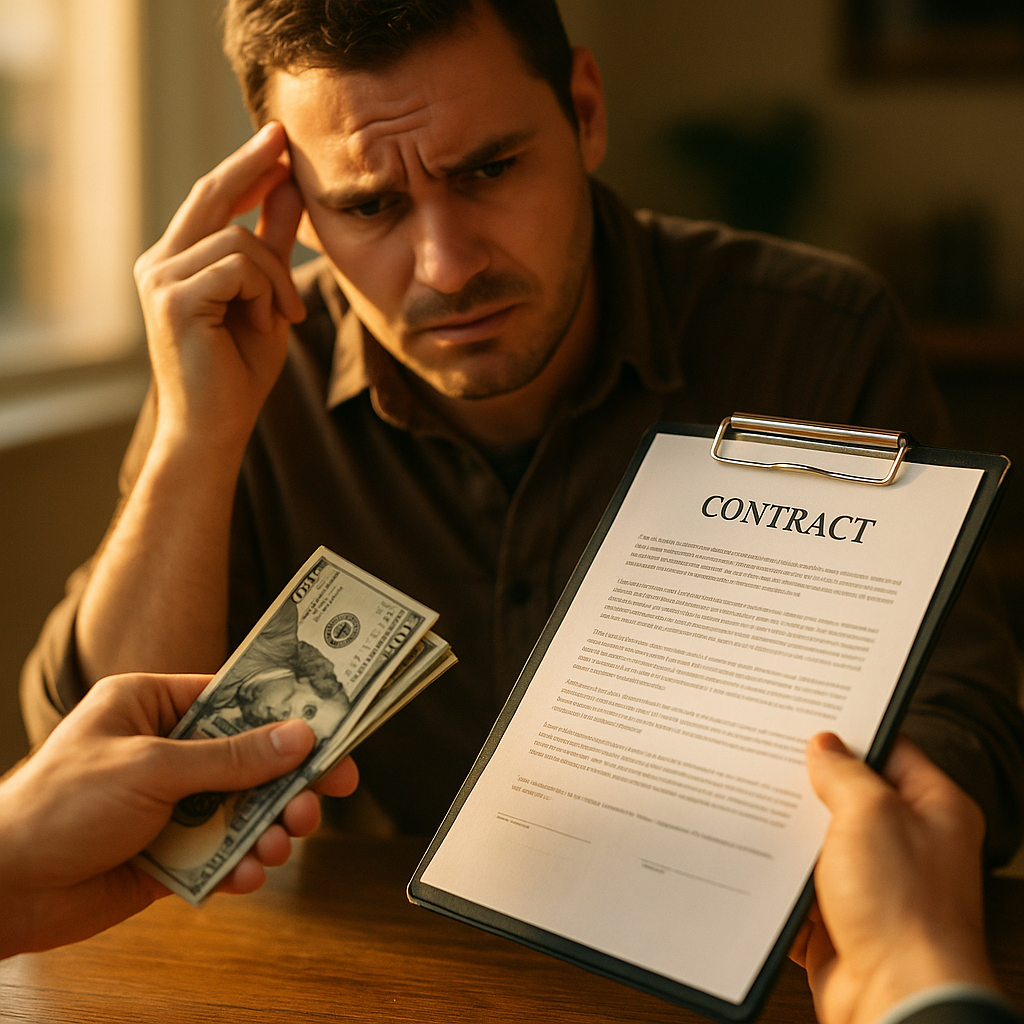
Pay-to-play scams in contracts are a growing concern for businesses and freelancers in 2025. Understanding how to spot and avoid these fraudulent schemes can protect your finances and reputation. If you’re entering new work agreements, learning to recognize the warning signs is more important than ever—read on for practical strategies and expert advice.
Recognizing Pay-to-Play Scams in Modern Contracts
Pay-to-play scams occur when a party requires upfront payments, fees, or “contributions” as a condition for participation in business deals or opportunities. These arrangements often promise enhanced access or favorable consideration, but they usually lead only to lost money and wasted time. In current digital marketplaces, scammers have become adept at disguising their tactics, making vigilance critical for professionals in every field.
Key warning signs of pay-to-play scams include:
- Demands for fees before allowing you to bid on or sign a contract
- “Exclusive” offers that require payment before any details are shared
- Vague or missing contract terms beyond the upfront payment condition
- Lack of verifiable business credentials on the other party’s side
- Pressure to act quickly, paired with threats about “missing out”
Being able to distinguish between legitimate administrative fees in certain industries and illicit pay-to-play demands is vital. Always verify the norm in your sector, as genuine agreements never ask for payments without clearly stated services or deliverables.
Due Diligence: Verifying the Legitimacy of Contracts
Conducting due diligence is essential for avoiding pay-to-play scams in contracts. Fraudsters often rely on your willingness to trust or act quickly. Counter this by systematically verifying every party and agreement involved. According to a 2025 Trust in Digital Markets survey, 68% of scam victims failed to double-check company credentials before committing to payments.
Steps to ensure legitimacy include:
- Authenticating business registrations with official governmental databases
- Researching the company’s online presence, checking for consistent addresses, contact details, and social proof
- Reviewing third-party or regulator warnings about the counterparty
- Asking for client references and independently verifying testimonials
- Consulting with legal or industry professionals before signing any contract involving a significant upfront cost
This level of investigation not only uncovers scam operations but also promotes safer business relationships in the long run.
The Role of Transparent Contracting in Preventing Scams
Clear, comprehensive contracts are an important defense against pay-to-play scams. Transparent documents detail duties, deliverables, timelines, and payment terms—eliminating ambiguity that fraudsters exploit. The best contracts explicitly prohibit unsanctioned fees and clarify precisely what any legitimate prepaid costs cover.
United States courts have historically sided with parties provided these contracts are detailed and mutual. In 2025, contract transparency is increasingly demanded in both private agreements and public procurement, reflecting best practices advocated by global legal authorities. Whenever possible, request a written contract before providing any payment. If the other party refuses, that’s a red flag.
How Regulatory Agencies Combat Pay-To-Play Schemes
Government agencies and industry watchdogs play a key role in reducing pay-to-play contract scams. Bodies such as the U.S. Federal Trade Commission (FTC) and the Securities and Exchange Commission (SEC) publish updated guidelines, warning lists, and enforcement actions. In 2025, several high-profile cases have led to stricter enforcement of anti-corruption and anti-fraud statutes, putting pressure on bad actors across sectors.
To benefit from regulatory protections:
- Regularly consult official scam alert resources when assessing new partnerships
- Report suspicious contract structures to relevant agencies
- Stay current with the latest anti-fraud education campaigns and compliance updates in your region
Awareness of regulatory action increases your ability to defend your business and avoid inadvertently participating in illegal practices.
Best Practices for Avoiding Pay-To-Play Scams
A comprehensive prevention strategy is essential for individuals and organizations. The following best practices help safeguard against falling victim to pay-to-play schemes in 2025:
- Never pay upfront for unverified opportunities. Payments should correspond to clear deliverables or services.
- Insist on written agreements. Ensure all terms, including payment schedules, are documented and agreed upon by all parties.
- Educate your team. Train staff to recognize fraud patterns, especially if they manage procurement or sign contracts.
- Keep records of all communications and payments. In the event of a dispute or investigation, a clear paper trail is your best defense.
- Use escrow services for high-value deals. Third-party intermediaries can protect both sides by only releasing funds after agreed milestones are met.
- Consult a legal expert. When in doubt, professional advice can prevent costly legal or reputational consequences.
Building these precautionary steps into every contract negotiation process will vastly decrease your exposure to unethical demands.
Red Flags: When to Walk Away from a Contract
Sometimes, the smartest move is to say no. Learning to withdraw from suspicious negotiations is a powerful skill in 2025’s competitive marketplace. Signs you should immediately reconsider include:
- Any demand for non-refundable payments before you see the full contract
- Unwillingness to provide proof of business legitimacy
- Contract terms that heavily favor one party, with no room for clarification or negotiation
- Pressure to sign “as-is” without independent review
- Attempts to rush you through legal or financial disclosures
If any of these occur, take the opportunity to pause. A reputable company will never penalize you for requesting more information or time to make a decision.
FAQs: Avoiding Pay-To-Play Scams In Contracts
-
What is a “pay-to-play” contract scam?
A pay-to-play contract scam is a fraudulent scheme where a party demands payment, often disguised as a fee or contribution, as a condition for accessing or signing a contract—without genuine intention to deliver services or opportunities.
-
Are upfront payments always a scam?
Not necessarily. Some legitimate contracts require deposits, especially in construction, consulting, or events. The key is transparency: fees should be clearly documented, tied to specific deliverables, and backed by an enforceable contract.
-
How do I verify if a company is legitimate before signing a contract?
Check the company’s registration with official government databases, look for consistent business information online, request and verify references, and examine their track record for delivering on similar contracts.
-
Who should I report suspected scams to?
Report suspected pay-to-play scams to your country’s consumer protection agency, such as the FTC in the U.S., local anti-fraud authorities, and industry watchdog organizations. Prompt reporting helps prevent further victimization.
-
What if I discover a scam after paying?
Immediately document all communication, contact your bank or payment provider to attempt recovery, and report the scam to relevant authorities. Depending on circumstances, legal counsel may help you pursue restitution.
In summary, vigilance and due diligence are your best tools for avoiding “pay-to-play” scams in contracts. Always verify business legitimacy, insist on transparent agreements, and seek expert guidance when needed—your caution will protect your interests in every deal.