


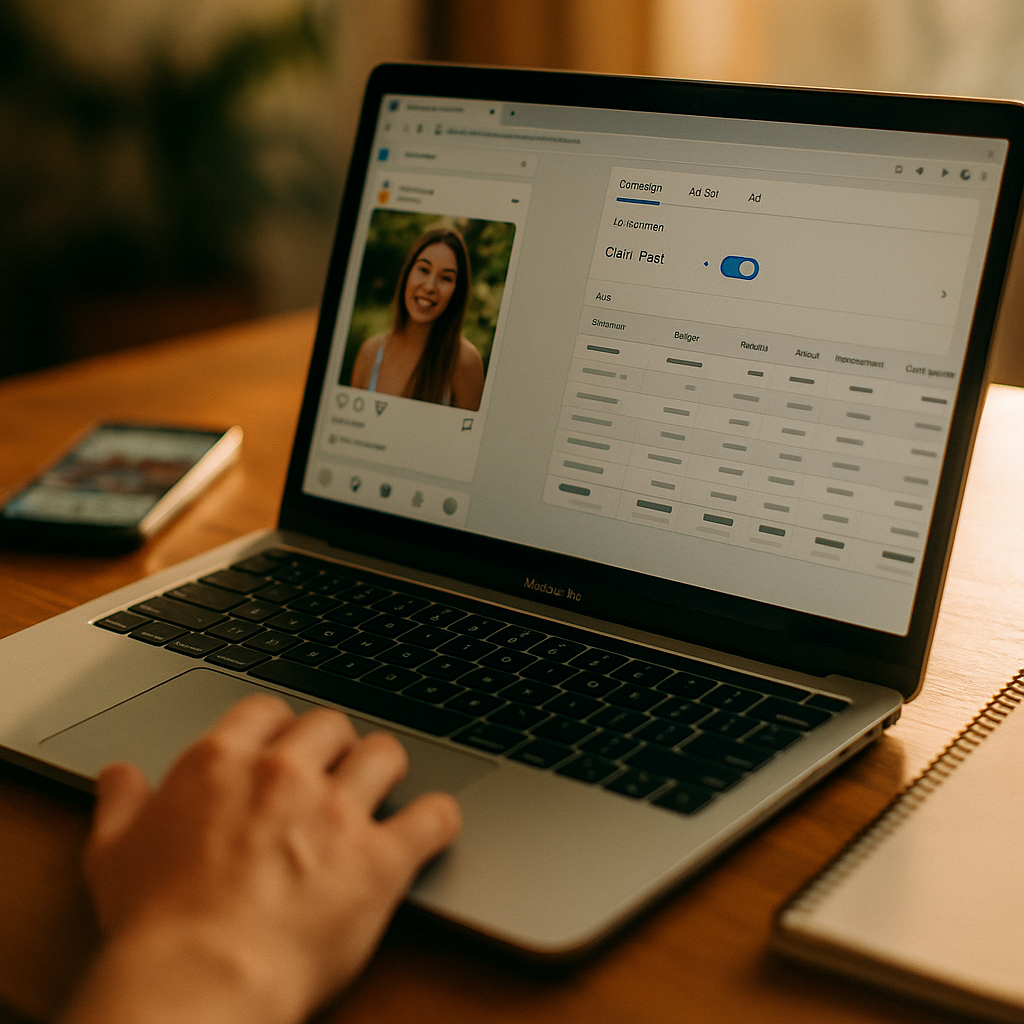
Effective marketing campaigns often depend on the strategic use of tools for whitelisting and dark posting management. As brands intensify their paid social efforts, mastering these tools is essential for privacy, compliance, and campaign precision. Ready to streamline your workflow and amplify your advertising impact? Discover the latest best-in-class solutions in this comprehensive guide.
Understanding Whitelisting and Dark Posting: Key Concepts Explained
Before diving into the tools, it’s crucial to define whitelisting and dark posting. Whitelisting occurs when a brand advertises through a creator’s or partner’s social media account (with their permission), lending authenticity and improved audience engagement. Dark posting refers to creating social ads that do not appear on the brand’s or influencer’s organic feeds but are shown to selected target audiences as sponsored content. Both strategies maximize reach, maintain privacy, and enhance ad personalization, but managing them efficiently requires specialized tools.
Top Tools for Whitelisting Management for Social Ad Campaigns
Managing whitelisting at scale involves permissions, transparency, and trust between brands and creators. The right tools streamline access, keep track of approvals, and offer robust analytics. Here are industry-leading solutions:
- Facebook Business Manager (Meta Business Suite): Offers native whitelisting features allowing brands to request access to creator pages, manage permissions, run ads as the creator, and track performance. Granular access controls protect both parties.
- Lumanu: Tailored for influencer whitelisting, Lumanu automates permission-granting and campaign tracking, and it lets creators set boundaries on brand usage of their profiles. Its built-in reporting facilitates compliance and transparency.
- Brand Collabs Manager: Especially for collaborative campaigns, this Meta platform connects brands and creators, systematizing permissions and simplifying payment distribution alongside ad access.
- Captiv8: Known for its influencer management suite, Captiv8 provides streamlined whitelisting workflows, approval management, and transparent ROI analysis for influencers and brands.
When selecting the best tool, consider integration with your existing ad platforms, ease-of-use for external partners, data privacy safeguards, and detailed permission settings. Always update user access regularly to maintain account security.
Leading Dark Posting Management Platforms for Advertisers
Dark posting empowers brands to deploy hidden, highly-targeted ads, from quick A/B tests to segmented campaigns. Managing this effectively requires purpose-built platforms that support custom audiences, creative variation, and performance analytics. Popular dark posting management tools include:
- Meta Ads Manager: This remains the gold standard for Facebook and Instagram dark posts, allowing you to craft unpublished page posts and direct them to specific demographics without affecting your public timeline.
- Sprinklr: Sprinklr’s advanced segmentation and hidden publishing features let large brands orchestrate thousands of dark posts while segmenting by location, interest, or CRM data. Its robust analytics tie back to strategic KPIs.
- Hootsuite Ads: Merges publishing, monitoring, and dark ad management. Hootsuite allows you to deploy, monitor, and adjust ads in real-time while keeping organic feeds untouched.
- Smartly.io: With creative automation and API-driven setup, Smartly.io excels at deploying dark posts across multiple brands or regions, using data-driven triggers and optimizing creative assets on-the-fly.
When choosing among these tools, examine integration with audience data, support for creative versioning, scalability, and the level of automated optimization provided.
Ensuring Compliance and Security in Whitelisting and Dark Posting
Privacy and regulatory compliance—especially with evolving regulations in 2025—are non-negotiable when whitelisting or dark posting. Advertisers and influencers must ensure data is protected, user consent is logged, and permissions are easily auditable. Here’s how top tools help:
- Access Logs and Audit Trails: Track who granted, modified, or revoked permissions at every stage, demonstrating compliance for platform and legal audits.
- Data Encryption and Obfuscation: Leading platforms use end-to-end encryption to ensure that account credentials or campaign data are never exposed.
- GDPR and CCPA Controls: User data usage within ads is automatically flagged if permissions or documentation are missing. Set up alerting and automated blocklists to preemptively ensure compliance.
- Role-Based Access: Only authorized individuals can deploy dark posts, approve whitelisting, or access sensitive analytics, minimizing internal risk.
Regular training and annual reviews of your tool settings ensure all teams follow best practices and stay ahead of changes in legal requirements.
Optimizing Workflow with Automation and Analytics
Efficiency is critical when managing many creators and campaigns. Modern tools for whitelisting and dark posting management use automation and customizable dashboards to minimize manual work and enable data-driven decisions. Consider these workflow enhancements:
- Automated Permission Requests: Send, track, and store creator approvals in one dashboard, cutting down email threads and removing guesswork about status updates.
- Bulk Creative Management: Tools like Sprinklr and Smartly.io allow massive dark post creation, versioning, and scheduling from a single interface, crucial for multivariate testing.
- Unified Performance Dashboards: Consolidate metrics across brands, creators, and channels. See which whitelisting partnerships or dark ads perform best, and double down on proven tactics.
- AI-Driven Optimization: Platforms increasingly integrate AI to suggest bid changes, swap underperforming creative, or predict audiences most likely to convert.
Leveraging these features means your team spends less time on repetitive tasks and more time refining campaign strategy.
Best Practices for Effective Whitelisting and Dark Posting Campaigns
Even with the best tools, strategic frameworks make the difference between a compliant, high-converting campaign and a costly misfire. Follow these actionable best practices:
- Define Partner Criteria Clearly: Use agreed metrics for influencer or creator selection (engagement rate, audience overlap, location) and confirm alignment on messaging.
- Automate Where Possible: Implement tools that auto-manage approvals and content deployment to reduce manual error and save time.
- Set Transparent Reporting Protocols: Agree on real-time performance reporting so partners can monitor campaign results and optimize in-flight.
- Prioritize Security: Regularly audit account access and minimize permissions to trusted team members. Address any anomalies immediately.
- Review Regulatory Guidelines Often: Assign a compliance lead to review platform and regional rules on whitelisting and data usage quarterly.
- Test and Iterate: Use dark posting for rapid multivariate tests—experiment with copy, creative, and targeting before wider rollout and organic posting.
These steps position your organization for scalable, protected, and performance-driven social advertising.
FAQs: Tools For Whitelisting And Dark Posting Management
- What is the primary difference between whitelisting and dark posting?
Whitelisting involves running ads through a creator’s or influencer’s account for authenticity and reach. Dark posting means publishing ads that don’t appear on public timelines, enabling brands to show them only to specific audiences. - What are the risks of not using a dedicated management tool?
Manual processes risk data leaks, permission errors, compliance failures, and inefficiencies. Dedicated tools automate approvals, safeguard data, and simplify reporting, protecting brands and partners. - Which social media platforms support whitelisting and dark posting?
Facebook, Instagram, and TikTok are leading platforms supporting both strategies via their business or creator suites. Most large platforms offer APIs or built-in management features for brands and creators. - How can I ensure compliance with changing privacy laws?
Use tools that log all permissions, offer audit trails, and have built-in alerts for policy changes. Assign a dedicated compliance manager to regularly review legal updates and update workflows as needed. - Are these management tools suitable for smaller brands?
Yes. Most platforms scale to fit businesses of all sizes. Start with native solutions (like Meta’s Suite) and layer on third-party tools as campaigns become more complex.
Harnessing the right tools for whitelisting and dark posting management ensures precision, privacy, and performance in your paid social campaigns. Streamline workflows, boost compliance, and unlock your brand’s full advertising potential by adopting these solutions and best practices today.