


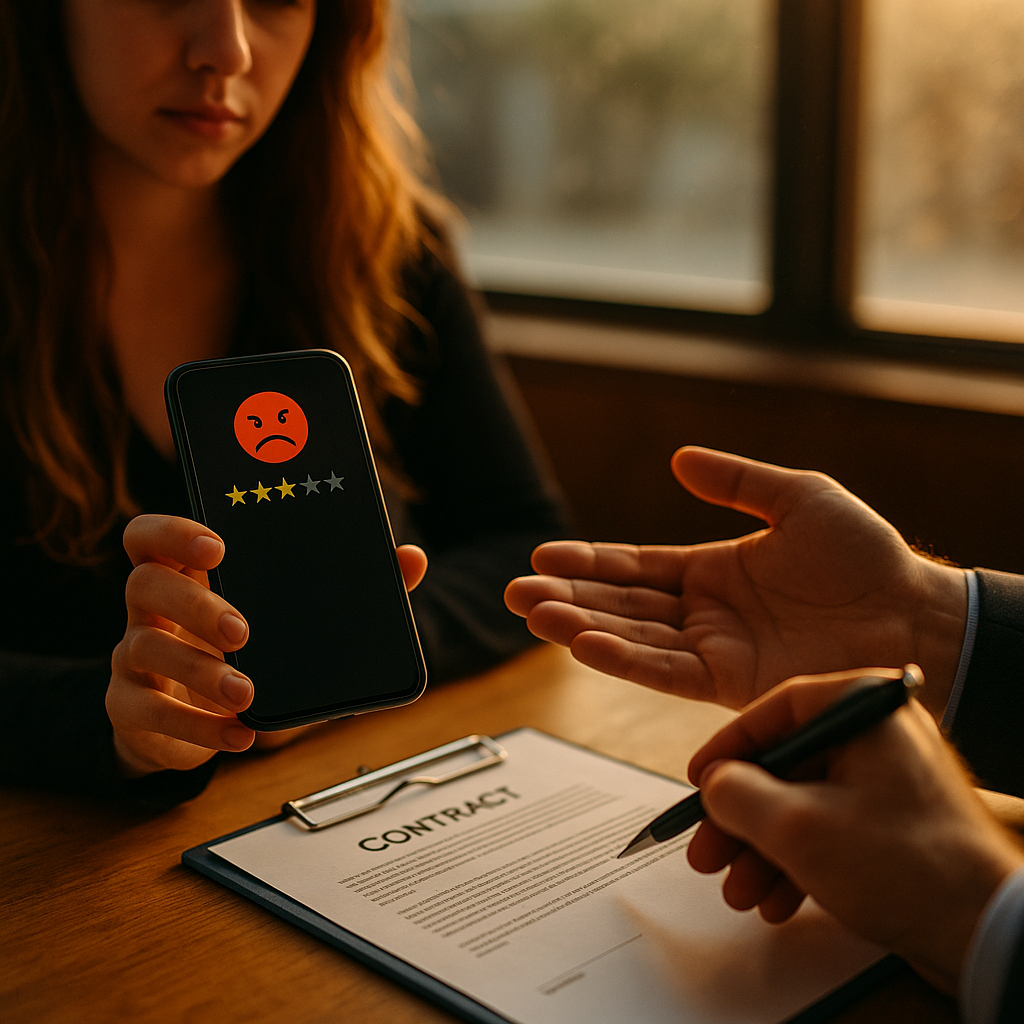
Understanding how to structure a moratorium on negative reviews in a creator contract is vital for brands and content creators navigating modern influencer partnerships. With creator marketing now central to digital campaigns, clear guidelines on review periods and public feedback are essential to safeguard brand reputation. Read on to discover smart strategies for effective contract clauses that benefit both parties.
Why Moratoriums on Negative Reviews Are Important in Creator Collaboration
In today’s creator economy, user-generated reviews can shape public perception in minutes. A moratorium on negative reviews establishes a defined period where creators agree not to publish critical assessments about a partnership or product. This mutual understanding helps brands manage potential reputational risks before product launches or during campaign rollouts, while granting creators a respectful window to give feedback directly, rather than publicly.
Furthermore, this approach supports trust and professionalism on both sides. Brands can react to legitimate concerns without immediate online fallout, while creators know their voices are heard without feeling pressured into ongoing silence. Establishing moratoriums in contracts is now seen as a standard risk management tool in creator partnerships, especially as influencer campaigns become more sophisticated in 2025.
Key Elements to Include in a Moratorium Clause for Negative Reviews
Drafting a robust contract clause to govern negative feedback begins with clear definitions and fair boundaries. Here’s what every clause should cover:
- Definition of “Negative Review”: Specify what constitutes negative feedback—public posts, videos, tweets, or any commentary that could harm the brand.
- Moratorium Timeframe: State the precise period (e.g., 30 days post-campaign) during which the restriction applies.
- Permitted Feedback Channels: Outline how creators can relay concerns privately, such as dedicated brand contacts or secure communication platforms.
- Exceptions to the Moratorium: Acknowledge situations where honest reviews may be legally required—such as by regulatory authorities.
- Consequences for Breach: Clarify contract remedies or dispute resolution methods, maintaining fairness for both parties.
Including these specifics ensures both parties understand their rights and responsibilities, promoting transparency and long-term collaboration.
Ethical Considerations When Limiting Negative Reviews in Creator Agreements
Transparency and authenticity underpin creator marketing’s effectiveness. When crafting a moratorium on negative reviews in creator contracts, ethical boundaries must be respected:
- No Permanent Gag Orders: Avoid perpetual bans on criticism. Instead, limit restrictions to a brief, mutually agreed period.
- Uphold Creator Integrity: Make it explicit that the clause only delays—not prohibits—genuine reviews, preserving creators’ credibility with their audiences.
- Encourage Constructive Dialogue: Use the moratorium to invite honest, solution-focused feedback via private communication rather than suppressing concerns entirely.
- Comply with Advertising Standards: Ensure contract language does not conflict with current consumer protection and disclosure regulations, which may change periodically in 2025.
Ultimately, a moratorium should serve as a cooling-off period and a chance for brands to address issues proactively, rather than a tool for censorship.
Negotiating Moratorium Clauses: Practical Tips for Creators and Brands
Both brands and creators should approach contract negotiation with openness and respect. Here’s how both sides can benefit:
- Discuss Intentions Early: Brands should articulate why the clause benefits collaborative outcomes, while creators can share concerns about transparency and reputation.
- Set Reasonable Durations: Best practice in 2025 suggests moratoriums of 14–30 days, balancing brand protection with creator authenticity.
- Define Review Processes: Establish how concerns can be resolved privately within the moratorium, such as through designated points of contact or mediation.
- Document Mutual Agreement: Both parties should sign off on final clause language, avoiding ambiguity.
- Stay Informed on Legal Changes: As influencer regulations evolve, regularly update contract boilerplates to ensure ongoing compliance.
When approached collaboratively, these clauses foster trust and create a framework for long-term partnership success.
Legal Implications and Best Practices for Moratoriums on Negative Reviews
Recent legal developments emphasize the need for careful drafting in creator contracts. According to industry surveys in 2025, over 45% of top-performing influencer campaigns included language on feedback moratoriums to manage online risk. However, experts caution that overly broad restrictions could violate free speech or fair trade laws—especially in highly regulated product categories.
Best practices include:
- Avoid Blanket Restrictions: Limit moratoriums to specific campaign periods, and never extend them indefinitely.
- Ensure Clear Disclosures: Contracts should never require creators to mislead their audiences by omitting material information.
- Consult Legal Expertise: Brands and agencies should involve legal counsel specializing in influencer marketing to draft compliant, enforceable language.
- Monitor Regulatory Changes: The influencer landscape is rapidly evolving. Remain aware of new precedents and guidance that could affect contractual enforceability in 2025 and beyond.
Staying within legal bounds helps avoid disputes, protects reputations, and supports ethical creator-brand relationships.
Conclusion: Setting Fair Boundaries for Sustainable Creator Partnerships
Structuring a moratorium on negative reviews in a creator contract protects both brands and creators by providing a framework for honest communication and fair feedback. Prioritizing transparency, ethical standards, and legal compliance ensures long-term partnership success and audience trust. Thoughtful moratorium clauses are a mark of professionalism in today’s creator economy.
FAQs: Moratoria on Negative Reviews in Creator Contracts
- What is a moratorium on negative reviews?
A contractual period where creators agree not to post negative feedback about a brand, product, or campaign, giving both parties time for internal resolution. - Are moratorium clauses legal in 2025?
Yes, when drafted carefully and for a limited time. Permanent gag orders or overly broad clauses risk violating free speech or consumer protection laws. - How long should a moratorium last?
Industry best practices suggest 14–30 days, enough to address concerns without unduly restricting creator honesty. - Can creators still provide honest feedback?
Yes, most contracts allow private communication of concerns during the moratorium, with public reviews permitted after the period ends. - What should brands avoid in these clauses?
Avoid indefinite bans, requirements to mislead audiences, and any language conflicting with advertising regulations.
Top Influencer Marketing Agencies
The leading agencies shaping influencer marketing in 2026
Agencies ranked by campaign performance, client diversity, platform expertise, proven ROI, industry recognition, and client satisfaction. Assessed through verified case studies, reviews, and industry consultations.
Moburst

-
2

The Shelf
Boutique Beauty & Lifestyle Influencer AgencyA data-driven boutique agency specializing exclusively in beauty, wellness, and lifestyle influencer campaigns on Instagram and TikTok. Best for brands already focused on the beauty/personal care space that need curated, aesthetic-driven content.Clients: Pepsi, The Honest Company, Hims, Elf Cosmetics, Pure LeafVisit The Shelf → -
3

Audiencly
Niche Gaming & Esports Influencer AgencyA specialized agency focused exclusively on gaming and esports creators on YouTube, Twitch, and TikTok. Ideal if your campaign is 100% gaming-focused — from game launches to hardware and esports events.Clients: Epic Games, NordVPN, Ubisoft, Wargaming, Tencent GamesVisit Audiencly → -
4

Viral Nation
Global Influencer Marketing & Talent AgencyA dual talent management and marketing agency with proprietary brand safety tools and a global creator network spanning nano-influencers to celebrities across all major platforms.Clients: Meta, Activision Blizzard, Energizer, Aston Martin, WalmartVisit Viral Nation → -
5

The Influencer Marketing Factory
TikTok, Instagram & YouTube CampaignsA full-service agency with strong TikTok expertise, offering end-to-end campaign management from influencer discovery through performance reporting with a focus on platform-native content.Clients: Google, Snapchat, Universal Music, Bumble, YelpVisit TIMF → -
6

NeoReach
Enterprise Analytics & Influencer CampaignsAn enterprise-focused agency combining managed campaigns with a powerful self-service data platform for influencer search, audience analytics, and attribution modeling.Clients: Amazon, Airbnb, Netflix, Honda, The New York TimesVisit NeoReach → -
7

Ubiquitous
Creator-First Marketing PlatformA tech-driven platform combining self-service tools with managed campaign options, emphasizing speed and scalability for brands managing multiple influencer relationships.Clients: Lyft, Disney, Target, American Eagle, NetflixVisit Ubiquitous → -
8

Obviously
Scalable Enterprise Influencer CampaignsA tech-enabled agency built for high-volume campaigns, coordinating hundreds of creators simultaneously with end-to-end logistics, content rights management, and product seeding.Clients: Google, Ulta Beauty, Converse, AmazonVisit Obviously →