


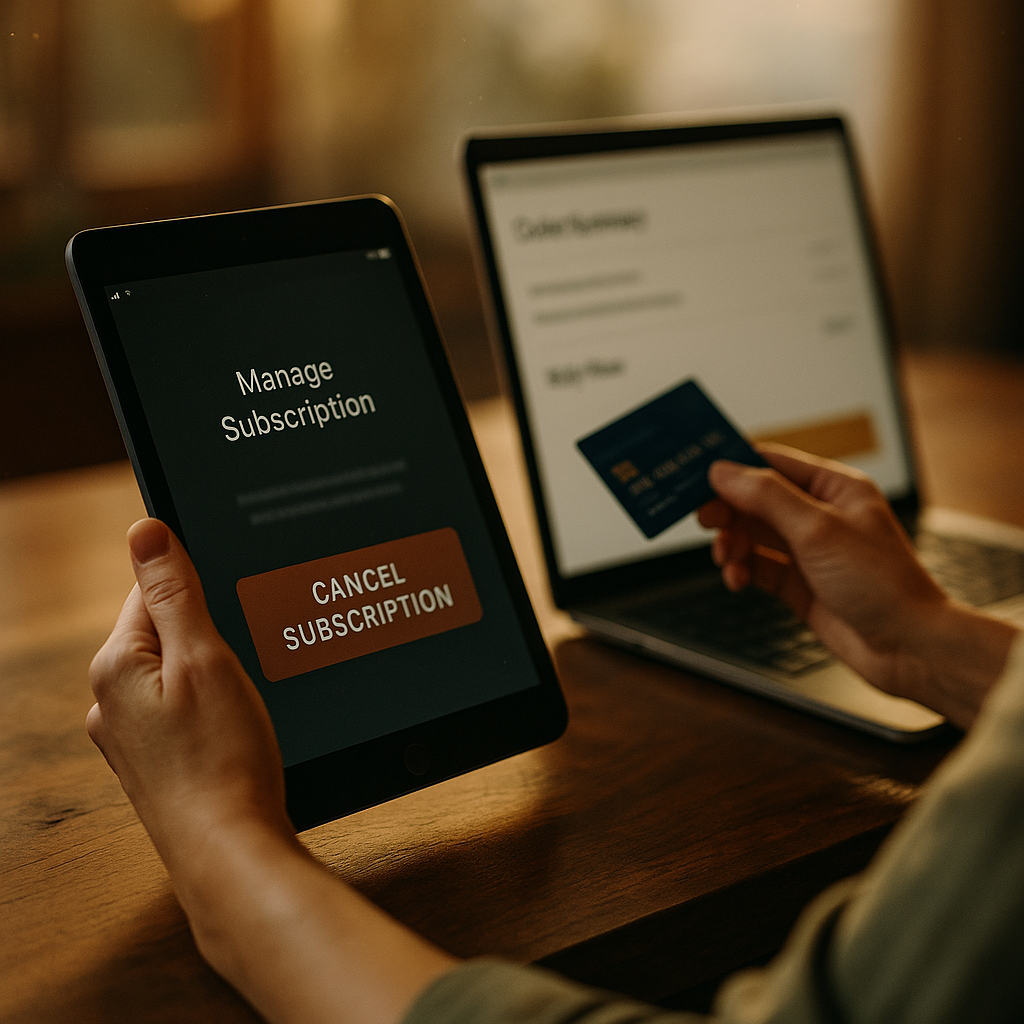
Subscription fatigue has become a defining consumer trend in 2026. Households and businesses alike now question recurring charges that once felt convenient but now strain budgets, attention, and trust. As streaming, software, apps, and even physical goods pile onto monthly bills, many buyers are rediscovering the appeal of ownership. Why is the one-time buy making a serious comeback?
What Subscription Fatigue Means for Consumer Behavior
Subscription fatigue describes the growing frustration consumers feel when too many products and services demand ongoing payments. What began as a simple way to access entertainment and software has expanded into nearly every category, from productivity tools to meal kits, fitness apps, cloud storage, and smart-device features.
In practice, this fatigue shows up in a few clear ways:
- Rising cancellation rates: Consumers regularly audit their bank statements and cut services they no longer use weekly.
- Higher sensitivity to price increases: Even small monthly changes now trigger churn.
- Decision overload: Managing multiple plans, passwords, billing dates, and tiers creates mental friction.
- Trust erosion: Customers dislike confusing cancellation flows, automatic renewals, and feature paywalls.
This shift is not only emotional. It is economic and behavioral. When every product becomes “just another monthly fee,” buyers begin to compare subscriptions against one another instead of judging each product on its own value. A meditation app is no longer competing only with other wellness apps. It is competing with streaming platforms, work software, cloud services, and grocery delivery for a fixed share of a customer’s recurring budget.
That pressure changes purchase decisions. Consumers increasingly ask practical questions before subscribing: Will I use this every month? Can I cancel easily? Is there a lifetime plan? Is there a one-time purchase alternative? Those questions signal a market that is maturing and becoming less tolerant of passive billing.
The Return of the One-Time Buy in Digital Products
The one-time buy is returning because ownership feels cleaner, more predictable, and easier to justify. For many consumers, paying once removes a recurring psychological burden. There is no surprise charge next month, no annual renewal to remember, and no low-level guilt over paying for something underused.
This trend is especially visible in digital products. Independent software developers, browser tool makers, note-taking apps, creative utilities, and niche productivity tools are reintroducing one-time licenses, paid upgrades, and lifetime access offers. Some companies now position ownership as a premium feature rather than an outdated model.
Why does this matter? Because it aligns with how many people actually use software. Not every tool needs constant cloud infrastructure, ongoing content updates, or live support. In those cases, a recurring fee can feel less like fair pricing and more like forced rent.
Consumers also increasingly distinguish between products that justify subscriptions and products that do not. They tend to accept recurring billing when a service includes:
- Constantly updated content libraries
- Heavy cloud hosting or storage costs
- Ongoing human support or expert access
- Security monitoring and live data processing
- Regularly evolving enterprise functionality
But when the value is static or only occasionally updated, a one-time fee feels more reasonable. That distinction is fueling the return of paid ownership across categories that once rushed toward subscription-first pricing.
Why Pricing Transparency Now Drives Purchase Decisions
Pricing transparency has become one of the strongest competitive advantages in 2026. Customers are more informed, more skeptical, and less willing to accept vague billing structures. If they cannot understand the total cost quickly, many leave before checkout.
Transparent pricing matters because subscriptions often hide their true long-term cost. A service advertised as inexpensive monthly can become expensive over a year or two, especially when combined with add-ons, premium tiers, device limits, or increased rates after a trial ends.
One-time purchases benefit from simplicity. The buyer knows the cost upfront. That clarity lowers friction and builds confidence. It also supports a stronger sense of fairness, which directly affects brand trust.
Companies that want to maintain subscriptions can still adapt by following practical best practices:
- Show total annual cost clearly: Do not force users to calculate it themselves.
- Explain what ongoing payment funds: Spell out the recurring value.
- Offer realistic lower-cost tiers: Avoid overloading customers with features they will never use.
- Make cancellation easy: Reducing friction improves credibility, even if some users leave.
- Provide ownership-style options: Consider lifetime access, credits, or pay-once versions for lighter users.
From an EEAT perspective, transparency also supports helpful content and trustworthy commerce. Brands that explain pricing plainly, publish accurate comparisons, and help users choose the right plan create stronger long-term relationships than brands that rely on confusion or inertia.
How Recurring Revenue Models Reached a Breaking Point
Recurring revenue models remain attractive to companies because they improve forecasting, increase customer lifetime value, and support investor expectations. Yet the same model can become fragile when too many businesses adopt it without asking whether their product truly earns monthly commitment.
That is where the breaking point appears. Consumers do not reject subscriptions in principle. They reject subscriptions that feel misaligned with the value delivered.
Several forces pushed the market to this point in 2026:
- Subscription saturation: Nearly every digital interaction now offers a monthly plan.
- Budget pressure: Households and small businesses track recurring expenses more closely than before.
- Feature fragmentation: Core functions are often split into higher tiers.
- Platform dependency: Customers dislike paying indefinitely to retain access to files or workflows.
- Cancellation backlash: Hard-to-exit systems create reputational damage quickly.
For businesses, this means subscription strategy requires more discipline. A recurring model works best when the product delivers fresh, measurable value over time. If a service solves a problem once, or only occasionally, forcing monthly billing can reduce conversion and increase resentment.
Many brands are now learning that flexible monetization wins. Instead of choosing between subscription or one-time purchase, they offer both. A user might buy the core product once, then choose optional upgrades, support packages, or add-on services later. That approach respects different usage patterns and broadens the market.
Consumer Trust and Ownership Are Becoming Strategic Advantages
Consumer trust is now closely linked to ownership. Buyers want confidence that their purchase will remain useful and accessible without constant payment pressure. That desire applies to software, media, digital tools, and even connected devices.
Ownership has emotional value as well as financial value. People like knowing that what they paid for is theirs to use. That feeling reduces anxiety around billing changes, account downgrades, and service shutdowns. It also makes the transaction feel complete.
For companies, this creates a strategic opening. Brands that respect ownership can stand out in crowded markets by doing the following:
- Offer perpetual access where practical
- Guarantee access to purchased core features
- Separate essential functionality from optional cloud services
- State upgrade policies in plain language
- Protect user data portability
These choices signal confidence. They tell buyers the product is valuable enough to sell directly, not only through ongoing extraction. In a market shaped by fatigue, that message is powerful.
There is also a practical trust benefit: customer support conversations become easier when pricing and access are straightforward. Users are less likely to dispute charges, less likely to feel trapped, and more likely to recommend products that feel fair. In many sectors, that organic goodwill lowers acquisition costs over time.
Experts in product strategy increasingly advise businesses to map pricing to actual usage rather than defaulting to subscriptions. If active value delivery happens daily, monthly pricing may fit. If value is front-loaded or occasional, ownership or usage-based pricing may create stronger retention in the long run.
What Smart Brands Should Do About Subscription Fatigue
Smart brands are not treating subscription fatigue as a passing complaint. They are using it as a signal to redesign offers around real customer value. The strongest response is not abandoning subscriptions entirely. It is building pricing systems that match the product, the audience, and the frequency of use.
For product teams, marketers, and founders, the path forward is practical:
- Audit the product honestly: Does it deliver ongoing value every billing cycle, or is it mainly a one-time utility?
- Study cancellation reasons: Look for patterns around price, underuse, confusion, and perceived unfairness.
- Test alternative pricing: Offer one-time purchase, lifetime plans, or bundles for selected segments.
- Improve onboarding: Customers stay subscribed longer when they experience value quickly and consistently.
- Reduce hidden complexity: Fewer tiers and clearer feature boundaries improve trust.
- Respect exit intent: Easy cancellation can actually strengthen brand reputation and future reactivation.
Consumers, meanwhile, can respond just as strategically. They should review subscriptions quarterly, calculate annual cost instead of monthly cost, and prioritize products that either deliver clear recurring value or offer ownership options. This simple habit can free budget and reduce digital clutter.
The return of the one-time buy does not mean subscriptions are disappearing. It means the market is correcting. Buyers are no longer willing to fund recurring models by default. They want clear value, fair terms, and control. Brands that adapt to that reality will keep loyal customers. Brands that ignore it will face higher churn and weaker trust.
FAQs About Subscription Fatigue and One-Time Purchases
What is subscription fatigue?
Subscription fatigue is the frustration consumers feel when they manage too many recurring payments. It usually leads to cancellations, closer budget reviews, and greater interest in products that can be purchased once.
Why are one-time purchases becoming popular again?
One-time purchases offer cost clarity, a stronger sense of ownership, and less billing stress. Many buyers prefer paying once for products they do not use heavily every month.
Are subscriptions still a good business model in 2026?
Yes, but only when the product delivers clear ongoing value. Subscriptions work well for content libraries, cloud services, security, and products that improve continuously. They work poorly when value is mostly static.
Which industries are most affected by subscription fatigue?
Streaming, software, mobile apps, digital productivity tools, fitness platforms, and consumer services are among the most affected. Any category with crowded recurring billing options can face fatigue.
How can companies reduce subscription fatigue?
They can simplify pricing, explain recurring value clearly, make cancellation easy, and offer alternatives such as annual discounts, lifetime plans, or one-time purchase tiers.
Do consumers trust one-time purchases more than subscriptions?
Often, yes. One-time purchases feel more transparent and easier to control. That said, trust depends on the brand’s pricing clarity, support quality, and willingness to honor purchased access.
What should consumers check before subscribing?
They should review total annual cost, cancellation terms, feature limits, renewal policy, and whether a one-time purchase option exists. Those details reveal whether the offer is genuinely worth recurring payment.
The rise of subscription fatigue reflects a more disciplined, informed market. In 2026, consumers are not rejecting convenience; they are rejecting weak value and endless recurring charges. The return of the one-time buy shows that ownership, transparency, and trust still matter. For brands and buyers alike, the takeaway is simple: choose pricing models that match real value, not habit.