


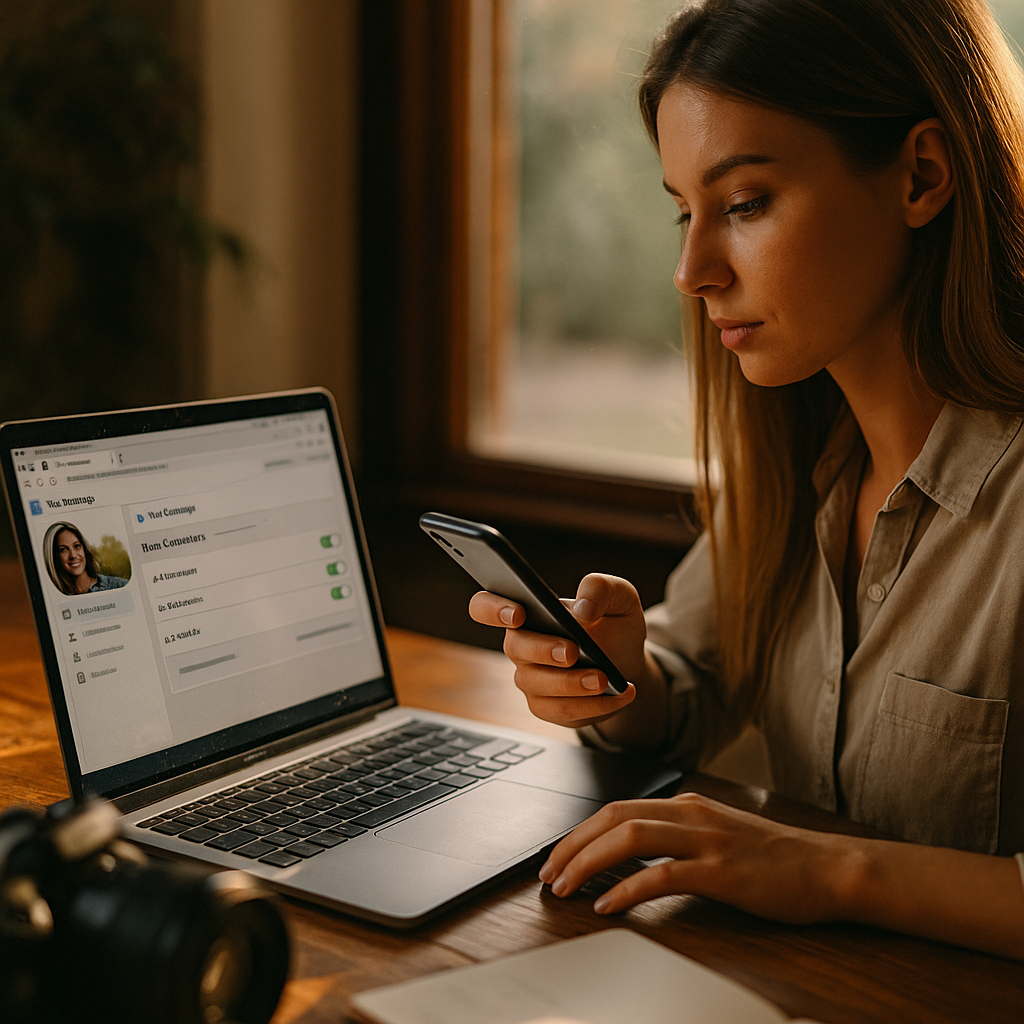
Looking to maximize your brand’s return on influencer marketing? Our guide to whitelisting influencer ads explains how to gain direct access to influencer audiences and supercharge campaign performance. Whitelisting can amplify your results—if you do it right. Read on to discover actionable steps, best practices, and key insights for a seamless whitelisting experience in 2025.
Understanding Whitelisting in Influencer Marketing
Whitelisting influencer ads involves an influencer granting a brand advertising access to their social media account. This allows brands to run paid ads from the influencer’s handle, targeting broader or highly specific audiences. Unlike standard branded content, whitelisted ads feel more organic and often achieve superior reach and engagement.
According to recent research by Influencer Marketing Hub, whitelisting can boost ad reach by up to 40% compared to traditional spon-con. By leveraging the influencer’s established trust, brands can tailor copy, creatives, and targeting, optimizing ROI and brand lift.
Key benefits include:
- Improved authenticity and relatability
- Extended targeting options via paid social tools
- Granular tracking and analytics
- Control over budget and creative direction
As the digital landscape matures in 2025, whitelisting remains a leading tactic for scaling influencer campaigns effectively.
How to Set Up Whitelisted Influencer Ads
Getting started with setting up whitelisted ads means aligning influencer, brand, and technical teams. Here’s a step-by-step process to ensure everything runs smoothly:
- Alignment: Verify your contract covers whitelisting permissions, usage, and creative approvals.
- Onboarding: Have the influencer grant access to their account via Facebook’s Business Manager, TikTok Creator Marketplace, or equivalent tools. Never ask for direct passwords—use platform-approved methods.
- Assets: Prepare ad creatives, copy, and targeting preferences. For paid partnerships, always comply with disclosure requirements.
- Launch: Set up campaigns in Ads Manager (Meta), TikTok Ads, or the relevant platform. Use the influencer’s handle when creating ads to boost authenticity.
- Optimization: Monitor performance metrics—engagement, conversions, CPM—and adjust budgets and creatives for best results.
Whitelisting is platform-specific. On Instagram and Facebook, this typically involves the Brand Collabs Manager. TikTok uses its Creator Marketplace. Choose creators aligned with your values and audience for maximum impact.
Best Practices for Whitelisted Ad Campaigns
Applying best practices for whitelisted influencer ads maximizes the value of your media spend and partnership. Focus on these essential tips:
- Full Transparency: Clearly define deliverables, campaign rights, and ad duration in your influencer contracts. Transparency reduces misunderstandings.
- Keep the Creator in the Loop: Share intended audience segments, budgets, and creative direction with your influencers before launch.
- Test Multiple Creatives: A/B test different visuals and captions. Influencer audiences respond best to authentic, relatable content.
- Use Advanced Targeting: Take advantage of lookalike audiences, retargeting, and geo-based targeting for enhanced reach.
- Respect Platform Guidelines: Always follow local ad disclosure laws, platform policies, and best practices for influencer campaigns.
- Analyze and Iterate: Use platform analytics and UTM tagging to track conversions and adjust your strategy based on real data.
The goal? Blend influencer authenticity with data-driven ad strategies for measurable results.
Common Challenges and How to Overcome Them
Addressing common whitelisting challenges is vital for campaign success. Some typical roadblocks include:
- Technical Setup Issues: Creators may have trouble navigating Business Manager or granting permissions. Offer step-by-step guides and real-time support to ease onboarding.
- Creative Control: Maintaining brand voice while honoring the creator’s authenticity can be tricky. Establish brand-safe guidelines and collaborate on creative iterations.
- Measurement Complexity: Attribution can be muddied by overlapping campaigns. Use dedicated landing pages, UTM codes, and platform-specific analytics tools to isolate results.
- Ad Fatigue: Overexposing influencer content with paid ads can cause audience fatigue. Limit campaign frequency and rotate creatives to maintain engagement.
- Privacy Concerns: Influencers may worry about access misuse. Ensure access is strictly limited to ad permissions and swiftly revoke access post-campaign.
Careful planning, clear communication, and robust measurement can resolve most issues before they impact your results.
Legal and Disclosure Considerations for Whitelisting Ads
Legal compliance and disclosure are non-negotiable in influencer advertising, especially as regulations evolve in 2025. The FTC and similar global authorities require clear identification of paid partnerships, even in whitelisted ads. Non-compliance can result in stiff penalties for brands and influencers alike.
- Ad Disclosure: Ensure whitelisted ads carry disclosure labels such as “Paid Partnership,” even if they’re highly native in appearance.
- Data Protection: Protect influencer account access by using official platform tools, not sharing passwords or sensitive personal data.
- Contract Clarity: Include clauses for whitelisting, campaign duration, content rights, edits, and termination protocols.
- Platform-Specific Rules: Stay current on Meta, TikTok, and other network’s updated advertising and disclosure rules as these change frequently.
Above all, prioritize ethical marketing and transparent communication to build trust with creators and their audiences.
Measuring the ROI of Whitelisted Influencer Campaigns
Quantifying the ROI of whitelisted influencer campaigns lets you justify spending and optimize future efforts. Thanks to advanced reporting tools in 2025, marketers now have access to granular influencer analytics.
- Key Metrics: Track reach, engagement, CPA, CPM, and conversions. Attribution tools can distinguish between organic and paid influencer results.
- Comparative Performance: Compare the effectiveness of whitelisted ads against standard brand and influencer content.
- Brand Lift Studies: Some platforms offer native brand lift analysis to measure changes in awareness or sentiment after campaigns.
- Incrementality: Test whitelisted campaigns in A/B settings to measure true lift versus non-paid influencer posts.
- Continuous Improvement: Use insights to refine influencer selection, creative direction, and budget allocations for future campaigns.
Robust measurement ensures every dollar invested delivers maximum value and learning for your marketing strategy.
FAQs: Whitelisting Influencer Ads
-
What is whitelisting in influencer marketing?
Whitelisting is when an influencer grants a brand advertising access to their social media profile, allowing the brand to run paid ads using the influencer’s handle. This makes branded content appear more authentic while unlocking advanced paid targeting options.
-
Is whitelisting safe for influencers?
Yes, when done via official platform tools (like Facebook’s Business Manager), whitelisting is safe. Influencers retain full control and can revoke access anytime without sharing passwords or giving full account access.
-
Do whitelisted ads need disclosure?
Absolutely. Both U.S. and international regulations require that all paid influencer content, including whitelisted ads, carries clear disclosure such as “Paid Partnership.”
-
Can you target a different audience with whitelisted ads?
Yes. Brands can use advanced paid social targeting features—interest, geo, lookalike audiences—to reach entirely new or very specific segments using the influencer’s handle and content.
-
What platforms support influencer whitelisting?
Currently, Meta (Facebook and Instagram) and TikTok officially support whitelisting. Other platforms may have different processes or limitations. Always confirm with your influencer and ad platform before setting up a campaign.
By mastering the guide to whitelisting influencer ads, you unlock the most authentic, targeted path to social media success. With proper setup, clear guidelines, and robust measurement, you’ll amplify your brand’s impact—making influencer partnerships a cornerstone of your 2025 marketing strategy.